

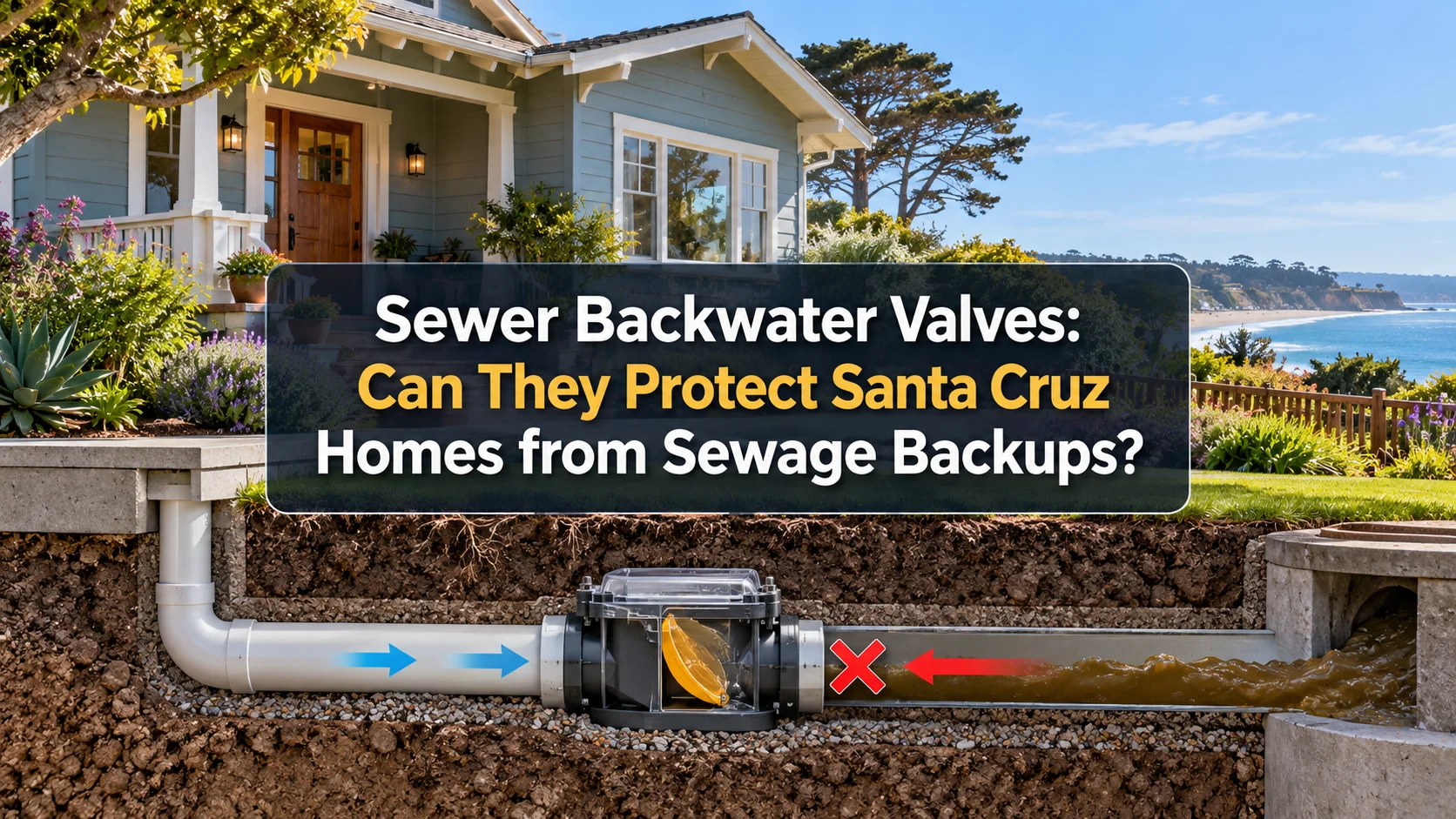
Sewer Backwater Valves: Can They Protect Santa Cruz Homes from Sewage Backups?
Seeing wastewater rise through a shower drain, floor drain, or toilet can be alarming. A sewer backup can damage floors, walls, and belongings, while contaminated areas may require professional cleanup. These backups occur when wastewater cannot flow away from the property as intended, often because of a blockage or reverse flow from a downstream sewer line. Homes with low-lying plumbing fixtures or certain sewer connection layouts may face additional risks.
For some homeowners in Santa Cruz County, a sewer backwater valve can help reduce the risk of wastewater flowing backward into the home. However, these devices are not suitable for every plumbing system and cannot prevent every type of backup. Understanding how they work, where they should be installed, and when they are beneficial can help homeowners make informed decisions.
What Is a Sewer Backwater Valve and How Does It Work?
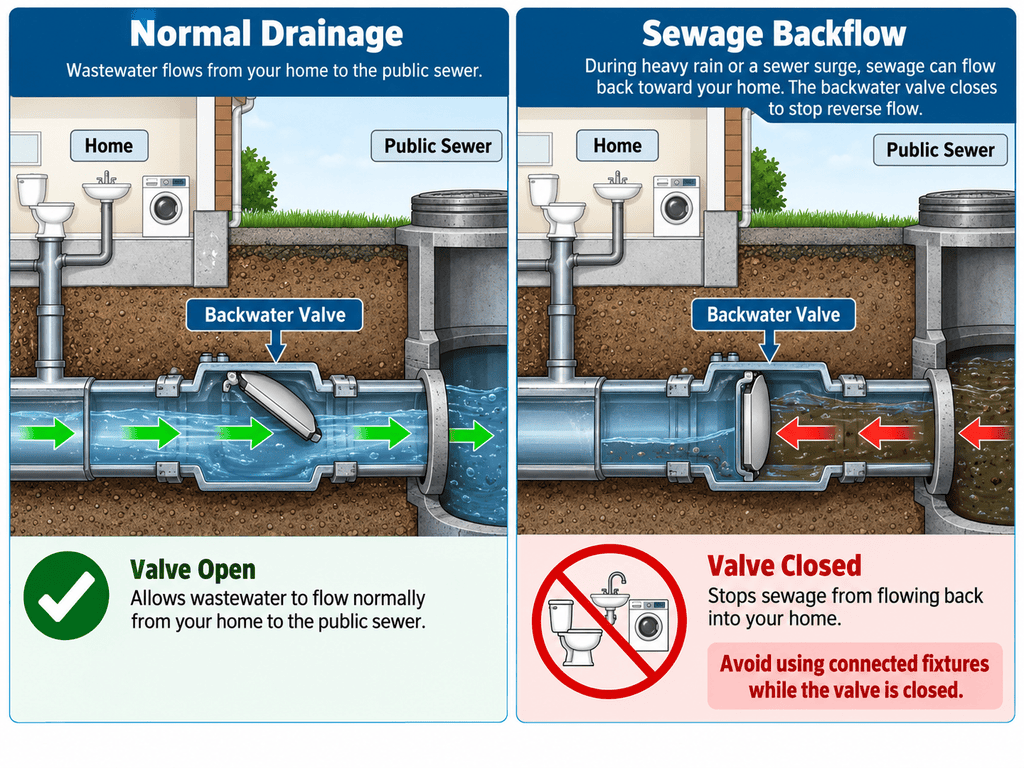
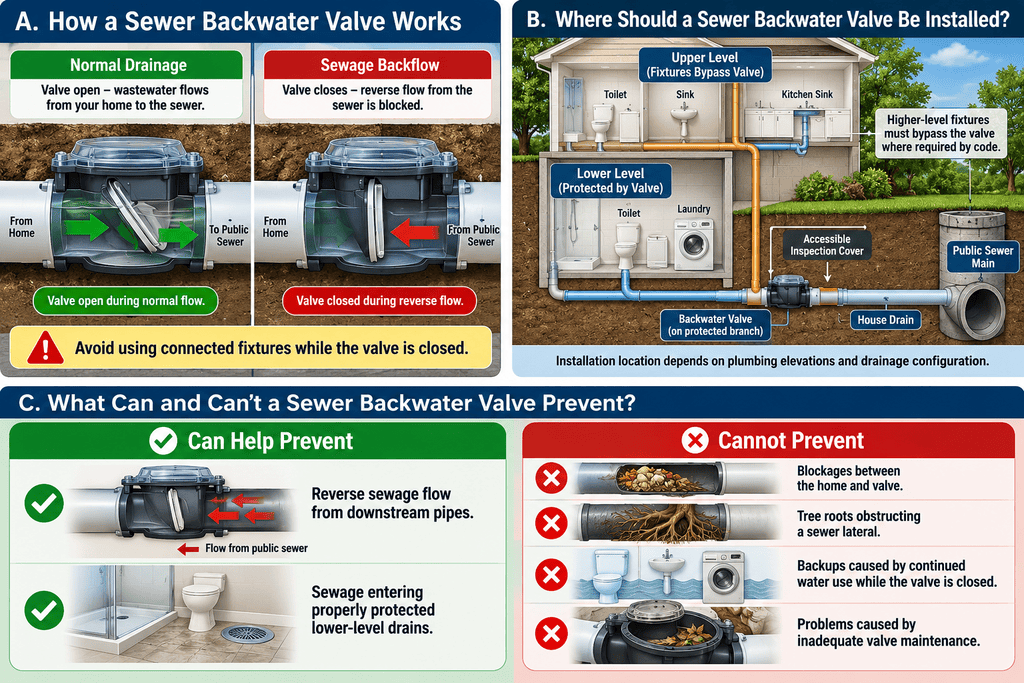
A sewer backwater valve is a one-way plumbing device designed to prevent wastewater from flowing backward through a protected drainage line and entering a building. It is installed at a suitable point in the drainage system and contains a mechanical flap or gate that responds to the direction of wastewater flow.
How the Valve Works During Normal Drainage
When household plumbing operates normally, wastewater from toilets, sinks, showers, and other fixtures travels through the drainage pipes toward the public sewer or another approved disposal system.
As wastewater moves in the intended direction, the valve’s internal flap or gate opens to allow it to pass. Once the flow stops, the mechanism returns to its normal position, ready to respond if wastewater begins moving backward.
What Happens When Sewage Starts Flowing Backward?
If wastewater begins flowing backward from a downstream sewer line, the reverse flow pushes the valve mechanism closed. This creates a barrier that helps prevent sewage from entering the protected drainage system.
However, while the valve remains closed, household wastewater cannot discharge normally through that line. Continuing to use connected plumbing fixtures may cause wastewater to accumulate and potentially back up inside the home.
What Causes Sewage Backups in Santa Cruz County Homes?
Sewage backups can occur when wastewater encounters an obstruction or flows backward from a downstream sewer line. Understanding the cause is essential for choosing the right solution.
Blockages in Private Sewer Laterals
A private sewer lateral carries wastewater from a property toward the public sewer. Tree roots can enter cracked or separated pipes, while grease, debris, and nonflushable materials may gradually restrict drainage. Aging pipes can also deteriorate, shift, or develop alignment problems that obstruct wastewater flow.
These issues can cause sewage to back up inside a home even when the public sewer operates normally.
Problems in the Public Sewer System
Blockages or unusually high wastewater levels in a public sewer main can force sewage backward toward connected properties. Homes with lower-level plumbing fixtures may be particularly vulnerable to this reverse flow.
Heavy Rainfall and Sewer System Conditions
During Santa Cruz County’s rainy season, rainwater can enter sanitary sewers through damaged pipes, leaking joints, or improper drainage connections. This additional water may increase wastewater flows and contribute to backup conditions in affected sewer systems.
A sewer backwater valve may help prevent sewage from flowing backward from downstream pipes. However, it cannot remove tree roots, clear existing blockages, or repair damaged sewer laterals.
Which Santa Cruz County Homes May Benefit From a Sewer Backwater Valve?
Not every home needs a sewer backwater valve. Its usefulness depends on the property’s plumbing layout, fixture elevations, and potential sources of sewage backups.
Homes With Low-Lying Plumbing Fixtures
Homes with bathrooms, showers, laundry fixtures, or floor drains located below the relevant upstream sewer manhole elevation may face greater exposure to reverse wastewater flow. Under certain conditions, sewage can travel backward through connected drainage pipes and enter these lower-level fixtures.
Properties With a History of Sewage Backups
Homeowners who have experienced sewage backups should consider having their sewer connections evaluated. However, a previous backup does not automatically mean a backwater valve is necessary. A plumber must first determine whether the problem resulted from a private sewer lateral blockage or reverse flow from a downstream sewer.
Older Homes and Properties With Modified Plumbing
Older sewer connections, renovations, and newly installed lower-level plumbing fixtures may warrant a review of existing sewer protection. Multifamily properties and buildings with shared drainage systems can require more detailed assessments.
For homeowners in Santa Cruz, Watsonville, Aptos, Scotts Valley, Capitola, and Soquel, the need for a backwater valve depends on individual property conditions rather than location alone.
Where Is a Sewer Backwater Valve Installed?
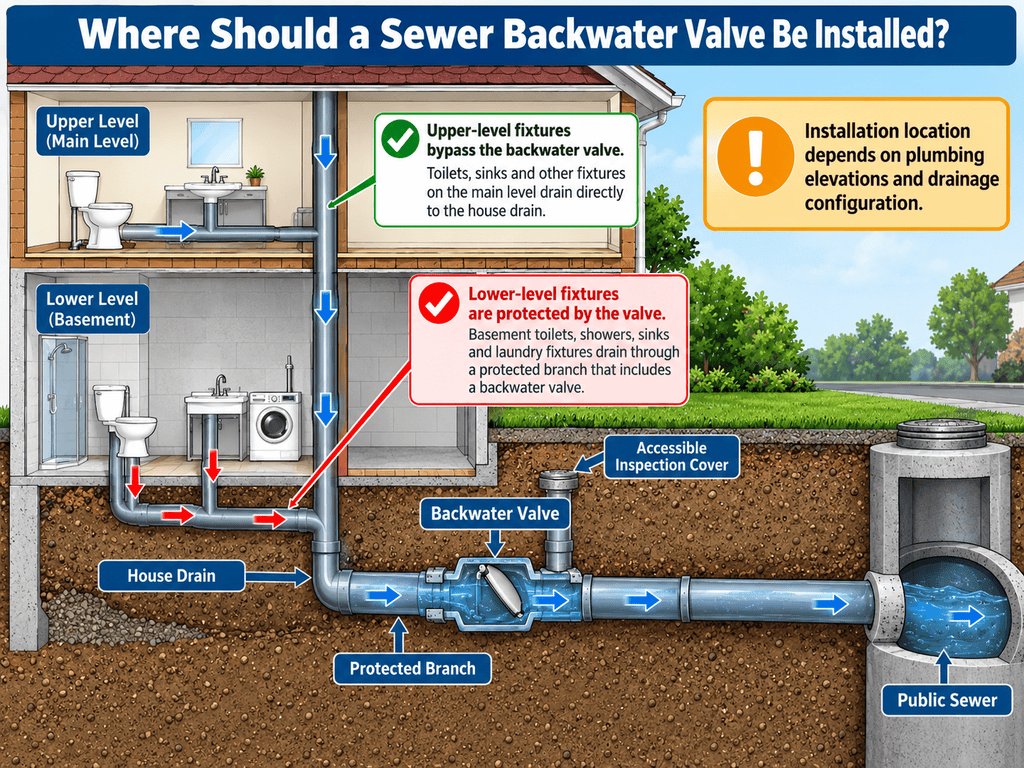
A sewer backwater valve must be installed where it can protect the intended plumbing fixtures from sewage flowing backward through the drainage system. Depending on the property’s layout, this may be on a suitable section of the private sewer lateral or on a separate drain branch serving fixtures that need protection.
Placement depends on how the home’s drainage pipes connect, which fixtures share those pipes, and their elevations relative to the next upstream sewer manhole. A valve installed in the wrong location may leave vulnerable fixtures unprotected or interfere with normal wastewater drainage.
Some installations place the valve outdoors along the building sewer, often inside an accessible inspection chamber. Others may require installation within or beneath the building. In either case, the access cover must remain reachable so the mechanism can be inspected, cleaned, and repaired.
Under California Plumbing Code Section 710.1, fixtures above the relevant upstream manhole elevation must not discharge through a backwater valve. For this reason, a plumber should assess the drainage arrangement rather than automatically installing a valve on the home’s entire main sewer line.
Are Sewer Backwater Valves Required in Santa Cruz County?
Whether a home needs sewer backflow protection depends on its elevation, drainage configuration, and applicable local regulations. Not every property in Santa Cruz County has the same requirements.
What California Plumbing Regulations Say
The 2025 California Plumbing Code, effective January 1, 2026, addresses drainage fixtures located below the next upstream sewer manhole or main sewer level under Section 710.
The code requires appropriate protection against sewage backflow in specified situations. Fixture elevations, drainage pipe arrangements, and approved protective devices determine which measures are necessary.
Santa Cruz County Sewer Protection Requirements
According to Santa Cruz County’s sanitation guidance, property owners are responsible for installing and maintaining an overflow or backflow protective device on their sewer lateral when a building’s lowest floor elevation is less than one foot above the rim of the nearest upstream manhole.
This requirement does not mean every home needs the same type of valve. The appropriate protection depends on the property’s elevation and sewer configuration.
Permits and Local Sewer Authority Requirements
Sewer services in Santa Cruz County are managed by different agencies, including county sanitation districts and city-operated systems. Installation approvals, permits, and inspection requirements may therefore vary.
Before installing a backwater valve, homeowners should confirm applicable requirements with their local sewer authority and building department.
Can a Sewer Backwater Valve Prevent Every Sewage Backup?
A properly selected, installed, and maintained sewer backwater valve can reduce the risk of sewage flowing backward into a home. However, it cannot prevent every type of sewage backup or replace regular sewer line maintenance.
Understanding its limitations is important:
- Blockages before the valve: If a blockage develops between the home and the backwater valve, wastewater may still back up through household drains because it cannot flow past the obstruction.
- Tree-root intrusion: Roots entering cracked or damaged sewer pipes can restrict wastewater flow. A backwater valve cannot remove roots or repair deteriorating pipes.
- Poor valve maintenance: Grease, debris, and other materials can interfere with the valve mechanism, preventing it from opening or closing properly.
- Water use while the valve is closed: Flushing toilets, running showers, or operating washing machines can cause wastewater to accumulate inside the protected drainage system when the valve is closed.
A backwater valve works best as part of a broader sewer maintenance strategy that includes inspections, drain cleaning, and necessary pipe repairs.
Identifying the actual cause of a sewage backup is essential before deciding whether installing a backwater valve is the appropriate solution.
What Should Homeowners Expect During Backwater Valve Installation?
Installing a sewer backwater valve requires evaluating the property’s drainage system to determine whether the device is appropriate and where it should be placed. The process typically involves several steps.
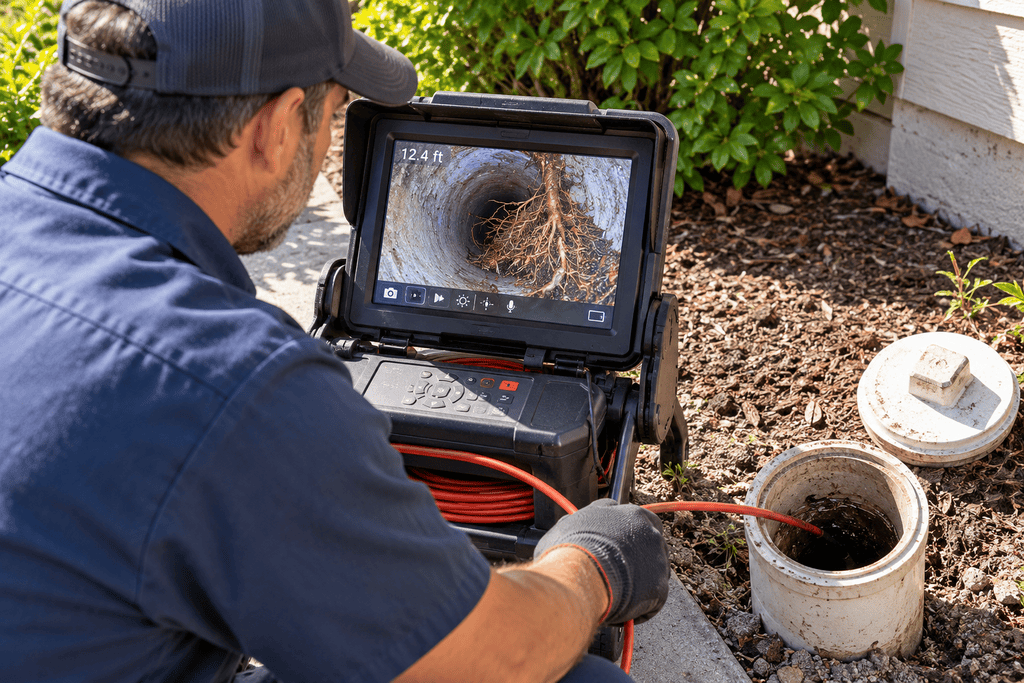
- Inspect the sewer system: A plumber examines the building drain and private sewer lateral to understand the pipe layout and identify existing problems. A sewer camera inspection may be recommended to check for blockages or damage.
- Check plumbing elevations: The plumber evaluates the position of lower-level fixtures relative to the upstream sewer manhole to determine which drains may require protection.
- Select the appropriate valve: An approved device is chosen based on pipe diameter, drainage configuration, and applicable plumbing requirements.
- Determine the installation location: The plumber identifies an accessible location and assesses whether excavation, pipe modifications, or an inspection chamber will be necessary.
- Install and verify the valve: Installation follows applicable permit and inspection requirements. The plumber checks the valve’s operation and confirms that maintenance access remains available.
Some installations are relatively straightforward, while others require excavation or extensive plumbing modifications. The scope of work depends on the property’s existing drainage system and accessibility.
How Often Should a Sewer Backwater Valve Be Inspected and Maintained?
A sewer backwater valve needs regular inspection and maintenance to function properly. Because problems with the valve may go unnoticed until sewage begins flowing backward, homeowners should not wait for a backup before checking its condition.
Routine Inspection and Cleaning
An annual inspection is a reasonable starting point, although the manufacturer or local sewer authority may recommend more frequent maintenance.
Routine maintenance should include:
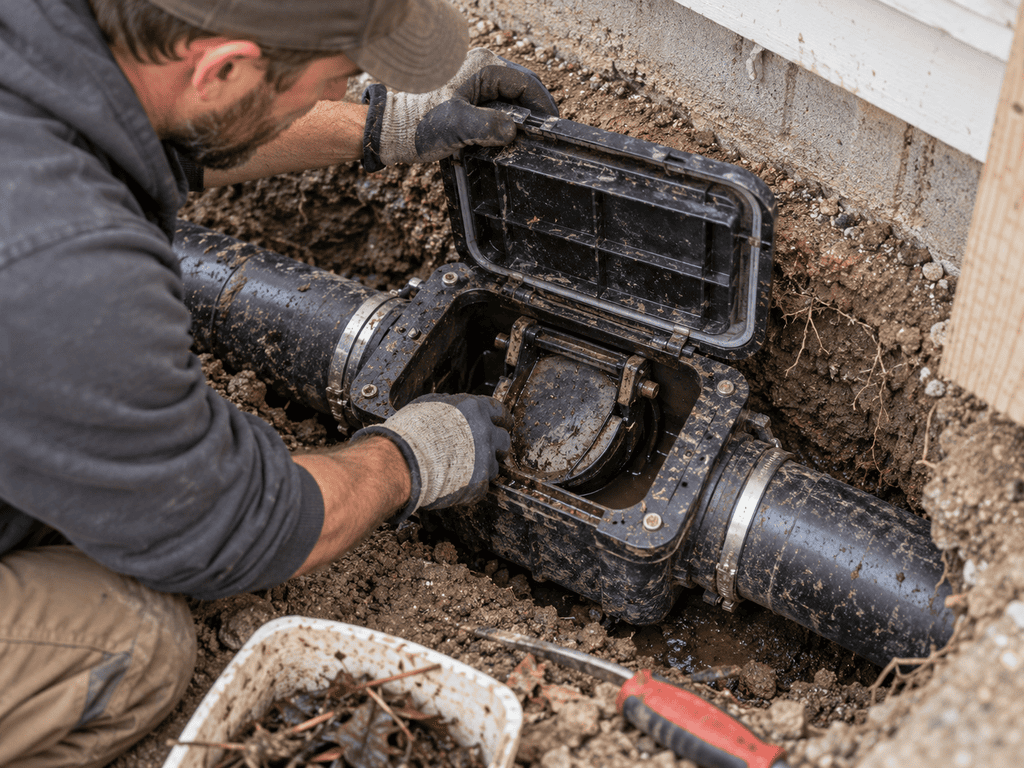
- Removing grease, sediment, and debris that could interfere with the internal flap or gate.
- Checking that the valve mechanism moves freely and closes properly.
- Examining accessible seals, covers, and surrounding components for cracks, wear, or damage.
- Keeping the inspection cover accessible and free from obstructions.
Specific cleaning and maintenance procedures depend on the valve’s design and manufacturer’s instructions.
Signs the Valve May Need Professional Attention
Recurring drainage problems, visible damage, a sticking valve mechanism, or a previous sewage backup may indicate the need for professional inspection.
A sewer snake should never be pushed through a backwater valve as though it were an ordinary cleanout, as this could damage its internal components.
What Else Can Santa Cruz Homeowners Do to Reduce Sewage Backup Risks?
While sewer backwater valves provide protection against certain types of reverse flow, preventive maintenance can also help reduce sewage backup risks. Santa Cruz County homeowners should pay attention to the condition of their private sewer laterals and household drainage systems.
Keep Sewer Laterals in Good Condition
Recurring blockages, tree-root intrusion, damaged pipes, and drainage problems should be investigated promptly. A sewer camera inspection can help identify cracks, root growth, pipe misalignment, and other conditions that may restrict wastewater flow. Necessary sewer line repairs can address problems before they worsen.
Prevent Avoidable Drain and Sewer Blockages
Never pour cooking grease or oil down household drains. Dispose of wipes, paper towels, hygiene products, and other nonflushable materials in the trash. Professional drain cleaning may be necessary when buildup restricts wastewater flow.
Respond Promptly to Warning Signs
Repeated slow drainage across multiple fixtures, wastewater rising unexpectedly in drains, or previous sewage backups warrant professional attention.
Santa Cruz County property owners are responsible for maintaining their private sewer laterals. Regular inspections, appropriate maintenance, and timely repairs can help reduce preventable problems, although no maintenance approach can eliminate every sewage backup risk.
Protecting Your Home Starts With Understanding Your Sewer System
Sewer backwater valves can help protect homes from certain reverse-flow sewage backups, particularly when plumbing elevations or sewer conditions increase the risk. However, effective protection depends on proper valve selection, correct installation, accessible placement, and regular maintenance.
Sewer line inspections and timely repairs are equally important, as a backwater valve cannot resolve existing blockages or damaged pipes.
If you’ve experienced sewage backups or are unsure whether your home needs additional protection, contact Anytime Plumbing at 831-431-6593. Our team serves homeowners throughout Santa Cruz County and can help assess sewer drainage concerns and recommend appropriate next steps.
Frequently Asked Questions
No. The need for a sewer backwater valve depends on the property's plumbing elevations, sewer connection, and applicable local regulations. Homes with fixtures below certain sewer elevations may require protection. A professional plumbing assessment can help determine whether a valve is necessary or advisable for your property.
Yes, a properly installed backwater valve can help prevent sewage from rising through a protected shower drain when wastewater flows backward from downstream pipes. However, it cannot prevent backups caused by blockages between the shower and the valve. Identifying the source of the backup is essential.
Yes. Tree roots can enter cracked or separated sewer pipes, restricting wastewater flow and causing backups within the home's drainage system. A backwater valve cannot remove these obstructions. A sewer camera inspection can help locate root intrusion and determine whether cleaning or pipe repairs are necessary.
When the valve closes, wastewater cannot flow through the protected drainage line. Continuing to flush toilets, run showers, or use washing machines may cause wastewater to accumulate and back up into the home. Avoid using affected plumbing fixtures until the valve reopens and normal drainage is restored.
Some backwater valves have accessible inspection covers located near the building sewer, either indoors or outdoors. However, not every sewer cleanout contains a backwater valve. A licensed plumber can examine your drainage system, identify whether a valve is installed, and inspect its condition and operation.