

Apartment and HOA Plumbing Walkthrough Before Winter: What Property Managers Should Inspect
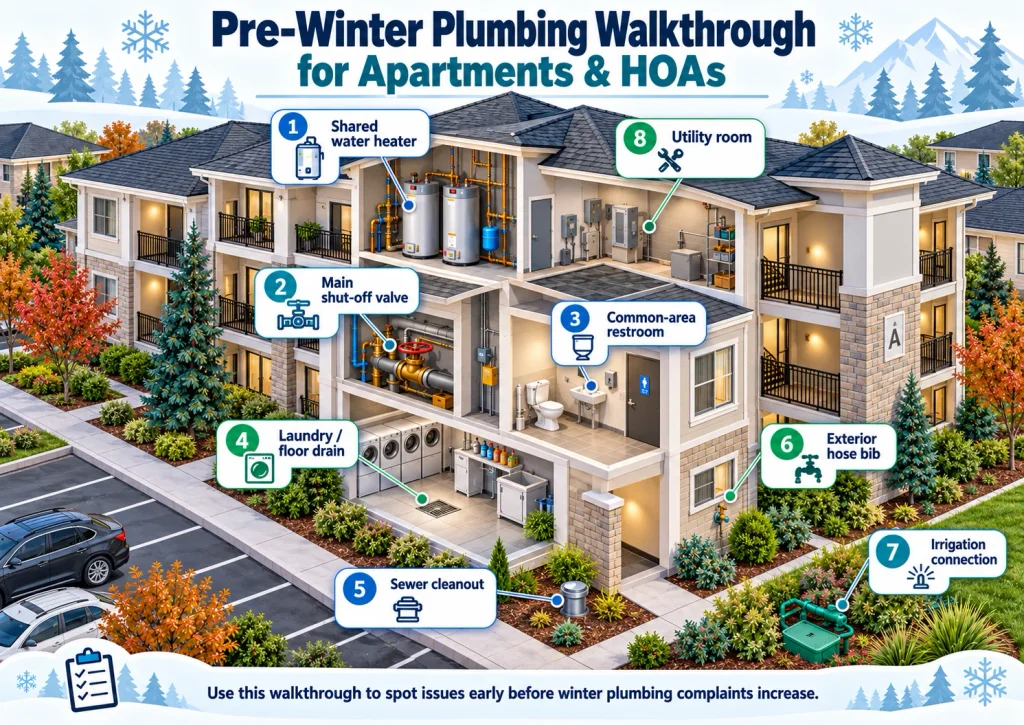
Winter weather can bring more plumbing complaints to apartments, condos, and HOA-managed properties, especially when wetter conditions put extra attention on shared systems. A short preventive walkthrough can help property managers spot small issues before they become tenant complaints, water interruptions, drain backups, hot-water problems, common-area leaks, or difficult emergency shutoffs.
Because multi-unit properties rely on shared plumbing components, one overlooked problem can sometimes affect several residents at once. Regular apartment plumbing maintenance and HOA plumbing maintenance give managers a chance to identify visible concerns and improve access to important plumbing areas before winter conditions arrive.
This guide provides a practical property management plumbing checklist for reviewing shared systems as part of routine winter plumbing maintenance.
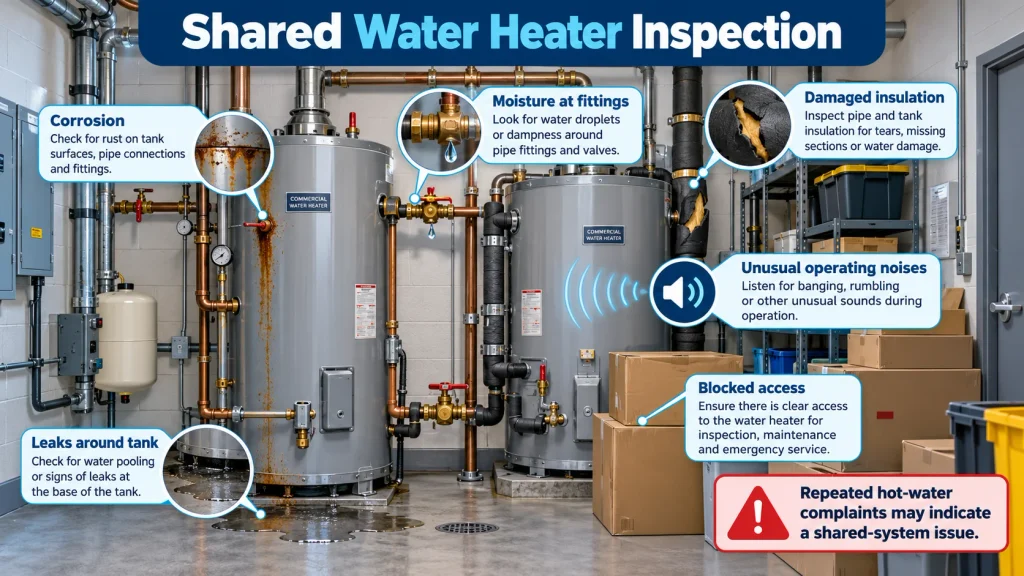
Check Shared Water Heaters Before Winter Demand Increases
Shared or centralized water heaters deserve extra attention before winter because a problem can affect multiple units at the same time. Property managers should include these systems in routine apartment plumbing maintenance and look for visible signs that service may be needed.
Check for:
- Water leaking around the tank.
- Corrosion on the tank or fittings.
- Moisture around visible connections.
- Unusual noises during operation.
- Repeated complaints about inconsistent hot water.
- Damaged or missing insulation.
- Storage or other items blocking access to the unit.
Colder weather can make hot-water issues more noticeable as residents rely on the system more heavily. Regular commercial water heater maintenance can help identify visible wear or performance concerns before they develop into a larger service problem.
For water heater maintenance in an apartment building, repeated temperature complaints, leaks, or unusual operating symptoms should be professionally diagnosed rather than handled through guesswork or temporary adjustments.
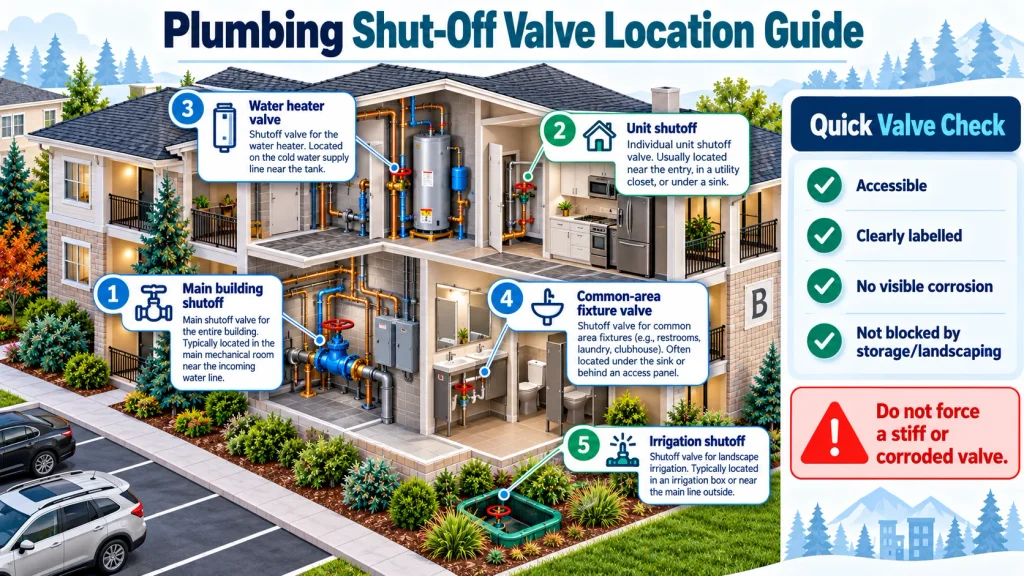
Make Sure Plumbing Shut-Off Valves Can Be Reached Quickly
In multi-unit properties, quick access to shut-off valves can make a major difference when a leak develops. Property managers should know where the main building shut-off is located, along with unit-level shut-offs, water heater valves, common-area fixture shut-offs, and irrigation shut-offs where applicable.
During a plumbing shut off valve inspection, check for:
- Stored items blocking access.
- Missing or unclear labels.
- Visible corrosion.
- Valves that are difficult to identify.
- Landscaping covering exterior shut-offs.
Clear labeling and easy access can help maintenance teams respond faster during a plumbing problem and reduce confusion across larger apartment building plumbing systems.
As part of routine property management plumbing, avoid forcing a stiff or corroded valve. If a shut-off does not operate normally or appears damaged, have it inspected by a qualified plumber.
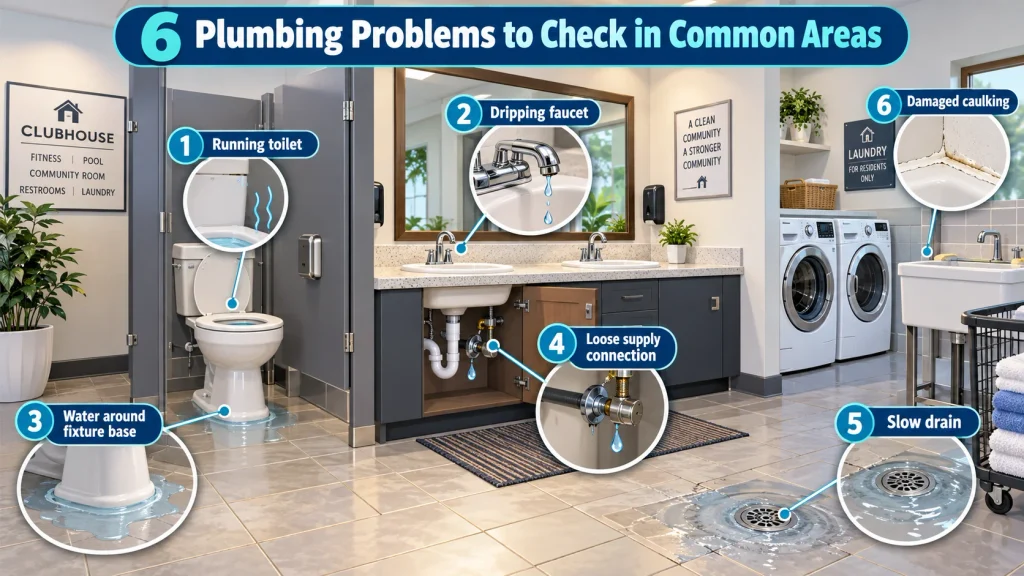
Inspect Common-Area Fixtures for Small Leaks and Running Water
Shared restrooms, laundry rooms, clubhouses, offices, and other common spaces should be included in any routine apartment plumbing inspection. Because these areas are used by many people, small issues can sometimes go unreported for longer than they would inside a private unit.
During the walkthrough, look for:
- Running toilets.
- Loose handles.
- Dripping faucets.
- Water around fixture bases.
- Slow drainage.
- Unusual odors.
- Loose visible supply connections.
- Damaged caulking around plumbing fixtures.
These may seem like minor concerns, but repeated leaks or running fixtures can point to problems that deserve closer attention.
As part of regular commercial plumbing maintenance, property managers should also keep notes on fixtures that need frequent adjustments or repeated service. A recurring issue is usually more useful to investigate properly than to keep relying on temporary fixes.
Review Shared Drains Before Winter Complaints Increase
Shared drains in laundry rooms, common kitchens, restrooms, utility areas, floor drains, and exterior plumbing areas should be part of routine apartment drain maintenance before winter.
During the walkthrough, watch for:
- Slow drainage.
- Gurgling sounds.
- Recurring backups.
- Unpleasant drain odors.
- Standing water.
- Debris collecting around floor drains.
One slow drain may be a localized issue, but several drains slowing down at the same time can point to a broader problem within the building’s drainage system. That is why commercial drain maintenance is most useful when property managers identify recurring patterns early instead of waiting for a full backup.
As part of regular apartment plumbing maintenance, keep notes on where drainage problems occur and how often they return. Repeated backups or multiple affected drains should be professionally inspected rather than managed with repeated temporary fixes.
Locate and Clear Access to Plumbing Cleanouts
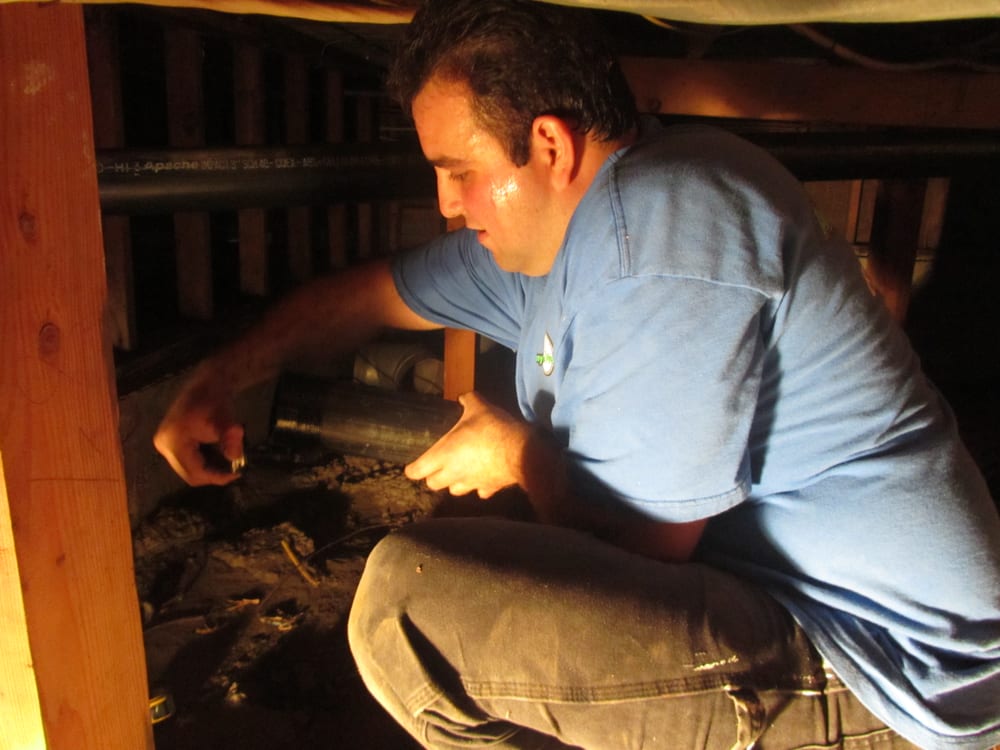
Plumbing cleanouts provide access points to drain and sewer lines when a plumber needs to inspect or clear a blockage. As part of routine HOA plumbing maintenance or commercial plumbing preventative maintenance, property managers should make sure these access points are easy to find.
During a plumbing cleanout inspection, check that:
- Interior cleanouts are not blocked by storage.
- Exterior cleanouts are not buried under soil or landscaping.
- Caps appear intact and securely in place.
- Maintenance staff know where the main cleanouts are located.
- Access paths remain clear.
In a multi-unit property, quick access to a cleanout can make professional diagnosis easier if a backup affects several units or common areas. If sewage backup is suspected, avoid opening the cleanout yourself and contact a plumber for inspection.
Check Exterior Plumbing Around the Property
Before wetter winter weather arrives, property managers should include visible exterior plumbing in routine winter plumbing maintenance. Check hose bibs, irrigation connections, exposed supply lines, exterior shut-off valves, drains, utility areas, and plumbing near landscaping.
Look for:
- Visible leaks.
- Corrosion.
- Damaged or exposed piping.
- Loose fittings.
- Standing water.
- Vegetation blocking access.
- Leaves or debris around drains.
For Santa Cruz properties, the main concern is often wet-weather readiness rather than extreme freezing conditions. As part of regular commercial plumbing maintenance, make sure exterior plumbing areas stay accessible and that water is not repeatedly collecting around visible pipes or valves.
Unexplained standing water near plumbing should be investigated, especially if it returns after each rain or appears close to a supply or drain line.
Use Tenant Reports to Spot Building-Wide Plumbing Problems
Maintenance requests can reveal patterns that a routine walkthrough may not catch. As part of property management plumbing, review recent tenant complaints for repeated issues such as:
- Low water pressure.
- Inconsistent hot water.
- Slow drains.
- Running toilets.
- Sewer odors.
- Leaks.
- Water discoloration.
- Recurring backups.
If several residents in different units report the same problem, the issue may involve a shared plumbing component rather than a single fixture.
Keeping simple maintenance records can make apartment plumbing maintenance more effective by showing which problems return, where they occur, and how often they affect residents. This information can help property managers decide when a broader plumbing inspection is warranted instead of treating every complaint as an isolated issue.
Pre-Winter Plumbing Checklist for Property Managers
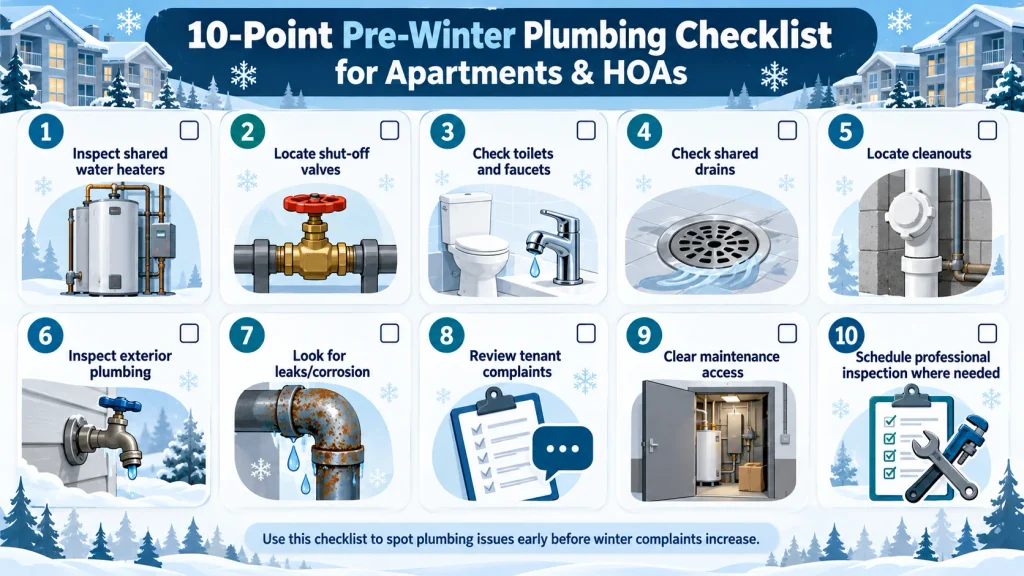
Before winter weather brings more plumbing complaints, property managers and HOA boards can use this quick checklist:
- Check shared water heaters.
- Locate main and local shut-off valves.
- Inspect common-area toilets and faucets.
- Check floor drains and other shared drains.
- Confirm plumbing cleanouts are accessible.
- Inspect visible exterior plumbing.
- Look for leaks, corrosion, or damaged components.
- Review recurring tenant plumbing complaints.
- Make sure utility and maintenance areas remain accessible.
- Schedule a professional plumbing inspection for unresolved or recurring problems.
Schedule a Pre-Winter Plumbing Check for Your Santa Cruz Property
Apartment property managers, HOA boards, condo communities, multi-unit property owners, and commercial building managers can contact Anytime Plumbing for commercial plumbing maintenance before winter. Our team can help assess shared water heaters, drains, shut-off valves, plumbing leaks, cleanouts, and common-area plumbing concerns. For property management plumbing support from a local Santa Cruz plumber, call 831-431-6593 to schedule an inspection.
Frequently Asked Questions
Routine visual checks can be included in regular property maintenance. The need for a professional inspection depends on factors such as building age, plumbing condition, previous repairs, and whether the property has recurring leaks, backups, or hot-water problems.
Priority issues include shared water heater concerns, slow drains, leaking fixtures, inaccessible shut-off valves, blocked cleanout access, and repeated tenant complaints involving pressure, hot water, sewer odors, or drainage problems.
An HOA should contact a plumber for recurring drain backups, suspected pipe leaks, failing water heaters, sewer odors, multiple slow drains, or plumbing problems affecting several units or common areas.