

Inspecting the Damage: Why a Sewer Camera Inspection After Winter Storms Is Essential
Winter storms in Santa Cruz bring heavy rainfall, saturated soil, and powerful runoff that can quietly impact underground plumbing systems. While surface flooding often gets the most attention, the real damage frequently happens below ground, where shifting soil and excess water place added stress on sewer lines.
A sewer camera inspection allows homeowners to see what’s happening inside their pipes after severe weather. Cracks, minor collapses, sediment buildup, and early-stage blockages can form without any immediate warning signs inside the home. Because these issues develop out of sight, they often go unnoticed until they escalate into backups or costly repairs.
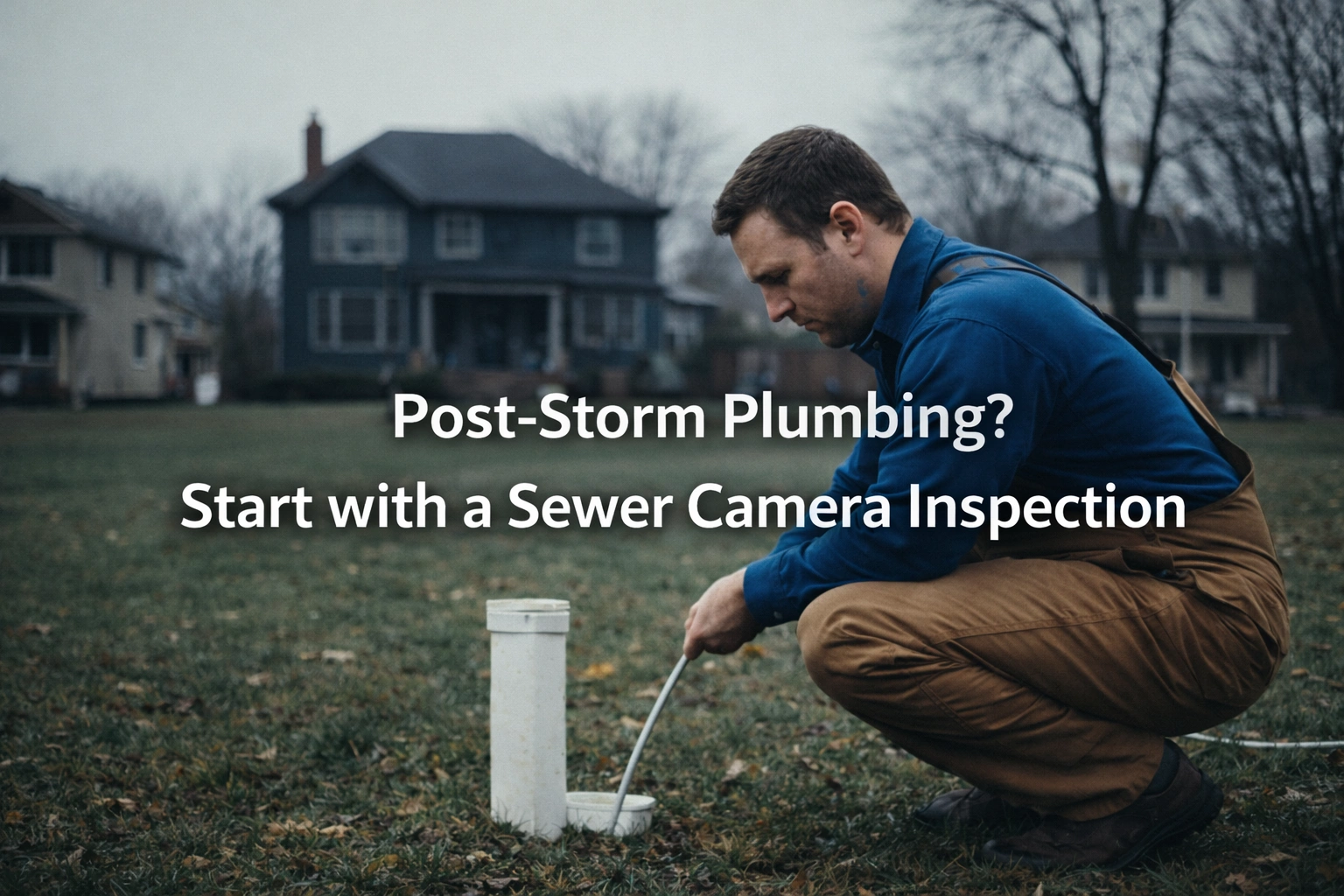
Scheduling a sewer line inspection after winter storms is a proactive way to identify hidden damage early. Rather than waiting for drains to slow or sewage to back up, an inspection focuses on detection and prevention—helping homeowners understand the condition of their sewer system before small problems turn into plumbing emergencies.
How Winter Storms Impact Underground Sewer Lines
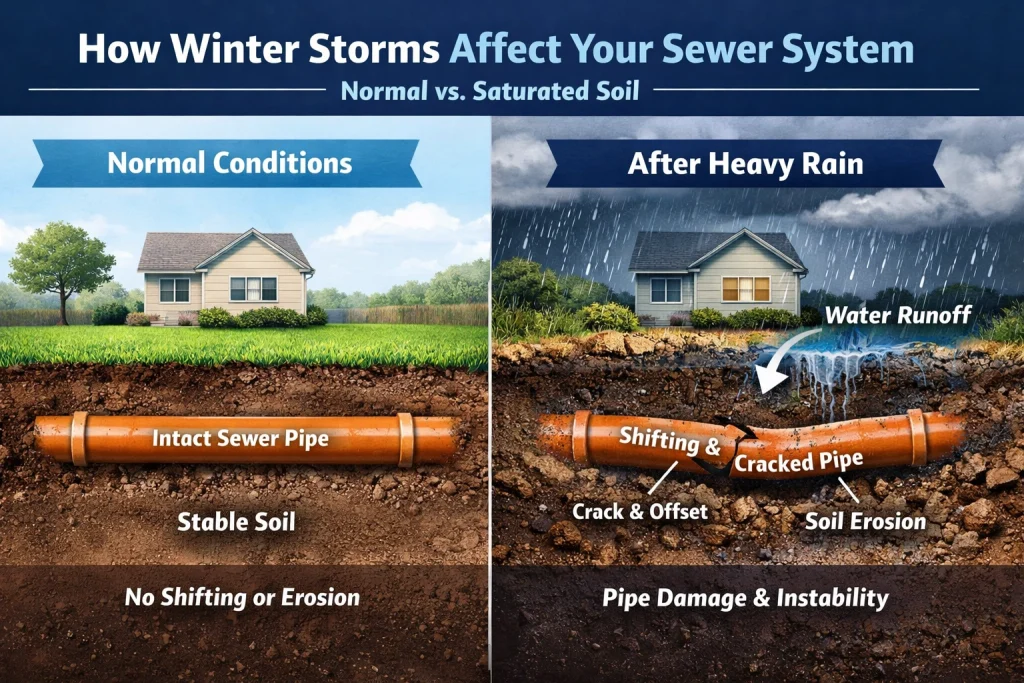
Heavy winter rainfall can significantly affect underground sewer systems, especially in areas like Santa Cruz where prolonged storms lead to saturated soil conditions. As the ground absorbs excess water, it becomes unstable, increasing the likelihood of soil shifting and erosion around buried sewer pipes.
Over time, this movement places added stress on aging infrastructure. Older sewer lines, particularly those made from clay or cast iron, are more vulnerable to cracking, joint separation, or partial collapse when the surrounding soil shifts. A sewer pipe inspection is often the only way to detect these early signs of damage, as they occur below the surface and rarely show immediate symptoms indoors.
One of the challenges homeowners face is that storm-related sewer damage doesn’t always cause instant problems. Pipes may remain partially functional while small fractures or misalignments slowly worsen. This delayed impact is why a sewer line inspection after severe weather is important—it helps identify hidden structural issues before they develop into blockages, backups, or emergency repairs.
What a Sewer Camera Inspection Actually Checks
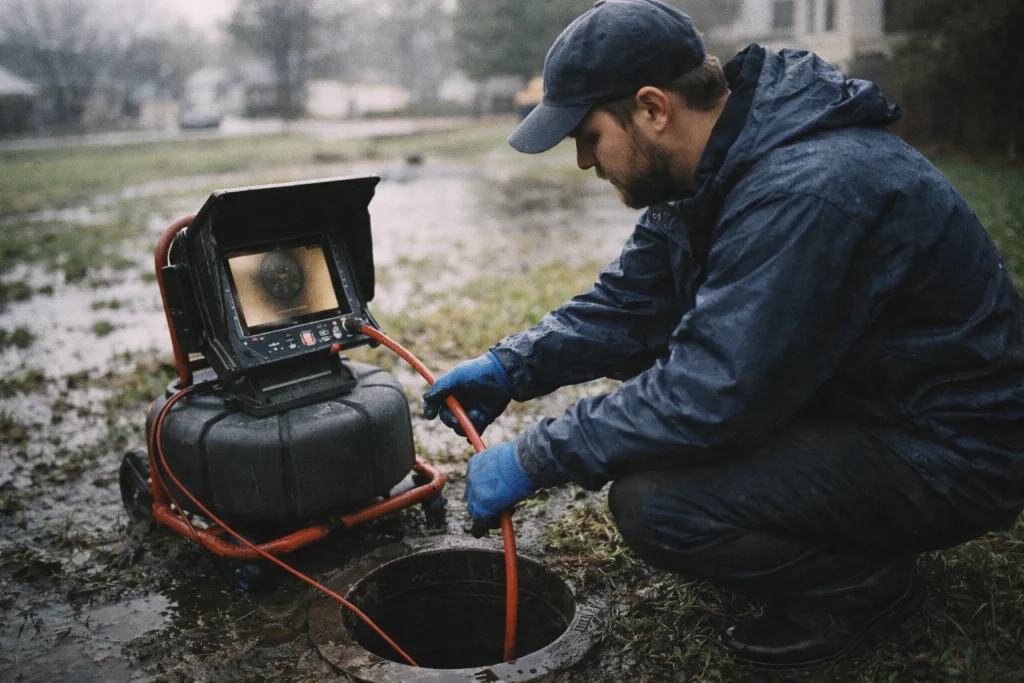
A sewer camera inspection is a non-invasive way to examine the condition of underground pipes without digging or disruption. During the inspection, a small waterproof camera is guided through the sewer line, transmitting real-time footage of the pipe’s interior. This allows issues caused by winter storms to be identified visually rather than guessed based on surface symptoms.
Through a sewer video inspection, plumbers can assess how water, debris, and soil movement have affected the system. The camera travels the full length of the pipe, revealing areas where sediment has accumulated, joints have shifted, or the pipe structure has weakened due to excess moisture and ground movement.
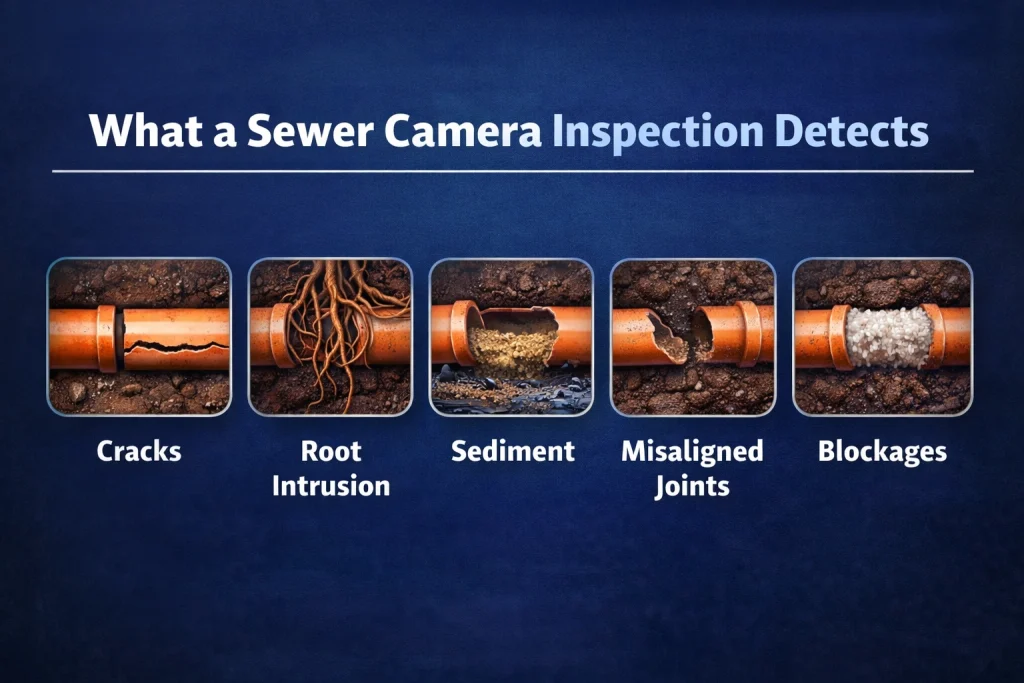
A drain camera inspection also helps pinpoint specific problems such as hairline cracks, partial blockages, root intrusion, or pipe misalignment. Because the footage provides a clear view of the interior condition, it becomes easier to understand whether the damage is minor and manageable or likely to worsen if left unaddressed. This clarity is especially valuable after winter storms, when sewer issues often develop out of sight.
Common Sewer Problems Found After Heavy Rain
- Collapsed or cracked pipes: Excess groundwater and soil movement can weaken aging sewer lines, leading to cracks or partial collapses that are often only discovered during a sewer pipe inspection.
- Debris buildup after storms: Heavy rainfall can wash sediment, mud, and organic debris into sewer lines, where it settles and restricts proper water flow.
- Tree root intrusion: Increased moisture in the soil encourages aggressive root growth, allowing roots to enter small pipe joints or fractures identified through a plumbing camera inspection.
- Partial blockages vs. full backups: Storm-related damage often begins as a minor obstruction that slows drainage before developing into a complete blockage or sewage backup if left unchecked.
Why Sewer Line Inspections Matter Even If Drains Seem Fine
Many sewer issues caused by winter storms don’t create immediate symptoms inside the home. Small cracks, slight pipe shifts, or early sediment buildup can develop slowly, allowing wastewater to continue flowing while the damage quietly worsens underground. This gradual progression is why problems often go unnoticed without a sewer line inspection.
In many cases, sewer backups occur weeks after heavy rainfall has ended. As debris accumulates or soil continues to settle, partially damaged pipes can suddenly fail or become fully blocked. A sewer video inspection makes it possible to identify these hidden issues early, before slow deterioration turns into an unexpected plumbing emergency.
Early detection offers clear advantages. Identifying minor defects through inspection allows homeowners to address concerns proactively, reduce the risk of sudden backups, and avoid the disruption and expense associated with emergency sewer repairs—all while drains may still appear to be working normally.
When to Schedule a Sewer Camera Inspection After a Storm
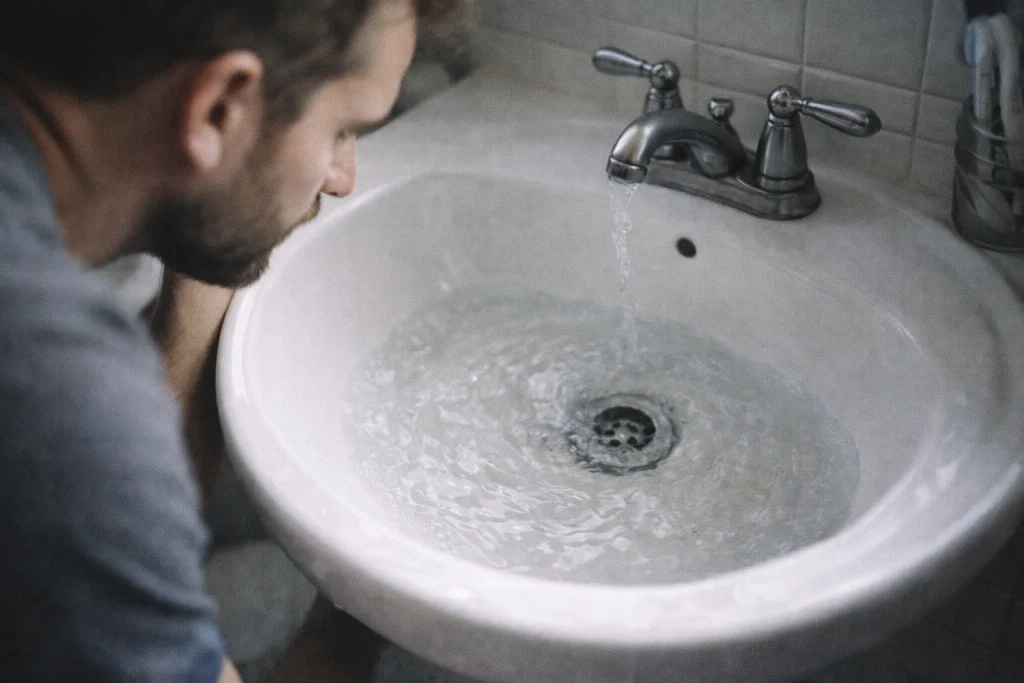
Scheduling a sewer camera inspection soon after a major storm can help identify damage caused by excessive rainfall, soil movement, or debris before it worsens. Even if no immediate plumbing issues are visible, early inspection allows potential problems to be detected while they are still manageable.
Repeated rainfall over a short period can place ongoing stress on sewer systems. Saturated soil may continue to shift for days or weeks, increasing the risk of pipe misalignment or developing blockages. In these situations, a follow-up sewer line inspection provides reassurance that the system remains structurally sound.
Timing also matters when it comes to prevention. Having an inspection completed before slow drains, odors, or backups appear helps homeowners avoid emergency plumbing situations. Proactive scheduling after storms supports early intervention and reduces the likelihood of sudden sewer failures.
Sewer Line Inspection Cost vs Emergency Repairs
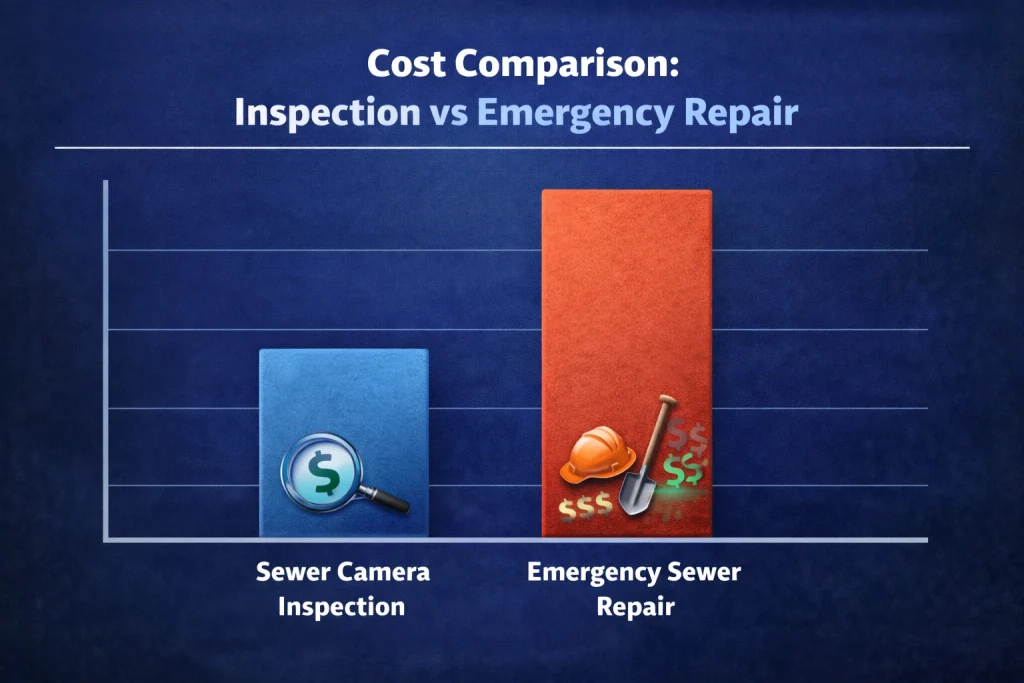
A sewer line inspection cost is typically far lower than the expense of addressing an unexpected sewer failure. Inspections are designed to identify potential issues early, before structural damage or blockages escalate into situations that require urgent repair work.
In comparison, emergency sewer repairs often involve additional labor, time-sensitive service calls, and, in some cases, excavation to access damaged pipes. The sewer camera inspection cost reflects a preventative approach—using video technology to assess pipe conditions without digging or disruption.
By scheduling an inspection after winter storms, homeowners can better understand the condition of their sewer system and avoid the financial impact of emergency plumbing calls. Early detection helps limit damage, reduces the likelihood of extensive repairs, and supports more predictable maintenance planning.
Signs Your Home May Need a Sewer Pipe Inspection
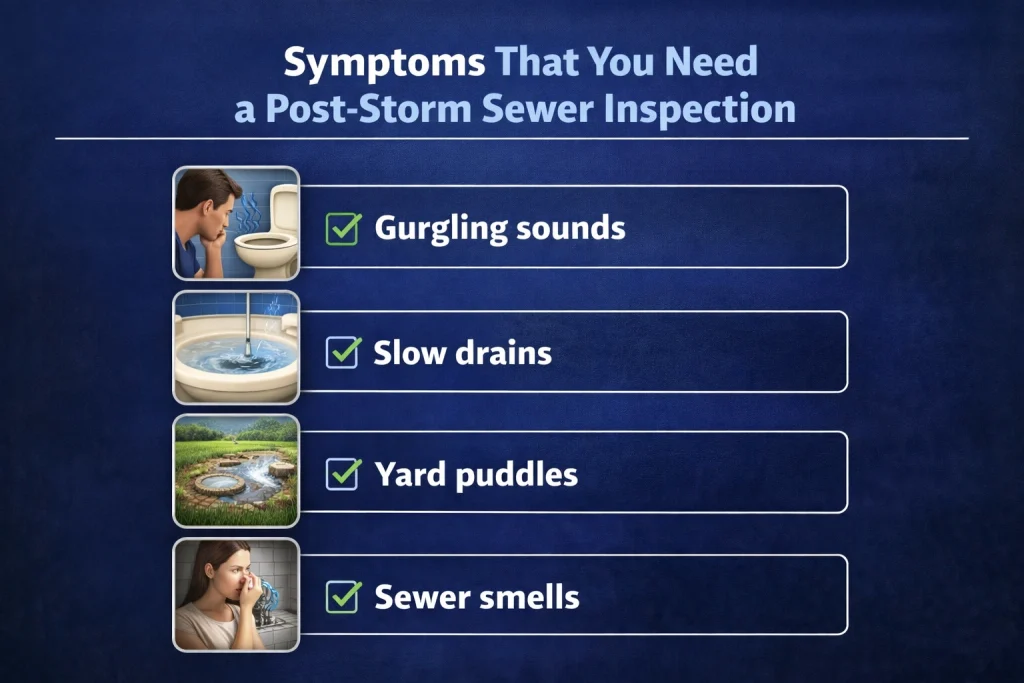
After winter storms or extended rainfall, certain warning signs can indicate hidden sewer issues developing underground. These symptoms may appear gradually and are often overlooked, even though they point to underlying pipe damage that benefits from a sewer pipe inspection.
- Slow drains after rain: If sinks, showers, or tubs drain more slowly following heavy rainfall, it may signal debris buildup or partial blockages inside the sewer line.
- Gurgling sounds: Unusual noises coming from drains or toilets can indicate trapped air caused by developing obstructions, often identified through a plumbing camera inspection.
- Standing water in the yard: Pooled water or soggy areas near the sewer line path may suggest leaks, cracks, or pipe separation below ground.
- Unpleasant odors: Persistent sewer smells inside or outside the home can be a sign of pipe damage or compromised connections that allow gases to escape.
Recognizing these signs early allows homeowners to investigate potential issues before they progress into full sewer backups or emergency repairs.
Why Post-Storm Sewer Inspections Are Especially Important in Santa Cruz
Santa Cruz’s coastal environment creates unique conditions that can increase the risk of sewer line damage after winter storms. Sandy and loosely compacted soils are more prone to erosion when exposed to heavy rainfall, which can leave underground pipes unsupported or misaligned. A sewer line inspection helps identify these issues early, before shifting soil leads to structural damage.
Many homes in Santa Cruz also rely on older plumbing systems that were not designed to withstand repeated periods of intense rainfall. Aging sewer pipes may already have small fractures or weakened joints that become more vulnerable during storms. Scheduling a sewer camera inspection after severe weather allows these hidden vulnerabilities to be assessed without excavation.
In addition, storm runoff patterns in coastal and hillside areas can change how water flows through the ground. Excess runoff can carry sediment into sewer systems or increase pressure around buried lines, accelerating wear and blockage formation. Post-storm inspections provide valuable insight into how local conditions have affected the sewer system and help prevent delayed failures after the storms have passed.
Preventing Costly Sewer Emergencies
Taking a proactive approach to sewer maintenance after winter storms can help homeowners avoid unexpected plumbing emergencies. Issues caused by soil movement, excess moisture, or debris buildup often develop gradually, making a sewer camera inspection a practical way to identify concerns before they escalate into costly repairs.
Regular monitoring through a sewer line inspection also provides peace of mind. Knowing the condition of your sewer system after severe weather allows you to plan ahead, address minor issues early, and reduce the likelihood of sudden backups or property damage.
For homeowners in Santa Cruz looking to better understand the condition of their sewer lines after storms, Anytime Plumbing offers professional inspection services designed to detect hidden problems early. Learning more about inspection options can be a helpful next step toward protecting your home and avoiding emergency situations.
Frequently Asked Questions
Yes, sewer damage after winter storms often develops slowly and may not affect drainage right away. A sewer camera inspection can reveal hidden cracks, blockages, or pipe shifts before they turn into backups.
A sewer line inspection is best scheduled soon after major storms or periods of repeated rainfall. Early inspection helps catch damage caused by soil movement or debris before problems escalate.
A sewer video inspection can identify cracked pipes, debris buildup, root intrusion, and pipe misalignment. These issues are often invisible from the surface but can lead to serious plumbing emergencies if left unchecked.
Heavy rain can push debris, soil, and roots into underground sewer lines. A camera inspection allows plumbers to look inside the pipe and identify blockages, cracks, or shifting joints. Finding these problems early helps prevent slow drains, sewage backups, and costly repairs later.