831-431-6593
Get an estimate
Serving Santa Cruz County:

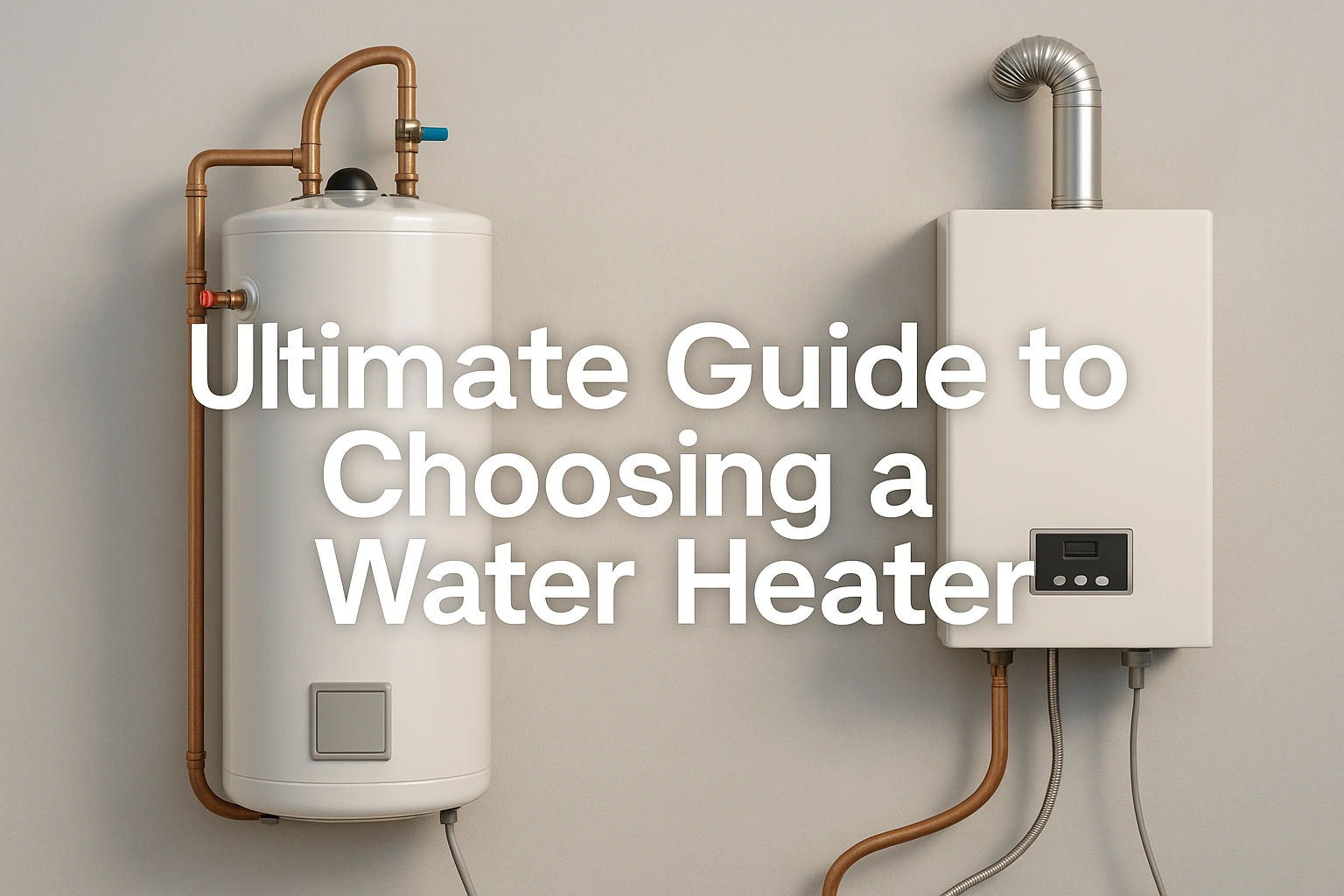
Choosing a water heater may seem straightforward—until you’re faced with dozens of options, all claiming to be the best. From navigating energy efficiency ratings to deciding between conventional storage tank water heaters and sleek tankless systems, it’s easy to feel overwhelmed. Yet, selecting the right unit is critical to ensuring your home’s comfort, managing long-term energy costs, and avoiding unnecessary repairs or replacements down the road.
This guide is designed to simplify your decision-making process. Whether you’re replacing an outdated model or planning a new installation, we’ll break down the key types of water heaters, compare tankless water heater pros and cons, and explore factors like cost, lifespan, and maintenance. With clear, practical insights, you’ll be equipped to choose a water heater that meets your needs, fits your budget, and delivers hot water when you need it—no guesswork required.
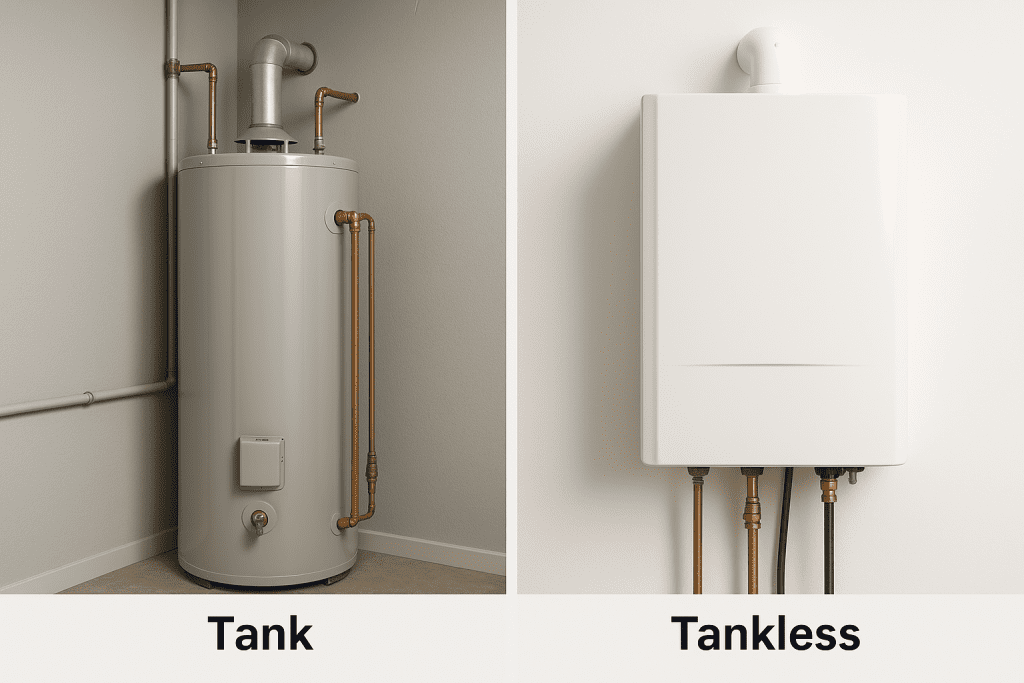
When choosing a water heater for your home, the most important decision is often whether to go with a tank or tankless system. Understanding the differences between the two can help you select a unit that fits your lifestyle, budget, and energy efficiency goals.
These traditional systems store a fixed amount of hot water—typically 30 to 80 gallons—in an insulated tank. Once the water is used, the tank refills and reheats, which can take time.
Homeowners exploring this option often benefit from learning more about how conventional storage tank water heaters function, including energy usage and space requirements.
Tankless, or on-demand, water heaters heat water only when it is needed. Instead of storing hot water, they use high-powered burners or heating elements to deliver a continuous flow directly through the pipes.
If you’re weighing the benefits and trade-offs, a detailed breakdown of tankless water heater pros and cons can help determine if this system aligns with your household needs.
Hot water systems come in many forms, and choosing the right one involves more than just size or brand. The right water heater depends on your home’s layout, your hot water needs, and your long-term energy goals. In Santa Cruz, where mild coastal weather, salt air, and sustainability incentives play a big role, homeowners and businesses have several great options. Below, we break down the most common water heater types—how they work, their advantages, disadvantages, and whether they’re the right fit for you.
Electric water heaters are one of the most common and versatile options for Santa Cruz homes. These units use electricity to heat water either in a storage tank or through tankless technology. They’re widely available, simple to install, and especially practical for properties without access to natural gas. While they offer high efficiency, operating costs in Santa Cruz may be higher due to local electricity rates.
| Factor | Details |
|---|---|
| Pros | • Low upfront installation cost • Easy to install in most homes • High energy efficiency ratings |
| Cons | • Higher monthly operating costs • Slower recovery time compared to gas models |
| Best For | Small households, apartments, offices; backup systems in commercial spaces |
| Cost | Install: $500–$1,500 Operating: $350–$600/year in Santa Cruz |
| Energy Efficiency | 90%+ efficiency, but higher cost per kilowatt-hour vs. gas |
| Lifespan | 10–12 years |
| Maintenance | Annual flushing + periodic heating element replacement |
| Santa Cruz Suitability | Great option for smaller homes without gas lines. Installation is straightforward, though energy bills may be higher. |
Gas water heaters are one of the most common choices for California households, including those in Santa Cruz. These systems use natural gas or propane to heat water either in a storage tank or instantly through a tankless setup. They’re valued for their fast recovery times and reliability, even during power outages, making them a strong option for medium to large households with higher hot water needs.
| Factor | Details |
|---|---|
| Pros | • Fast recovery times—ideal for large families • Works even during power outages • Often lower long-term costs if gas rates are stable |
| Cons | • Requires a gas line and venting • Higher upfront installation cost compared to electric |
| Best For | Medium to large households Commercial kitchens and laundromats |
| Cost | Install: $1,000–$2,500 Operating: $150–$400/year in Santa Cruz |
| Energy Efficiency | 60–70% efficiency (standard models) Up to 90% (high-efficiency condensing models) |
| Lifespan | 10–15 years |
| Maintenance | Regular flushing, anode rod replacement, vent inspection |
| Santa Cruz Suitability | Reliable and cost-effective where natural gas is available. Excellent for larger homes with high hot water demand. |
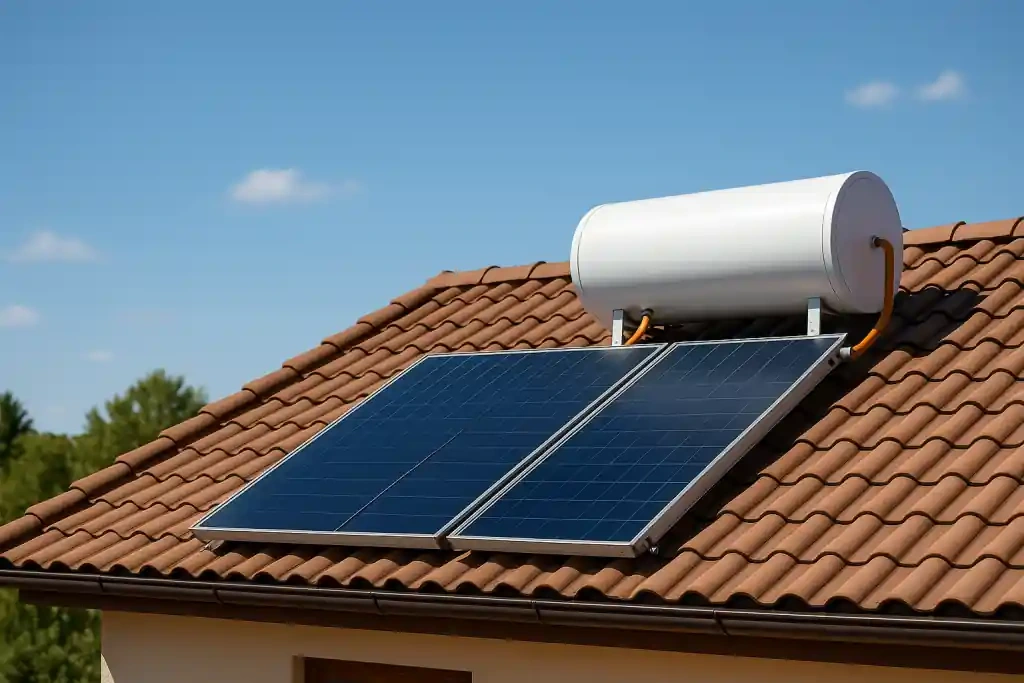
Solar water heaters use roof-mounted panels to capture sunlight and preheat water, typically paired with storage tanks and backup heaters. They’re a sustainable solution that can significantly reduce utility bills while qualifying for federal and California incentives. Though upfront costs are higher, the long-term savings and environmental benefits make solar systems an attractive option for eco-conscious households and businesses.
| Factor | Details |
|---|---|
| Pros | • Sustainable and environmentally friendly • Can drastically cut utility bills • Eligible for federal and California solar incentives |
| Cons | • High upfront cost • Performance depends on sunlight availability |
| Best For | Eco-conscious homeowners with roof space Hotels and businesses with high hot water usage |
| Cost | Install: $3,000–$7,000 (after rebates) Operating: $100–$200/year |
| Energy Efficiency | Efficiency depends on sunlight, but significantly reduces reliance on gas/electric |
| Lifespan | Panels: 15–20 years Tanks: 10–15 years |
| Maintenance | Panel cleaning, pump/valve checks, annual inspection |
| Santa Cruz Suitability | Excellent for sunny coastal California. Foggy mornings may reduce performance slightly, but rebates and incentives make solar an appealing option. |
Also known as hybrid water heaters, these units use electricity to extract heat from the surrounding air and transfer it into the water. By leveraging ambient heat, they consume far less energy than standard electric models. While installation costs are higher, their eco-friendly design and utility rebates make them a smart long-term investment, especially in moderate to warm climates like Santa Cruz.
| Factor | Details |
|---|---|
| Pros | • Uses 60–70% less electricity than standard electric heaters • Very eco-friendly • Rebates available from utilities like PG&E |
| Cons | • Higher upfront cost • Requires space with consistent air temperatures |
| Best For | Moderate to warm climates Residential garages or basements |
| Cost | Install: $1,500–$3,000 Operating: $100–$300/year |
| Energy Efficiency | Up to 3x more efficient than standard electric |
| Lifespan | 13–15 years |
| Maintenance | Air filter cleaning, occasional refrigerant system service |
| Santa Cruz Suitability | Highly efficient in coastal climates. One of the best recommendations for Santa Cruz homeowners seeking eco-friendly performance and energy savings. |
Propane water heaters function much like gas systems but use propane tanks instead of natural gas lines. They provide reliable hot water with fast heating capabilities, making them a strong option for rural or off-grid homes. While propane is flexible, the need for regular fuel deliveries and fluctuating propane prices can affect long-term operating costs.
| Factor | Details |
|---|---|
| Pros | • Fast heating • Flexible option where natural gas is unavailable |
| Cons | • Requires propane deliveries • Operating costs can fluctuate with propane market prices |
| Best For | Rural households Off-grid businesses and properties |
| Cost | Install: $1,200–$2,500 Operating: $300–$600/year |
| Energy Efficiency | Comparable to gas heaters Efficiency ranges 60–90% |
| Lifespan | 10–15 years |
| Maintenance | Tank inspections, vent checks, regular flushing |
| Santa Cruz Suitability | Ideal for rural Santa Cruz Mountain homes without access to natural gas. Reliable, but dependent on propane delivery schedules. |
Condensing water heaters are advanced systems that recycle exhaust gases to capture additional heat, making them far more efficient than standard gas models. Available in both tank and tankless designs, they are best suited for households or businesses with high hot water demand. Although they come with a higher upfront price, their superior efficiency can deliver significant long-term savings on utility bills.
| Factor | Details |
|---|---|
| Pros | • Highest efficiency for gas water heaters • Cuts energy bills significantly |
| Cons | • Higher upfront cost • Requires professional installation and venting |
| Best For | Large households Businesses with high hot water usage |
| Cost | Install: $2,000–$4,000 Operating: $100–$300/year |
| Energy Efficiency | Up to 95% efficient |
| Lifespan | 12–15 years |
| Maintenance | Annual inspection, condensate drain cleaning, flushing |
| Santa Cruz Suitability | Excellent for large Santa Cruz homes seeking long-term savings. High upfront investment, but ideal for energy-conscious households. |
Point-of-use water heaters are compact units designed to provide instant hot water at a single fixture, such as under a sink or in a remote bathroom. They’re highly efficient for targeted use, eliminating wasted water while waiting for hot water to travel through long pipes. While they don’t replace a full home system, they make an excellent supplement in areas where hot water is needed quickly.
| Factor | Details |
|---|---|
| Pros | • Compact and efficient • Eliminates water waste while waiting for hot water |
| Cons | • Limited capacity • Serves as a supplement rather than a main water heater |
| Best For | Remote bathrooms Home additions Office sinks |
| Cost | Install: $300–$1,000 Operating: $50–$150/year |
| Energy Efficiency | Very efficient for single fixtures |
| Lifespan | Around 10 years |
| Maintenance | Minimal—annual flushing recommended |
| Santa Cruz Suitability | A convenient solution for older Santa Cruz homes with long plumbing runs. Great for quick hot water access in specific locations. |
Combination (combi) boilers are dual-purpose systems that provide both home heating and domestic hot water from a single compact unit. By eliminating the need for a separate furnace and water heater, they save space and deliver high efficiency. While upfront installation is more costly and requires professional expertise, combi boilers are a practical solution for smaller homes, apartments, and multi-family housing where space is limited.
| Factor | Details |
|---|---|
| Pros | • Saves space • Highly efficient • Eliminates the need for a separate furnace and water heater |
| Cons | • Higher upfront cost • Requires professional installation and maintenance |
| Best For | Smaller homes or apartments Multi-family housing |
| Cost | Install: $3,000–$6,000 Operating: $200–$400/year |
| Energy Efficiency | 85–95% efficiency |
| Lifespan | 12–15 years |
| Maintenance | Annual inspection, flushing, boiler servicing |
| Santa Cruz Suitability | Efficient for smaller coastal homes and apartments where space is limited. A smart solution for multi-family residences in Santa Cruz. |
With so many options—from basic electric units to advanced hybrid or solar models—the best water heater depends on your household size, budget, and efficiency goals. Santa Cruz homeowners enjoy mild weather and access to energy-saving rebates, making it easier to choose a system that balances comfort and sustainability. Whether you need a quick installation, a high-capacity upgrade, or an eco-friendly solution, our team installs, repairs, and maintains all types of water heaters to keep your hot water flowing reliably.
Choosing the right water heater requires more than selecting a brand or fuel type. To make a smart, long-term investment, it’s essential to evaluate key factors that affect performance, efficiency, and total cost of ownership. Here are the most important questions homeowners should consider when shopping for a new unit:
Sizing your water heater correctly ensures it can meet your household’s hot water demands without wasting energy. For tank-style water heaters, look at the first-hour rating (FHR)—this tells you how much hot water the unit can deliver in an hour when fully heated. A family of four may need an FHR of 60–80 gallons, depending on usage. For tankless water heaters, consider the gallons per minute (GPM) flow rate. The more appliances or fixtures you run at once, the higher the required GPM. Sizing depends on peak demand, not just daily use, so professional guidance can help avoid underperformance or overspending.
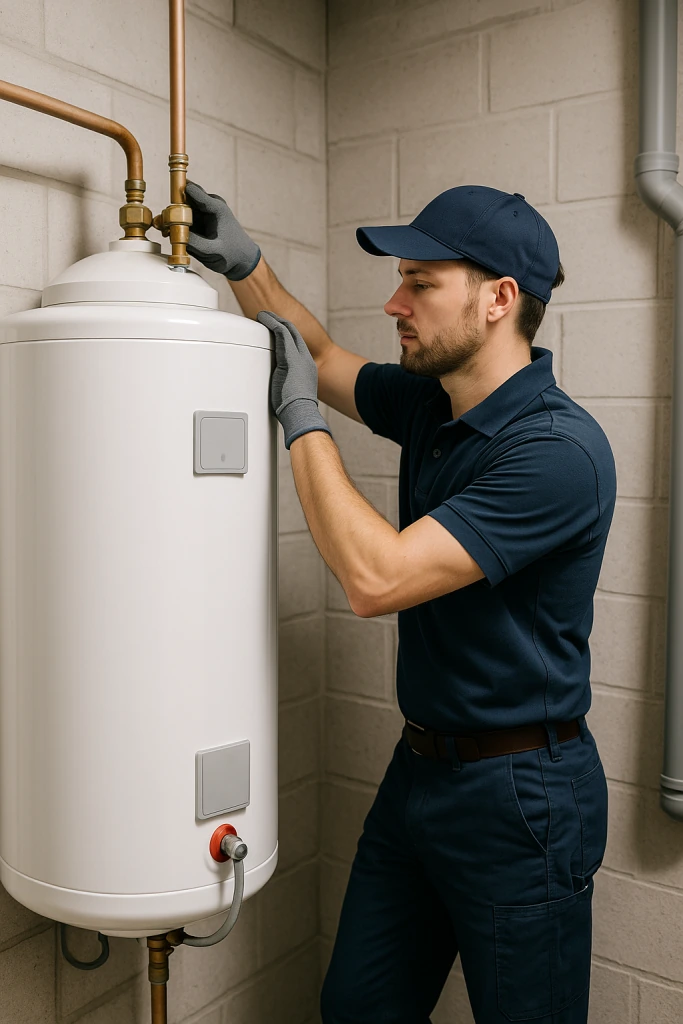
The cost of a new water heater varies based on the type, size, fuel source, and installation complexity. Traditional tank models typically range from $800 to $1,800 installed, while tankless systems may cost between $1,500 and $3,500. Factors that impact total cost include whether plumbing or electrical upgrades are needed, venting requirements, and removal of the old unit. Energy-efficient systems may cost more upfront but offer long-term savings through reduced utility bills. Getting an accurate quote from a licensed professional ensures there are no surprises.
Conventional storage tank water heaters usually last 8 to 12 years, while tankless water heaters can function efficiently for 15 to 20 years or more with proper care. It’s crucial to check the manufacturer’s warranty—standard warranties range from 6 to 12 years, depending on the model and brand. A longer warranty often reflects better materials or construction and can offer peace of mind, especially in high-use households.
Routine maintenance is key to extending the life of your system. Tank-style water heaters should be drained and flushed once a year to remove sediment buildup that reduces efficiency and can damage the tank. Tankless water heaters also require regular descaling or flushing—especially in areas with hard water—to prevent mineral buildup in the heat exchanger. A maintenance plan with a qualified technician helps maintain efficiency, avoid costly repairs, and keep warranties valid.
Choosing between tank, tankless, or hybrid systems doesn’t have to be overwhelming. Our licensed team at Anytime Plumbing can assess your home, recommend the best fit, and handle a seamless installation—so you get reliable hot water without the guesswork. Call 831-431-6593 today or schedule your consultation online to get expert guidance tailored to your Santa Cruz home.
Even the most reliable water heaters can experience issues—from inconsistent heating to complete breakdowns. When that happens, quick and expert help makes all the difference. At Anytime Plumbing, we specialize in fast, dependable water heater repair service across Santa Cruz County, including Aptos, Watsonville, Soquel, and surrounding communities. Whether you’re dealing with a leaking tank, no hot water, or a system that’s making unusual noises, our licensed technicians can diagnose and resolve the issue promptly.
For urgent problems, we offer emergency water heater repair to restore comfort and safety to your home without delay. Our team is available when you need us most—whether it’s a late-night leak or a cold shower surprise. If your current unit is beyond repair, we also handle professional water heater replacements, helping you select and install a system that fits your household’s needs and energy goals.
Our experienced water heater plumbers are trained to service all types of systems, including tank, tankless, gas, electric, recirculating water heaters and hybrid models. From minor tune-ups to full installations, we ensure your water heating system operates safely, efficiently, and reliably.
Reliable hot water is vital for both households and businesses, which is why our team delivers complete water heater services across Santa Cruz County. With licensed technicians and proven expertise, we handle everything from small fixes to full system upgrades—quickly, efficiently, and at a fair price.
Water Heater Installation
We install new water heaters tailored to your property’s needs, ensuring proper sizing, energy efficiency, and long-lasting performance.
Water Heater Repair Service
From leaks and strange noises to inconsistent heating, our technicians diagnose and fix all water heater issues quickly and cost-effectively.
Water Heater Replacement
If your system is beyond repair, we’ll replace it with a high-efficiency model that reduces energy bills and delivers dependable hot water.
Emergency Water Heater Repair
Hot water emergencies can’t wait. Our 24/7 emergency service means help is always just a phone call away.
Routine Maintenance & Flushing
Prevent breakdowns and extend your unit’s lifespan with regular flushing and inspection services that remove sediment and improve efficiency.
Commercial Water Heaters
Businesses rely on consistent hot water too. We service, repair, and install high-capacity water heaters built for restaurants, offices, and other commercial facilities
Choosing the right plumbing company for your water heater needs makes all the difference. Here’s why homeowners and businesses across Santa Cruz County continue to rely on Anytime Plumbing:
With a proven track record, trusted local reputation, and dedication to customer satisfaction, Anytime Plumbing is the name Santa Cruz chooses for dependable water heater services.
Don’t let water heater problems disrupt your comfort. Whether you need a brand-new installation, fast repairs, or a full system replacement, our licensed team is ready to respond day or night. We proudly serve homes and businesses across Santa Cruz County with dependable service and lasting solutions. With 24/7 availability, transparent pricing, and a 100% satisfaction guarantee, you can count on us to keep your hot water flowing. Call 831-431-6593 today and get expert plumbing help when you need it most.
Choosing the right water heater size depends on the number of people in your home and your typical daily hot water use. For tank water heaters, consider the first-hour rating, which indicates how much hot water the tank can supply in an hour. For tankless models, focus on the flow rate, measured in gallons per minute, to ensure it can handle simultaneous usage in multiple bathrooms or the kitchen. It's also important to consider peak usage times, like mornings or evenings, to avoid running out of hot water when you need it most. Consulting with a professional can help you select a size that balances efficiency with consistent hot water supply.
When choosing a water heater, look for a high energy factor rating, good insulation, and a heat pump or tankless design. Features like programmable timers, vacation mode, and low standby heat loss can save energy and reduce utility bills while ensuring hot water is available when needed.
Most water heaters last between eight and twelve years. If your unit is approaching this age, frequent repairs may cost more than a replacement. Signs that it might be time for a new water heater include rusty water, unusual noises like rumbling or popping, inconsistent water temperature, and leaks around the base of the tank. Choosing a new water heater at the right time can improve energy efficiency, prevent sudden breakdowns, and ensure a steady supply of hot water for your household. Consulting a professional can help you determine whether repairing or replacing your water heater is the better option.
Larger households typically require greater hot water capacity to handle simultaneous showers, laundry, and dishwashing. Choosing the right tank size or system output helps ensure consistent hot water availability without frequent shortages.

Get a no obligation, consultation by giving us a call today. Or fill out our form and we'll get back to you in email.
© 2020 ANYTIME PLUMBING, INC. - ALL RIGHTS RESERVED.