

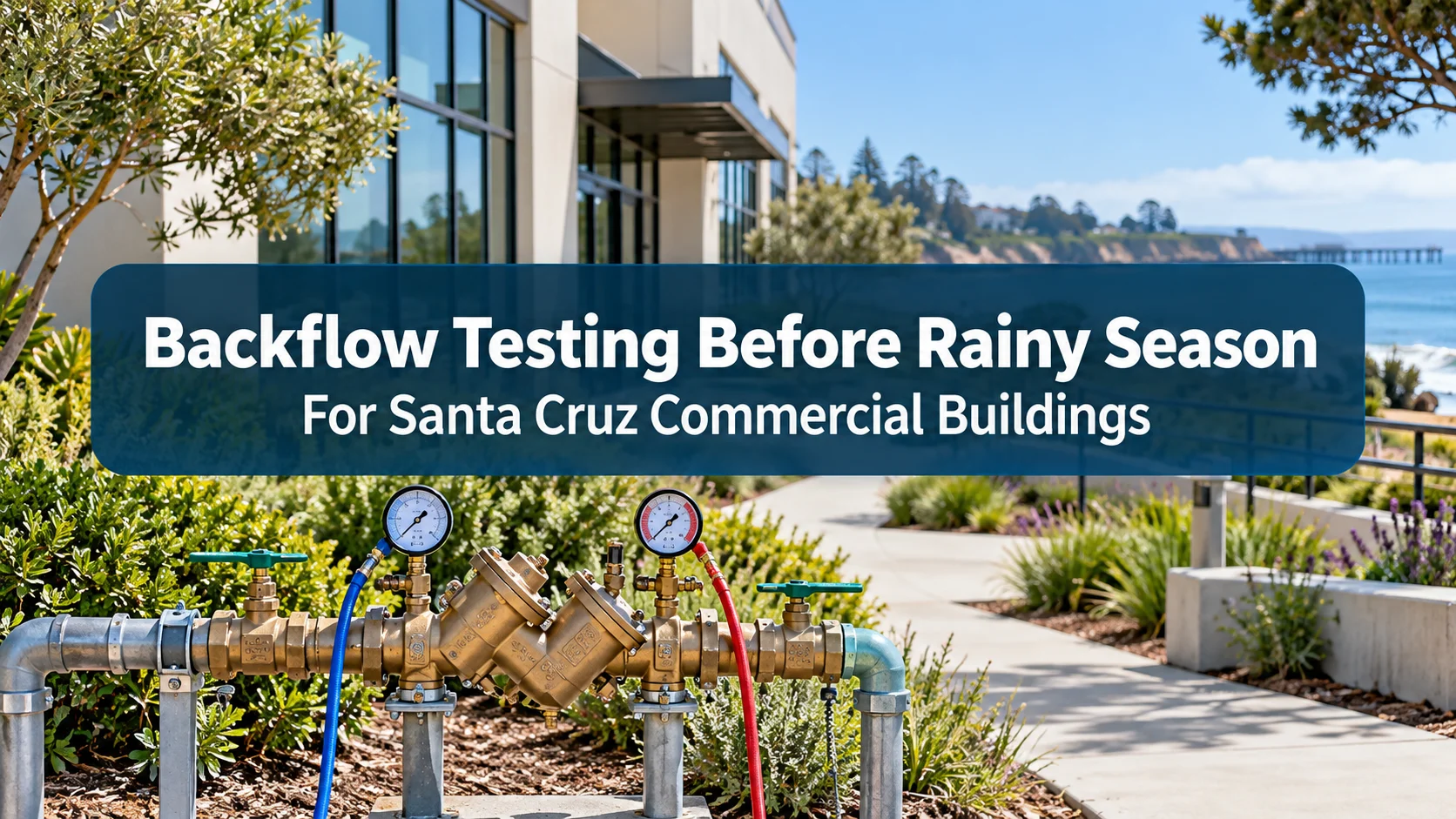
Backflow Testing for Santa Cruz Commercial Buildings Before Rainy Season
As Santa Cruz moves into wetter seasonal weather, commercial property owners and managers have a good opportunity to review important plumbing safeguards before heavier rain arrives. Backflow prevention devices help keep water moving in the intended direction and reduce the risk of contaminated water entering the potable water supply.
This is especially relevant for properties such as restaurants, apartment buildings, schools, offices, retail locations, and sites with irrigation systems. Rain itself does not automatically cause a backflow problem, but seasonal maintenance is a practical time to confirm that devices are accessible, visibly in good condition, and due for any required backflow preventer testing.
Regular commercial backflow testing can help identify issues early and support safer, more reliable plumbing systems.
How Backflow Prevention Protects Commercial Water Systems
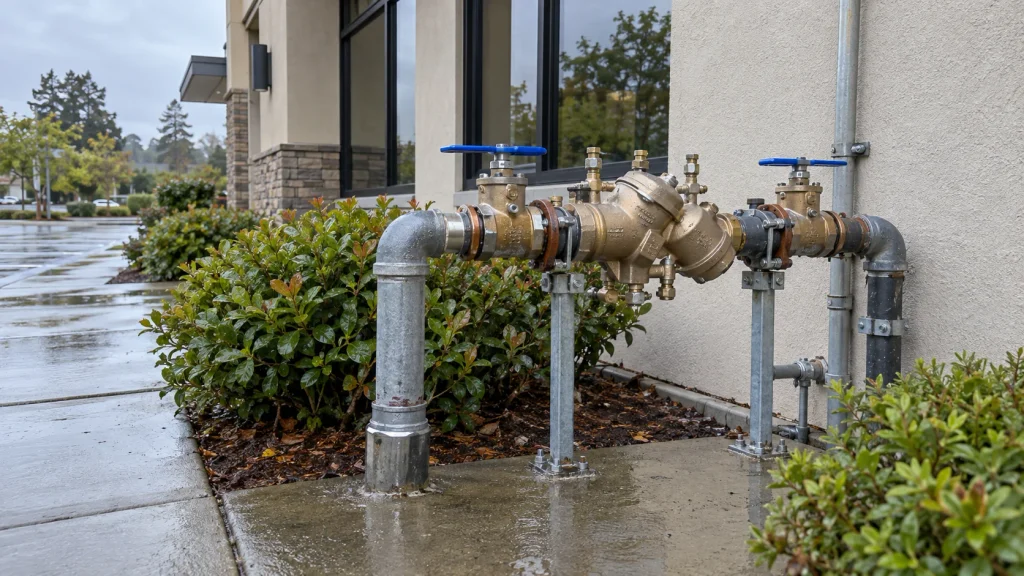
Water in a commercial plumbing system is designed to move in one direction, from the public supply into the building. Backflow happens when pressure conditions cause water to move in the opposite direction, potentially allowing non-potable water to enter the potable supply.
Two common causes are backpressure, when downstream pressure becomes higher than the supply pressure, and backsiphonage, when a drop in supply pressure pulls water backward through the system.
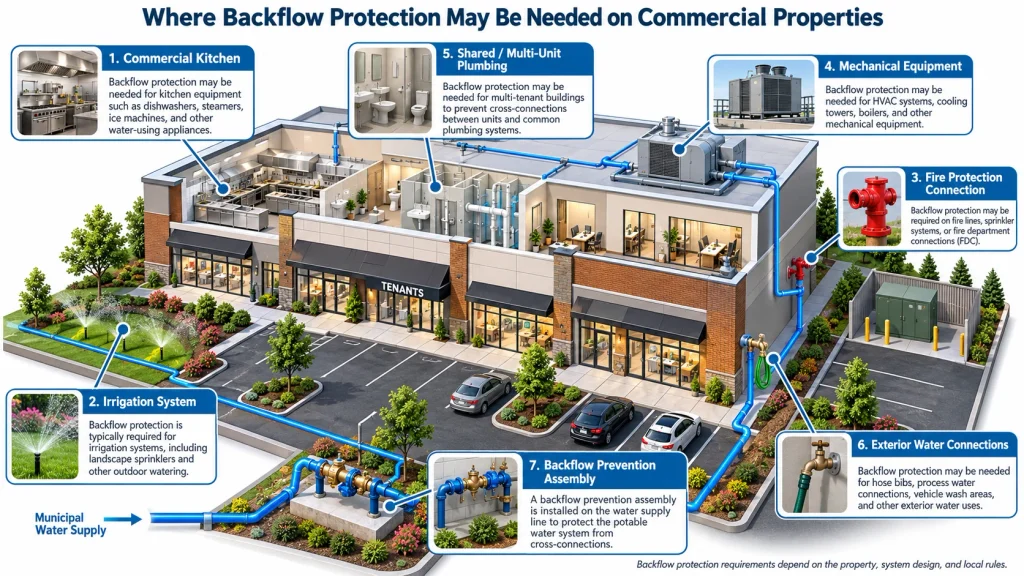
A backflow preventer helps stop this unwanted reverse flow where cross-connections or higher-risk water uses are present. These may include:
- irrigation connections
- commercial kitchens
- certain fire protection systems
- equipment connected to water lines
- multi-unit properties
Regular backflow device testing and a backflow preventer inspection help confirm that the assembly is accessible and operating as intended. Backflow preventer testing checks whether the internal components are functioning properly.
Why Check Backflow Devices Before Wet Weather Arrives
Rainy-season preparation is a practical time for commercial property managers to include backflow devices in their regular maintenance checks. Many properties are already reviewing drains, irrigation systems, outdoor plumbing, water service areas, and mechanical equipment before wetter weather arrives.
Adding a backflow prevention inspection to that checklist can help identify access or maintenance issues early. Wet conditions may make existing problems easier to notice, including standing water around the assembly, debris buildup, damaged protective covers, corrosion, or poor access around outdoor devices.
Rain itself does not automatically cause a properly functioning backflow preventer to fail. The value of seasonal backflow testing is preventive: it gives property managers a chance to confirm the device is accessible, in reasonable visible condition, and ready for any required testing before stormy conditions make service more difficult.
For larger properties, this can also fit naturally into a broader commercial plumbing inspection.
Commercial Properties That Should Keep Backflow Testing on Their Maintenance List
Different commercial properties have different plumbing layouts, water uses, and cross-connection risks, so commercial backflow testing should be based on the actual system installed at the property.
| Property Type | Why Backflow Testing May Matter |
| Restaurants | Multiple water-use points, cleaning systems, and commercial equipment can create more complex plumbing connections. |
| Apartment buildings | Shared plumbing systems and multiple units may require backflow protection at specific points. |
| Schools | Large numbers of fixtures, irrigation systems, and facility equipment can increase the need for proper protection. |
| Offices and retail properties | Irrigation or equipment connections may require backflow prevention. |
| Irrigation systems | Cross-connections can create a pathway for unwanted reverse flow. |
| Multi-use commercial buildings | Different tenants and plumbing uses can make system design more complex. |
The exact requirements for backflow prevention testing depend on the property, device type, and local rules. Not every commercial building uses the same assembly or follows the same testing schedule, so qualified backflow testing services should assess the specific system in place.
What to Expect During Backflow Preventer Testing
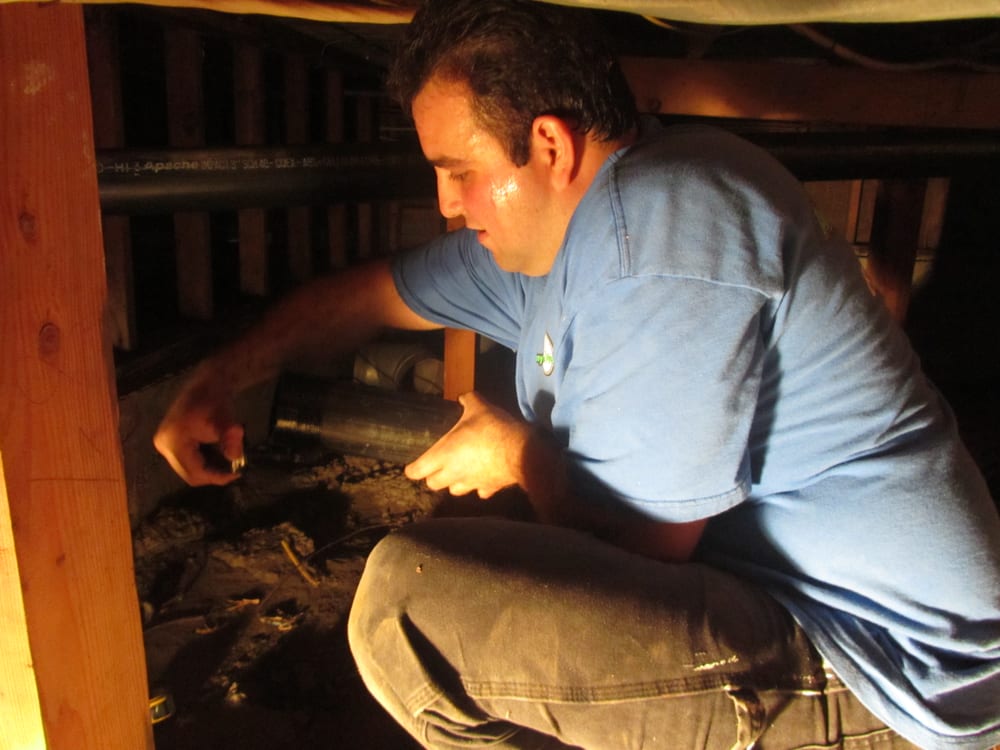
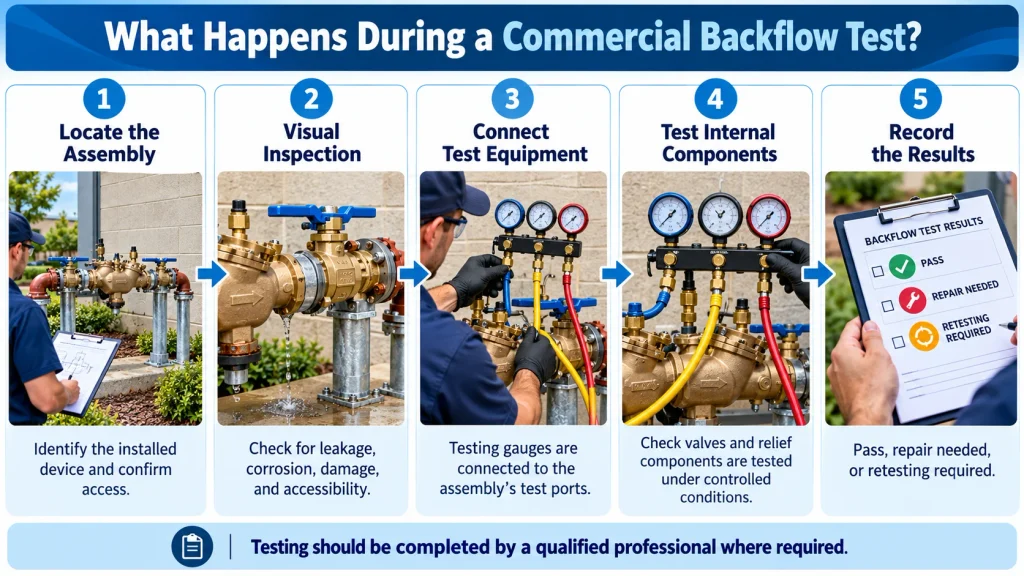
A professional backflow preventer test begins with locating the assembly and confirming what type of device is installed. The tester will also check whether the unit is accessible and look for obvious signs of damage, corrosion, leakage, or other visible issues.
During a backflow assembly test, the tester uses appropriate testing equipment to measure how the internal check valves and relief components respond under controlled conditions. The results are then documented so the property owner or manager knows whether the assembly passed, needs repair, or should be tested again after corrective work.
A backflow prevention assembly test should be performed by a qualified professional rather than treated as a DIY procedure. Where certification, reporting, or submission of test results is required, property managers should confirm the current local requirements and make sure the tester meets any applicable qualification or licensing standards.
Signs Your Backflow Preventer May Need Inspection
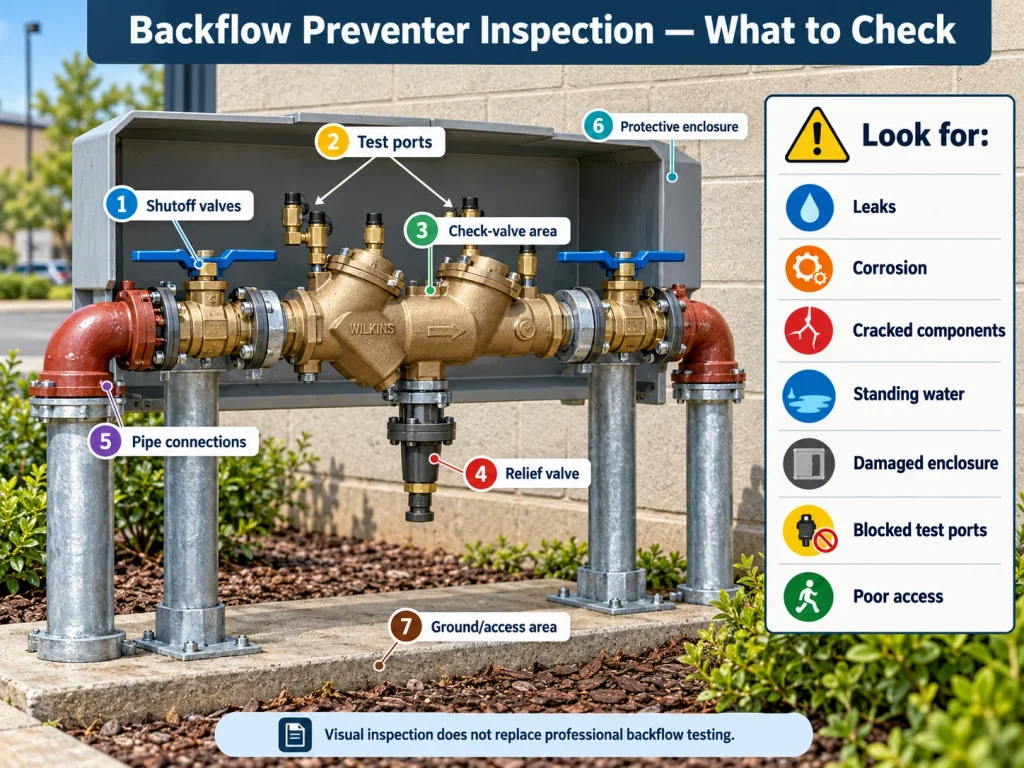
A backflow preventer may need professional attention if you notice visible changes around the device or if its testing history is unclear. Common warning signs include:
- Visible leaking around the assembly.
- Corrosion, cracks, or damaged components.
- Standing water around the device.
- A damaged or missing protective enclosure.
- Unusual changes in water pressure.
- Valves or test ports that are difficult to access.
- Plumbing or irrigation work completed since the last test.
- No record of recent testing.
- A previous failed backflow test.
These signs do not automatically mean the device has failed. However, they can indicate that a backflow inspection or backflow preventer inspection is appropriate.
Professional backflow device testing can help determine whether the assembly is operating correctly, needs repair, or should be retested after maintenance.
Check Access Around Outdoor Backflow Devices
Outdoor backflow assemblies can become harder to reach when leaves, mud, landscaping growth, soil, or stored items build up around them. Before wetter weather arrives, property managers should make sure the device and its test ports remain visible and accessible.
Check for:
- Leaves or mud around the assembly.
- Overgrown landscaping.
- Soil buildup near the base.
- Stored items blocking access.
- Damaged protective enclosures.
- Water pooling around the device.
Good access matters because a tester needs to safely reach the assembly during a backflow preventer inspection or scheduled backflow testing.
For Santa Cruz properties, clearing the area in advance can make routine commercial plumbing maintenance easier and help prevent avoidable delays when testing is due.
What Affects Backflow Testing Cost?
The total backflow testing cost can vary from one commercial property to another. Factors may include the number of backflow assemblies, the type of device installed, how easy it is to access, and whether repairs or retesting are needed.
Other considerations can include the property location and any documentation or reporting requirements connected with the test.
To get a more accurate estimate for backflow testing services, commercial property managers should be ready to provide:
- The property address.
- The number of known backflow devices.
- The device type, if known.
- Information from the last test, if available.
Because these details can affect labor and testing requirements, there is no single backflow preventer testing cost that applies to every property. A property-specific quote is the best way to understand the expected cost.
Commercial Backflow Checklist Before Rainy Season
Before wetter weather arrives, commercial property managers can use this quick checklist:
- Locate each known backflow preventer.
- Make sure all devices are accessible.
- Clear leaves, mud, and other debris.
- Look for visible leaks, corrosion, or damage.
- Check protective covers and enclosures.
- Review the date of the last backflow test.
- Confirm whether testing or certification is due.
- Note any recent plumbing or irrigation changes.
- Schedule professional testing when required.
- Keep test records with other property maintenance documents.
Schedule Commercial Backflow Testing in Santa Cruz
Restaurants, apartment buildings, schools, offices, retail properties, and sites with irrigation systems can contact Anytime Plumbing for Santa Cruz backflow testing and related inspection services. If you are searching for reliable backflow testing services in Santa Cruz or nearby areas, call 831-431-6593 to discuss your property, device access, and testing needs before the rainy season.
Frequently Asked Questions
Testing frequency can vary based on the type of device, the property, the water provider, and applicable local requirements. Commercial property managers should confirm the current testing schedule for each installed backflow assembly rather than assuming every device follows the same interval.
Rain by itself does not necessarily cause backflow. Backflow is generally related to pressure changes and cross-connections within a water system. However, rainy-season preparation is a useful time to inspect outdoor devices, confirm access, and check surrounding drainage conditions.
Backflow testing cost depends on factors such as the number and type of assemblies, accessibility, property location, documentation needs, and whether repairs or retesting are required. A property-specific quote is the best way to estimate the total cost.