

Coastal Fog in Plumbing: Hidden Impacts on Santa Cruz Homes
Living in Santa Cruz offers stunning ocean views and a relaxed coastal vibe, but it also comes with unique challenges—especially when it comes to plumbing. If you’ve noticed weird water stains on your walls or rusty faucets, you’re not alone. Coastal fog and high humidity can wreak havoc on plumbing systems, leading to all sorts of headaches for homeowners. In this article, we’ll dive into how that salty sea air impacts pipes and fixtures right under your roof and what you can do to safeguard your home against these pesky plumbing woes. Whether you’re a long-time resident or new to our charming beach town, understanding these issues will help you keep your home’s plumbing running smoothly.
Coastal fog and high moisture levels can lead to increased humidity, which may cause plumbing materials to corrode faster, potentially leading to leaks and other plumbing issues. It’s important for homeowners in Santa Cruz to consider regular maintenance and inspections to mitigate the risks posed by these environmental factors on their plumbing systems.

Impact of Coastal Moisture on Plumbing
Coastal regions like Santa Cruz are a playground for nature’s beauty but also come with plumbing problems due to high humidity levels. The salty sea air, combined with persistent moisture, creates an environment where plumbing systems face constant wear and tear. This relentless exposure makes pipes more vulnerable, particularly those made from metal, which can corrode at an alarming rate under such conditions. Left unchecked, this corrosion leads to leaks—a homeowner’s worst nightmare.
According to the American Society of Plumbing Engineers, galvanized pipes in coastal environments may see their lifespan reduced by nearly 50%. That means what you might expect to last decades could suddenly require attention much sooner.
As time goes on, these vulnerabilities become more noticeable in older plumbing systems. Many homes in Santa Cruz are equipped with aging infrastructure that may already show signs of fatigue. When combined with the corrosive effects of moisture, homeowners often notice rust contamination in their water supply. It’s frustrating to pour a glass of water only to see an unwelcome reddish tint—a clear sign that your plumbing needs urgent care.
Being proactive can save you significant time and money down the line. Regular inspections and maintenance help catch potential issues before they grow into major problems. For instance, utilizing hydro jetting services can clear out rust and debris accumulating in your pipes, extending their lifespan. Think of this preventative measure as a tune-up for your car; a small investment now prevents larger headaches later.
Additionally, homeowners should consider upgrading fixtures and piping materials when renovating or making repairs. Opting for stainless steel or PVC pipes can provide better resistance against the corrosive elements present in coastal environments. Measures like these ensure clean water supply and bring peace of mind knowing you’re protecting your home from unanticipated plumbing disasters.
Recognizing how moisture affects our plumbing systems is essential for maintaining healthy and functional fixtures in our homes. With these insights, it’s important to explore the specific plumbing issues that arise from such coastal conditions.
Fog-Related Plumbing Issues in Santa Cruz
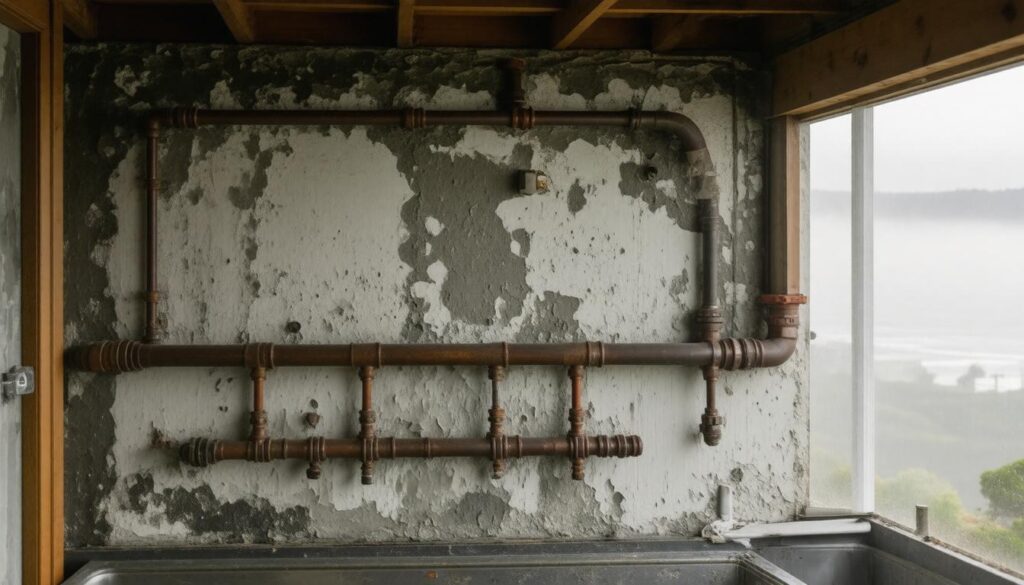
In Santa Cruz, the consistent blanket of fog brings a unique set of plumbing challenges that homeowners should be aware of. When that moisture settles on your plumbing systems—particularly pipes and fittings—it’s like a silent thief, subtly but surely causing havoc over time without a peep. You come home after a long day, blissfully unaware that the fog has been working against your plumbing all along.
Common Issues
- Rust and Corrosion: Metal pipes are particularly vulnerable as prolonged exposure to moisture fosters rust. This decreases the structural integrity of pipes, leading to potential leaks or even bursts. If you’ve ever had a rusty faucet, you’ll know it’s not merely cosmetic; the underlying issue could require costly repairs if not addressed early.
- Pipe Clogging: The humid atmosphere isn’t just friendly to rust; it also supports the growth of algae, mold, and mildew within your plumbing system. These pesky organisms can wreak havoc by causing clogs in pipes and drains. The next thing you know, you’re faced with slow-draining sinks or worse—a full-blown blockage.
- Sealant Deterioration: Plumbing sealants play a critical role in keeping things leak-proof. Yet fog-infused moisture contributes to their breakdown over time. When this adhesive property falters, you may suddenly find yourself dealing with unexpected leaks in areas you thought were secure.
- Increased Wear on Outdoor Faucets: It might be convenient to think outdoor fixtures can handle whatever nature throws at them, but constant exposure accelerates their wear and tear. If you’ve noticed your outdoor faucets leaking more frequently or corroding sooner than expected, fog moisture could very well be to blame.
For homeowners in Santa Cruz, one vital takeaway is that regular inspections and maintenance of exposed pipes and outdoor plumbing fixtures aren’t merely good practice—they’re essential for longevity. Addressing these issues proactively can help avert costly repairs down the line.
If you’re already noticing signs of any of these problems—like corrosion or clogs—it might be time to contact professionals who can diagnose and remediate potential hazards before they escalate into major plumbing disasters. Recognizing these early indicators can make a significant difference in preserving your plumbing infrastructure amidst the coastal climate challenges.
Identifying Early Plumbing Problems
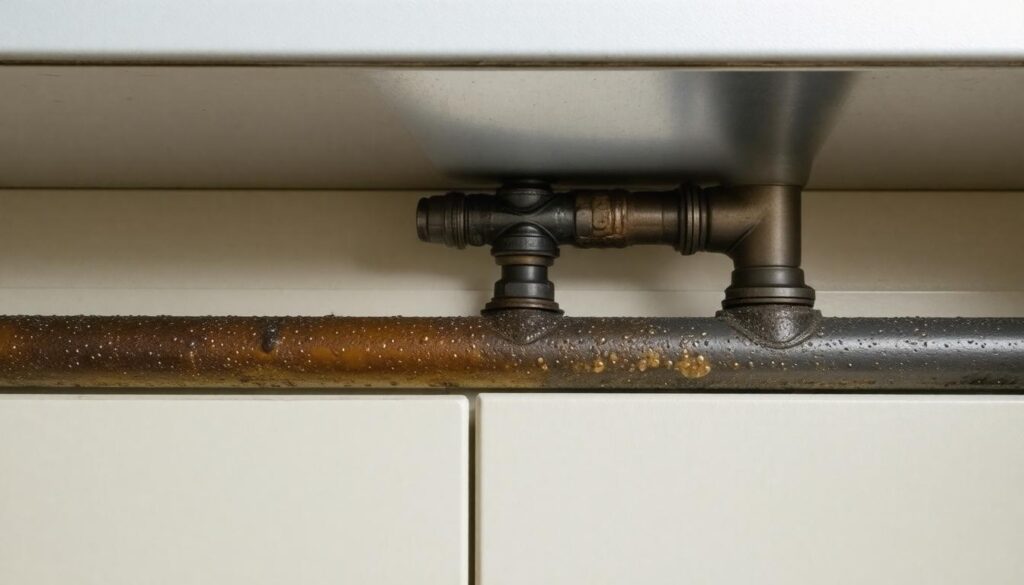
It’s all too easy to overlook small signs of trouble in your plumbing system until they become significant issues. If you pay close attention to the signals that your plumbing might be sending, you can nip potential headaches in the bud. One glaring warning sign is discolored water—if you notice rusty or brown water coming from your faucets, it likely indicates corrosion within your pipes. This is not just about aesthetics; it poses a serious risk to your health, since corroded pipes can leach harmful metals.
Another subtle but telling indicator is unusual noises emanating from your pipes. Sounds like gurgling or banging often signify trapped air or clogs. Imagine trying to enjoy a quiet evening at home only to be disrupted by unsettling sounds of your plumbing system protesting! Addressing the underlying issue sooner rather than later could save you from further complications, such as bursting pipes during high-pressure periods.
While sounds might alert you to a problem, low water pressure is another direct signal that something isn’t quite right. If you’re struggling to fill a glass of water quickly, chances are there are leaks or blockages somewhere in the plumbing system. This inconvenience disrupts daily life and can lead to increased utility bills if not addressed.
The concerns don’t stop with sounds or water flow; keep an eye out for water stains on walls and ceilings. These seemingly minor markings can indicate hidden leaks that have gone unchecked. Damp spots typically grow over time and may lead to more severe structural damage if left unexamined. It’s worth a closer look if you spot any strange discoloration in your home; remember, if it’s wet today, it could be mold tomorrow.
A musty smell lingering around your home should never be ignored. Mold and mildew thrive on excessive moisture—a key symptom of hidden plumbing issues. If you discover visible mold growth or simply can’t shake that damp odor, it’s critical to investigate further before the problem escalates into a larger concern.
At Anytime Plumbing, we specialize in thorough inspections that help detect these issues early on—an ounce of prevention is worth a pound of cure. Scheduling routine check-ups not only brings peace of mind but also safeguards your home against future plumbing disasters.
As we explore how to further protect your home, consider what proactive steps can be taken to mitigate these common plumbing problems effectively.
Effective Preventive Measures
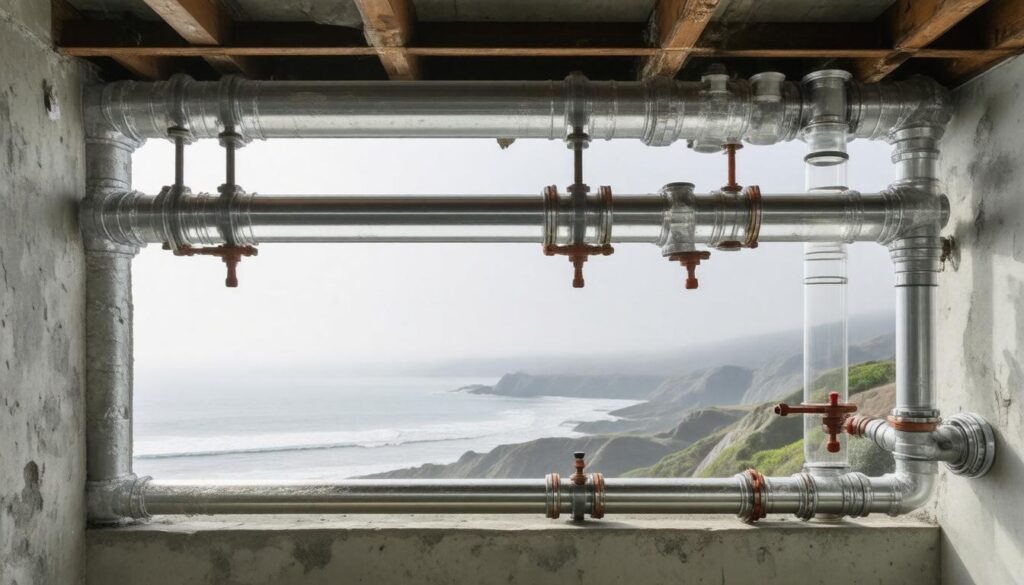
Prevention truly is your best ally when it comes to maintaining a reliable plumbing system. By adopting simple yet effective practices, you can significantly reduce the likelihood of moisture-related damage that often plagues plumbing systems in areas like Santa Cruz.
One of the first steps is to choose corrosion-resistant materials for your piping needs. Opting for PVC or PEX pipes not only provides durability but also gives you peace of mind by guarding against the rust and deterioration that can occur with traditional metal pipes.
Equally important is to apply protective coatings on any exposed metal pipes. This barrier creates an additional line of defense against moisture, which can lead to corrosion over time. Imagine standing at a crossroads—choosing between a long-lasting material that handles environmental adversities well versus conventional options that might fail sooner rather than later. Protective coatings serve as the wise choice that pays off in longevity and reliability.
Regular maintenance plays a crucial role in plumbing health. Scheduling routine inspections with your local plumber helps catch any minor issues before they escalate into significant problems requiring costly repairs. Small leaks or signs of wear might go unnoticed but can quickly transform into bigger headaches if left unchecked. Therefore, think of these inspections as preventative check-ups for your plumbing: they ensure everything runs smoothly and efficiently, saving you from potential disasters down the road.
Another practical step is ensuring proper insulation for your exposed pipes. Insulating these pipes shields them from not just moisture but also temperature fluctuations that can lead to freezing and bursting during colder months. Envision wrapping those vulnerable parts of your plumbing system with a soft yet sturdy blanket; that’s what insulation does—it guards against the elements, giving your plumbing a fighting chance in unpredictable weather conditions.
Installing dehumidifiers is equally critical, especially in areas prone to excess moisture like crawl spaces and basements. Reducing indoor humidity doesn’t just keep your living space comfortable; it also wards off mold and mildew that thrive in damp environments. A dehumidifier works much like a reliable friend who consistently helps maintain balance, making sure your home stays dry and healthy.
Anytime Plumbing is here to support you through these preventive measures, offering services like routine inspections, pipe insulation, and the application of protective coatings to enhance the resilience of your plumbing system against the unique challenges presented by coastal living. Our commitment is not just about fixing problems; it’s about preventing them and ensuring that your plumbing remains efficient and safe for years to come.
Understanding these preventive strategies lays the groundwork for taking control of moisture within your home environment, which prepares us for discussing further techniques essential for regulating humidity and maintaining comfort indoors.
Managing Home Moisture
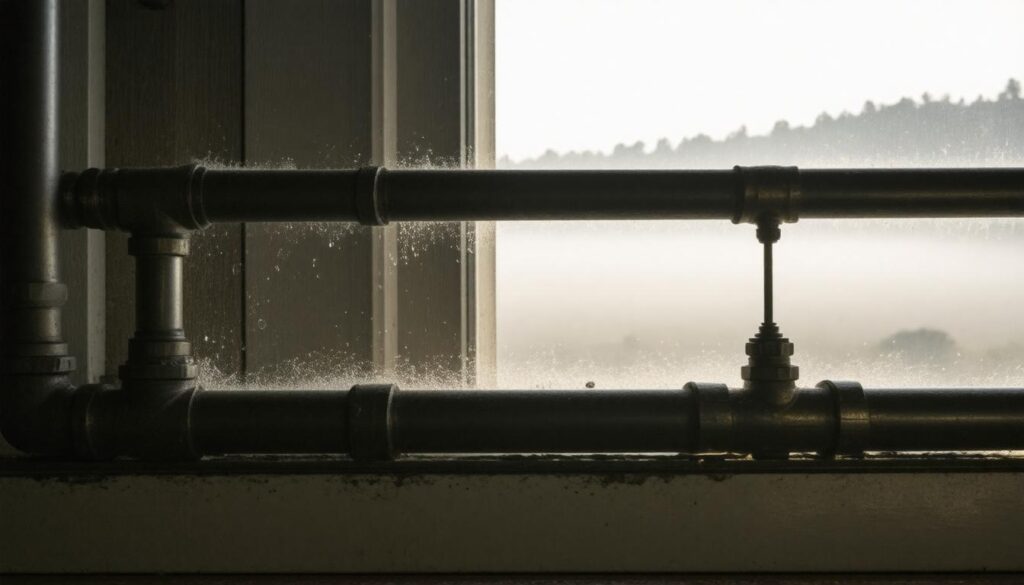
One of the most crucial aspects of maintaining a healthy and efficient plumbing system in coastal areas is keeping moisture levels in check. High humidity, fueled by persistent coastal fog, can lead to problems that resonate throughout your home. From mold growth to corrosion of pipes, neglecting these moisture levels can create significant headaches—both literally and financially.
Practical Solutions
Ventilation: A well-ventilated home is imperative. By ensuring that air can circulate freely, you help stave off dampness that can seep into walls and ceilings. Utilize exhaust fans, particularly in areas prone to moisture like kitchens and bathrooms where steam can accumulate. Consider also leaving windows open when weather permits—this can effectively reduce indoor humidity levels without much effort on your part.
Seal Windows and Doors: Windows and doors act as gateways for moisture-laden air. It’s vitally important to seal any gaps or cracks that may allow damp air to infiltrate your space. You can apply weather stripping around doors and caulking around windows to create a snug barrier against the elements. This not only keeps out unwanted moisture but also enhances energy efficiency in your home.
Landscape Management: The area surrounding your home plays a belittled yet vital role in managing moisture levels indoors. Ensure proper drainage around your foundation by grading the soil so that water flows away from your house rather than pooling near it. Additionally, consider landscaping choices such as adding gravel pathways, rain gardens, or even installing a French drain if necessary. These measures will help manage excess water and protect your plumbing systems from undue stress.
Implementing these proactive steps can significantly reduce the impact of moisture on both your home’s structure and your plumbing systems. Taking care of these seemingly simple tasks can prevent complicated issues down the line, saving you both time and money.
Managing home moisture doesn’t just provide comfort; it fortifies your plumbing against potential disasters that could arise from neglecting this essential aspect of home maintenance. As we turn our focus now towards practical strategies tailored for homeowners in this unique climate, it’s essential to consider actionable insights that empower you to safeguard your living environment effectively.
Essential Tips for Santa Cruz Homeowners

Homeowners in our coastal community face specific challenges due to the persistent moisture and fog that significantly impact plumbing systems.
The first essential tip is to conduct regular inspections. Scheduling annual plumbing checks enables you to catch small problems before they develop into costly repairs. Trained professionals from Anytime Plumbing can identify weak points and recommend preventative measures, ensuring your pipes remain resilient against corrosion and leaks.
Preparing for winter is another critical step in maintaining your plumbing system. If you haven’t already, make it a priority to winterize outdoor faucets and any exposed pipes. This means disconnecting garden hoses and draining any remaining water from outdoor lines to prevent freezing and bursting during those cold snaps that sometimes descend upon our area. Taking these preliminary steps now can save you the headache of dealing with unexpected plumbing issues later.
Furthermore, when it’s time to update or install plumbing systems, consider embracing technologies that support more resilience against moisture.
Engaging professional services for the installation of moisture-resistant plumbing systems is highly advisable. You want someone with experience addressing our local climate’s challenges. Moisture-resistant materials can significantly reduce the chances of damage from persistent humidity and salt air, extending the overall life of your plumbing system.
Regular maintenance often involves checking under sinks and inspecting visible pipes for signs of mold or water stains—indicators that may suggest unseen leaks! By taking proactive measures, you arm yourself against costly future repairs.
For expert plumbing services tailored for Santa Cruz’s unique climate, contact Anytime Plumbing at 831-431-6593 or visit anytimeplumbing.net. Ensuring the longevity of your plumbing system starts with smart choices today.
By staying proactive and informed about local plumbing needs, you can effectively safeguard your home against moisture-related issues while enjoying the benefits of a well-maintained system. Don’t hesitate—reach out to Anytime Plumbing for all your plumbing concerns!
Frequently Asked Questions
Coastal fog can create constant moisture on outdoor plumbing fixtures and exposed pipes, which accelerates rust, corrosion, and mineral buildup. Over time, this can lead to leaks, weakened joints, and reduced overall lifespan of your plumbing. Regular inspections and protective measures, such as weather-resistant coatings or coverings, can help minimize these effects and keep your outdoor plumbing in good condition.
A musty smell near plumbing fixtures in coastal homes often comes from moisture settling in places that don’t dry well. Salt in the air can speed up wear on pipes and seals, allowing damp areas to form. Cleaning drains and checking seals usually helps reduce the odor.
Coastal fog increases humidity in the air, and over time this moisture can lead to mineral buildup and corrosion inside pipes. These changes can reduce water flow and make water pressure inconsistent. Homes with older plumbing or galvanized pipes are more likely to notice drops in pressure during long periods of fog. Regular inspections and flushing of pipes can help maintain consistent water flow and prevent small issues from becoming major repairs.
Coastal fog often contains salt particles from ocean spray that settle on pipes and fixtures. When combined with moisture, these salts accelerate corrosion on metal plumbing components and may eventually lead to rust, leaks, or reduced pipe lifespan.