

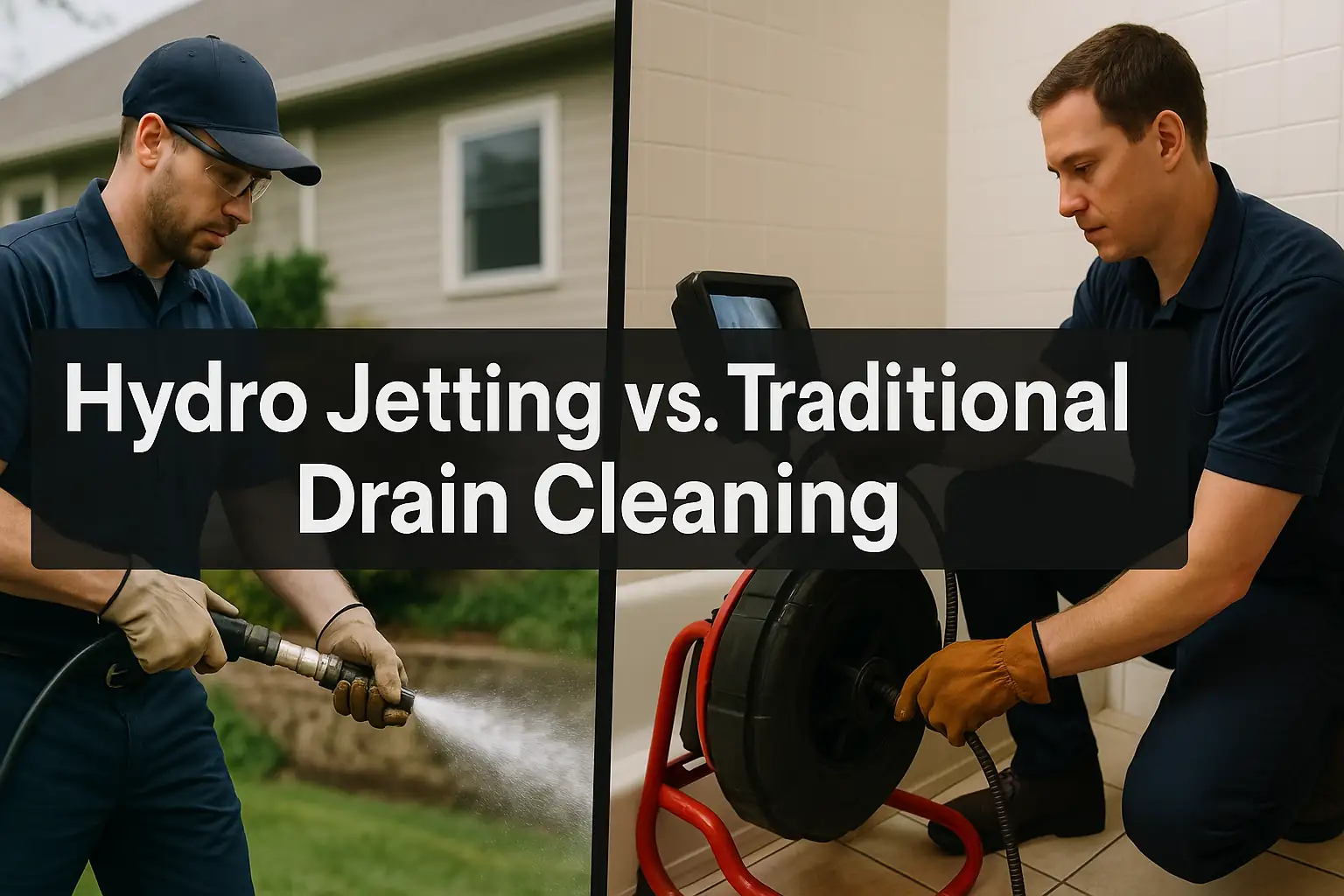
Hydro Jetting vs. Traditional Drain Cleaning: What Santa Cruz Homeowners Should Know
Plumbing issues are a frequent challenge for Santa Cruz homeowners, especially in our coastal environment where tree roots, grease buildup, and mineral deposits can wreak havoc on aging sewer lines. Whether you live in a hillside home in Felton or a beach cottage in Live Oak, clogs and slow drains can quickly escalate into costly repairs if not addressed correctly. That’s where choosing the right drain cleaning method becomes critical. Two of the most widely used techniques are hydro jetting and traditional drain snaking—each with its own strengths and ideal use cases. While both are effective at clearing blockages, they work in fundamentally different ways and offer varying levels of long-term protection for your plumbing system.
This blog is designed to help Santa Cruz homeowners make informed decisions by comparing hydro jetting and traditional drain cleaning side by side. We’ll break down how each method works, their pros and cons, cost differences, and when one might be better suited than the other for your home’s specific needs. If you’re unsure which method is right for your situation, Anytime Plumbing is here to help. We proudly serve Santa Cruz, Capitola, Aptos, Live Oak, Watsonville, and the surrounding communities with expert drain cleaning and inspection services tailored to local conditions.
What Is Traditional Drain Cleaning?
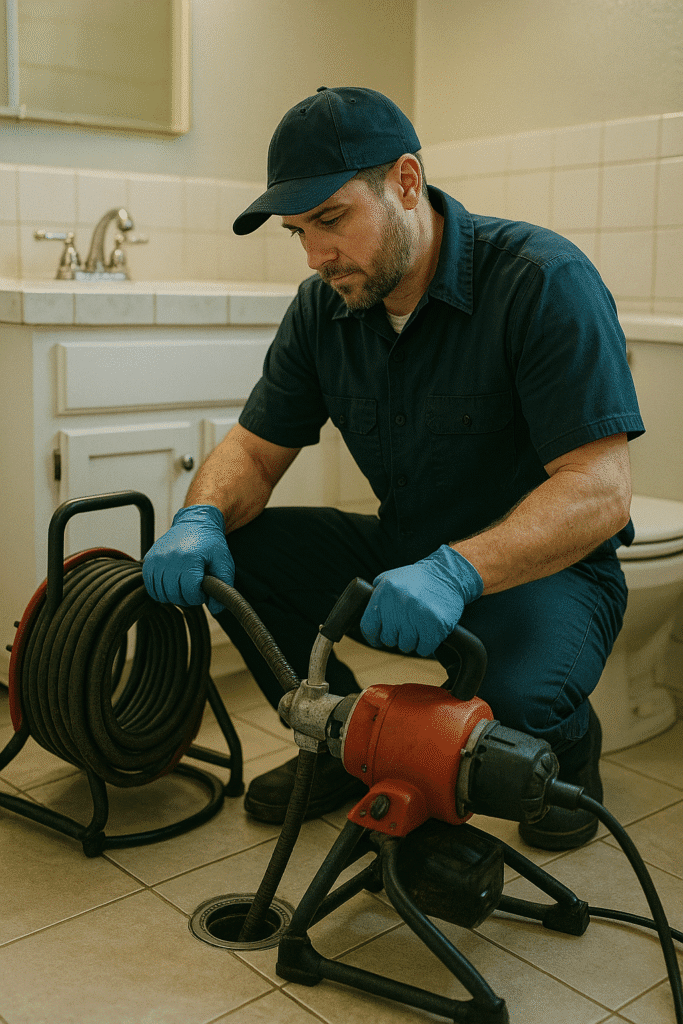
Traditional drain cleaning refers to tried-and-true methods like using plumbing snakes and augers to clear blockages. A plumber feeds the tool into the pipe and rotates it to break apart or hook onto the obstruction, allowing it to be pulled out or pushed through the line. This approach is especially effective for common household clogs caused by hair, grease, soap scum, or food particles. Snakes can be handheld for small drains or motorized for tougher clogs in larger pipes. One of the main advantages of traditional drain cleaning is its affordability and ability to deliver quick results, particularly for minor or isolated blockages. While it may not fully clean the pipe walls, it’s often sufficient for routine maintenance or shallow clogs, making it a popular choice for Santa Cruz homeowners dealing with everyday plumbing issues.
What Is Hydro Jetting?
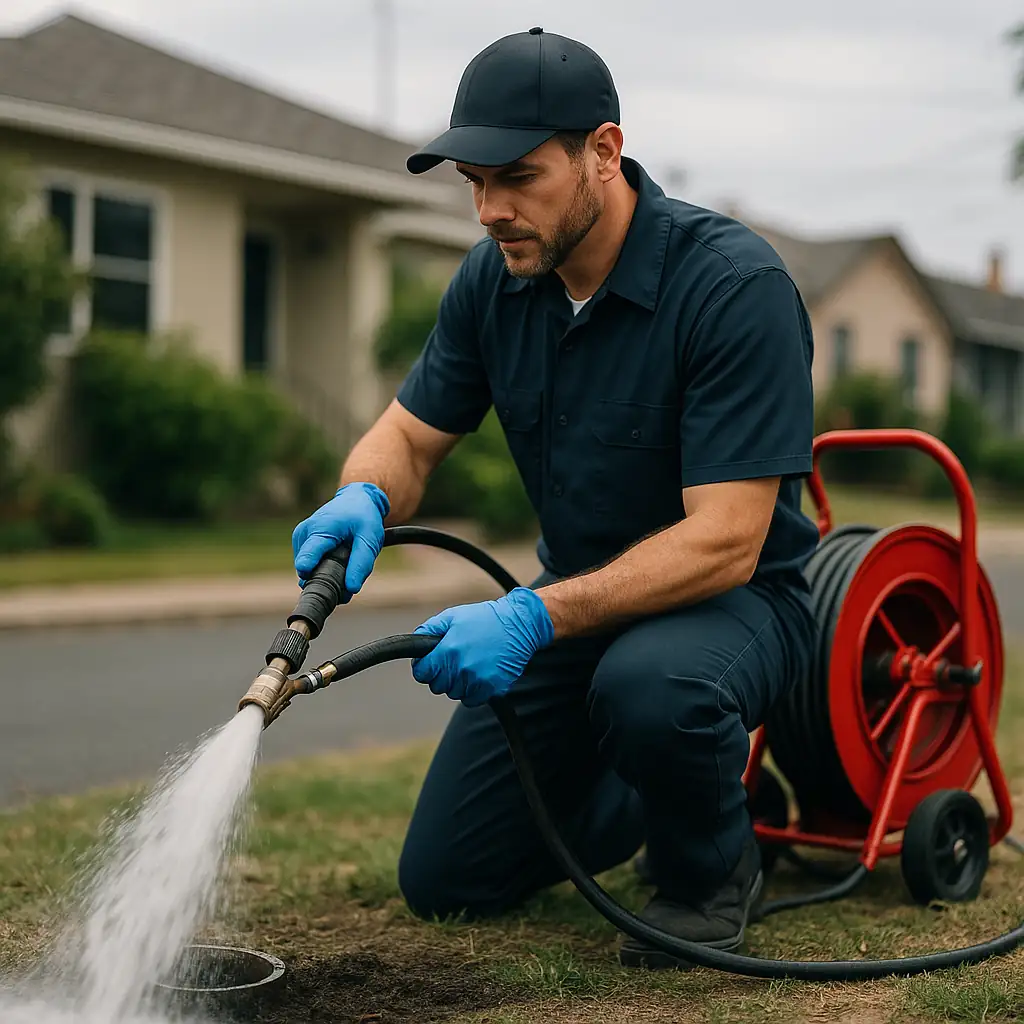
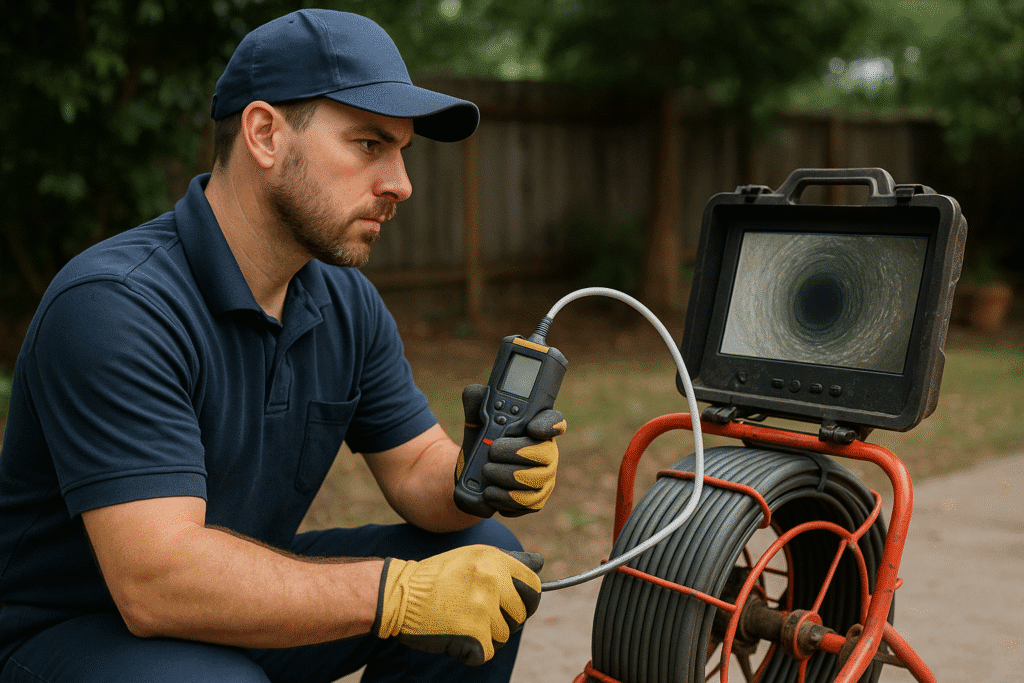
Hydro jetting is an advanced drain cleaning method that uses high-pressure water, often reaching up to 4,000 PSI, to clear pipes and restore flow. A plumber inserts a specialized nozzle into the line, which sprays pressurized water in multiple directions, thoroughly scouring the pipe walls. This technique is highly effective at removing stubborn blockages such as sludge, grease, mineral buildup, and even intrusive tree roots that are common in Santa Cruz neighborhoods with older sewer lines. Before hydro jetting, plumbers usually conduct a camera inspection to ensure the pipes are structurally sound, as the force of the water could damage fragile or cracked lines. Because of the equipment and expertise required, this is not a DIY solution—it must be handled by a licensed professional. Hydro jetting is ideal for homeowners facing deep, recurring, or persistent clogs that traditional methods can’t fully resolve.
Comparing Effectiveness: Which Method Works Better?
When it comes to effectiveness, traditional snaking and hydro jetting each serve a purpose. Snaking can quickly break up or remove blockages, but it often leaves residue clinging to the pipe walls. This leftover debris can lead to recurring clogs over time.Hydro jetting, on the other hand, delivers a far more thorough clean by blasting high-pressure water through the entire pipe interior. This process not only removes the obstruction but also clears grease, sludge, and buildup along the walls. In fact, hydro jetting can restore 90–95% of pipe flow capacity, making it a superior choice for long-term results. That said, hydro jetting isn’t suitable for every situation—it may damage old or fragile pipes. It’s best reserved for severe or recurring clogs, grease-heavy kitchen drains, commercial sewer lines, or pipes invaded by tree roots.
Cost Comparison: Which Method Saves Money in the Long Run?
For many Santa Cruz homeowners, cost plays a big role in deciding between traditional drain cleaning and hydro jetting. Traditional snaking is generally more affordable, with services ranging from $100–$250 depending on the location and severity of the clog. Hydro jetting, by contrast, typically costs $300–$600, with price varying based on pipe length and blockage severity. While the upfront cost of hydro jetting is higher, it often proves more economical in the long run by reducing the need for repeat visits. As one industry saying goes, “In areas like Santa Cruz with frequent coastal moisture and root intrusion, jetting once a year may prevent emergency repairs.” Homeowners should weigh short-term savings against long-term maintenance. It’s also important to note that major backups may not be covered by insurance if regular drain cleaning or preventative maintenance wasn’t performed.
When to Choose Each Method
Knowing when to use traditional drain cleaning versus hydro jetting can save both time and money.
Choose Traditional Drain Cleaning When:
- You’re dealing with a minor or one-time clog.
- Your pipes are old, fragile, or may not withstand high pressure.
- You need a quick, budget-friendly solution.
Choose Hydro Jetting When:
- Blockages are recurring or especially severe.
- Drains are clogged with grease, sludge, or invasive tree roots.
- You’re preparing pipes before a sewer line replacement or relining project.
In Santa Cruz, professional plumbers often begin with a camera inspection to determine pipe condition before recommending the right method. For long-term care, many homeowners opt for hydro jetting once a year as preventative maintenance to keep their drains clear and reduce the risk of emergency backups.
Local Plumbing Considerations in Santa Cruz
Santa Cruz homeowners face unique plumbing challenges shaped by the local environment. Coastal humidity, combined with older homes and tree-lined neighborhoods in Live Oak, Aptos, and Felton, makes root intrusion a common issue. Seasonal rainstorms can also overwhelm drains if pipes are already partially blocked, leading to backups and flooding. In areas like Watsonville and Scotts Valley, where sewer systems are aging, hydro jetting has become a preferred solution for restoring flow and preventing emergencies. An added advantage is its eco-friendly approach—it relies solely on pressurized water without the use of harsh chemicals. Anytime Plumbing provides both hydro jetting and traditional drain cleaning, helping homeowners choose the method best suited to their neighborhood and specific pipe conditions.
Final Thoughts: Invest in the Right Drain Cleaning Method
Both hydro jetting and traditional drain cleaning have their place, depending on the type of clog and the condition of your pipes. Regular maintenance is key to preventing costly backups, especially in coastal areas like Santa Cruz where rain and root intrusion are common. Hydro jetting delivers deep, long-lasting cleaning, while snaking provides fast, affordable relief for smaller issues. The best step is to schedule a professional inspection and get expert advice tailored to your home’s needs. Serving Santa Cruz, Soquel, Ben Lomond, Capitola, and surrounding cities.
Frequently Asked Questions
Hydro jetting is safe for most modern pipes like PVC and copper. Older or damaged pipes may be at risk, so a professional inspection is recommended before cleaning.
Hydro jetting can cut through small to moderate tree root intrusions. However, extensive root growth may require mechanical removal or further repairs to prevent recurring blockages.
Hydro jetting is generally safe for most modern metal and PVC pipes, but older or fragile pipes, like clay or cast iron, may require inspection first. A professional plumber can assess your pipes and determine if hydro jetting is appropriate without causing damage.
Severe clogs sometimes require hydro jetting instead of basic snaking. This method uses high pressure water to clear grease, roots, and buildup from pipes, which often requires specialized equipment and additional service time.