

How Do I Know If My Faucet Cartridge is Bad?
- By: Amer ZaghloulehUncategorizedComment: 0
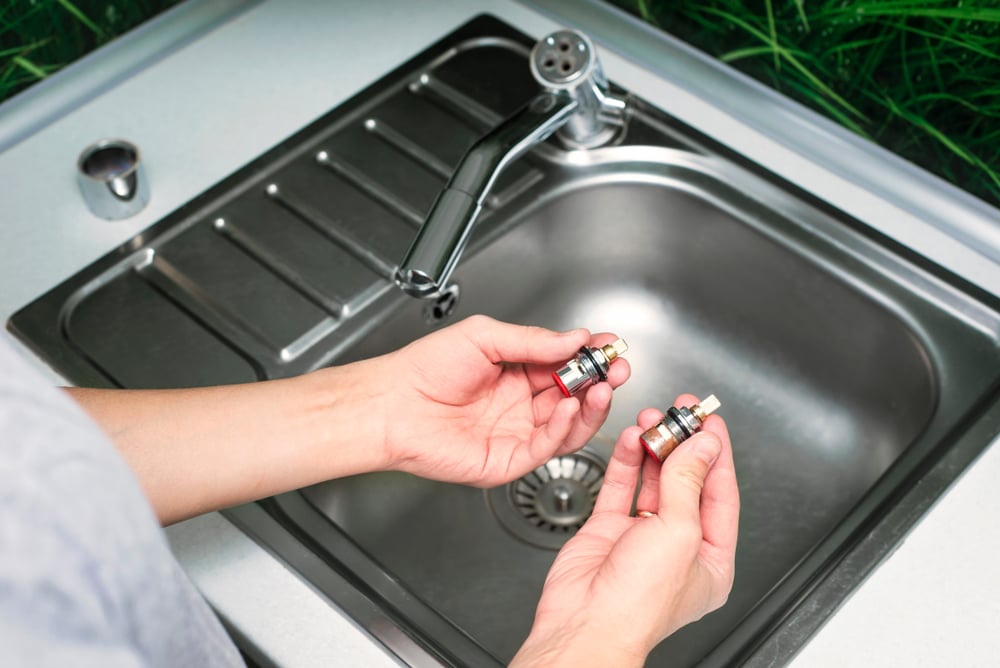
How Do I Know If My Faucet Cartridge is Bad? Commonly used in both kitchens and bathrooms, cartridge faucets are a form of washerless fixture that is designed to make repairs and replacements easy. These faucets come in both single-lever and two-handle options, and various models use different types of brass or plastic cartridges. With single-handle faucets, operating the handle causes the cartridge to raise and lower inside of the faucet body – which results in the flow of water stopping or starting. Both cold and hot water flow into the same cartridge.
Two-handle cartridge faucets, on the other hand, feature two cartridges. One controls the hot water and the other controls the cold water in a similar fashion as single-handle models. The cartridge’s main purpose is to mix the cold and hot water streams, regulate the intensity, and ensure uninterrupted operation of the fixture.
Regardless of the type of cartridge faucet you have, you may be wondering how to know if a faucet cartridge is bad. Well, we’re here to help! Let’s go over some of the most prevalent signs that a faucet cartridge has gone bad, along with how long they last, and the steps to replace a faulty cartridge when it’s time.
Signs Faucet Cartridge is Bad
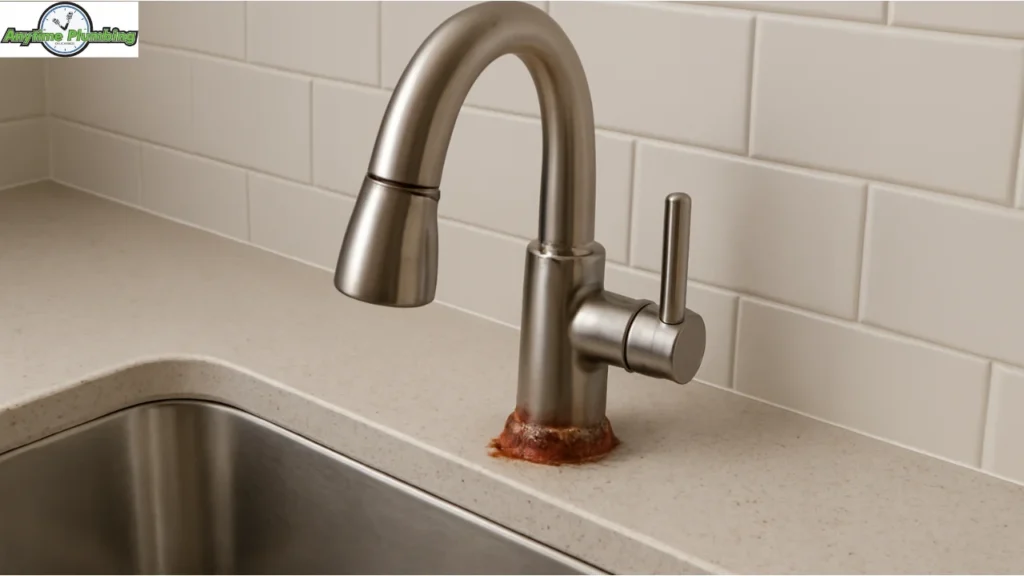
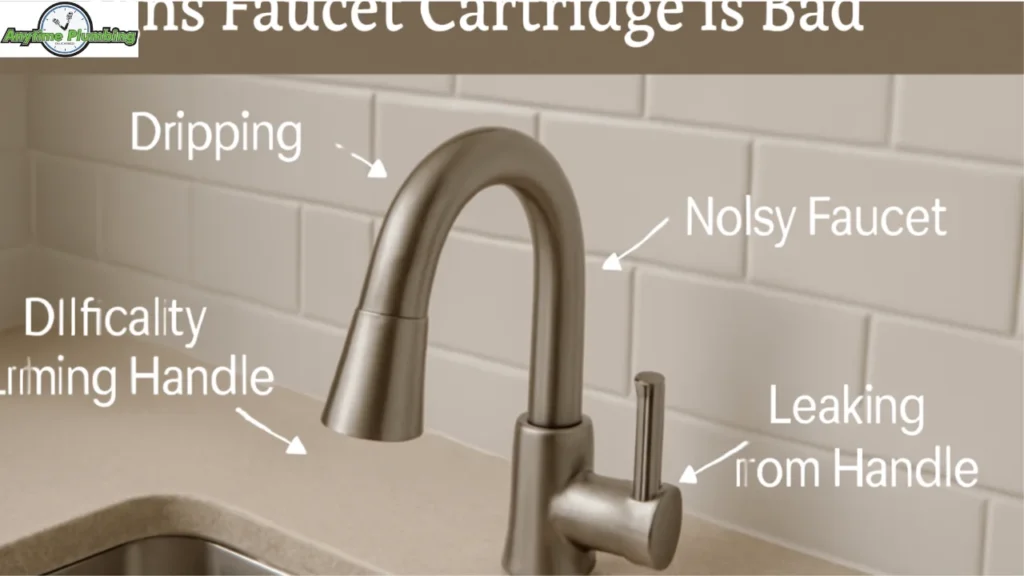
One of the strongest indications that a faucet cartridge has gone bad is when you have water leaking under the handle, the nut, or the valve. In these instances, it’s likely that the lever won’t function properly and it may become stuck in an unfavorable position. A dripping faucet could also mean that the cartridge needs to be replaced.
Generally speaking, a faucet cartridge is bad when you notice that it becomes difficult to adjust the water temperature. In extreme situations, you might have cold water entering the hot water outlets (and vice versa). Another sign is when the stream isn’t strong enough, even with normal water pressure in the system.
How Long Do Faucet Cartridges Last?
Both kitchen and bathroom faucets have a lifespan of between 15 and 20 years. This means that the cartridge these faucets come with have a similar lifespan. However, how long the cartridge actually lasts depends on a number of factors including the construction of the faucet and water quality. Proper maintenance can prolong the lifespan, while poor maintenance will necessitate a replacement sooner.
Regardless, keep a look out for some of the signs that your cartridge has gone bed. Oftentimes, the cartridge will go bad and need replacing before the entire faucet does.
How to Replace Faucet Cartridge
If you notice that your faucet is leaking, feel the water to find out whether the hot or cold side is the culprit (unless you have a single-handle faucet). You’ll only need to replace the cartridge on the side of the faucet that is leaking. In some instances, both sides might be leaking and you’ll need to replace both. With that said, follow these steps to replace your faucet cartridge(s):
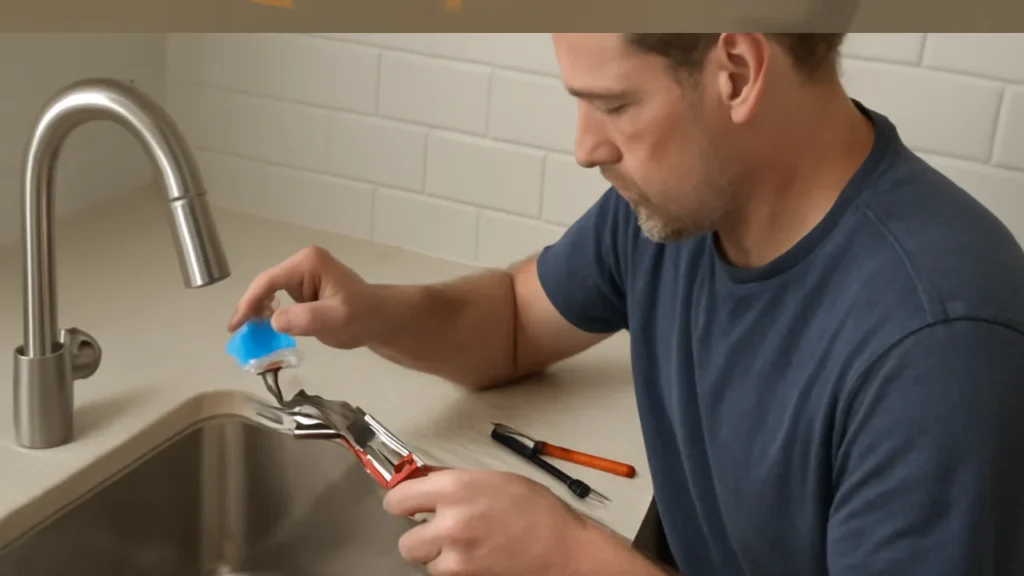
- Shut off the water supply. To begin, find the shutoff valves under the sink and close the valve for the tap that you’ll be working on by rotating the handle clockwise until the water stops. If your home doesn’t have shutoff valves under your sink, you’ll want to turn off the water supply to your entire home at the main shutoff valve.
- Remove the handle of the faucet. Depending on your faucet, it may have a decorative cap that hides screws securing the handle in place or a removable lever that unscrews from the base of the handle.
- Unscrew the retaining nut. Use a pipe wrench or tongue-and-groove pliers to loosen the retaining nut on the cartridge. Then, remove from the faucet body. If you notice a brass screw at the top of the cartridge, you may need to remove it and repurpose it on the new cartridge.
- Take out the old faucet cartridge. Make a mental note of how the current cartridge is oriented, as the new one needs to be installed the exact same way. Remove the cartridge from the faucet body, by pulling it straight up.
- Purchase a replacement cartridge. Consider taking the old cartridge with you to your local home center to find an exact replacement.
- Install the new faucet cartridge. If necessary, start by replacing the small brass screw on the top of the cartridge. Insert the new cartridge into the faucet body with the same positioning as the original cartridge. Push the cartridge into the housing to ensure a snug fit.
- Finish up. Replace the retaining nut and tighten to secure the cartridge in place. Reinstall the handle of the faucet and the decorative cap, if applicable. Turn the water supply back on by rotating the shutoff valve counterclockwise and test the faucet for proper functionality.
Have more questions about how to know if a faucet cartridge is bad? Give us a call today! Anytime Plumbing is a licensed, bonded, and experienced plumbing company that has been serving the Santa Cruz area, and beyond, for many years. Our expert technicians are available 24/7 for all your Santa Cruz plumbing needs.
Frequently Asked Questions
You can usually tell a faucet cartridge needs replacing if you notice leaks, inconsistent water temperature, low pressure, or difficulty turning the handle. Strange noises or dripping even when off are also clear signs. Observing these issues over time often confirms a worn cartridge.
Signs of a damaged cartridge in a single-handle faucet include leaking water from the spout, difficulty controlling water temperature, inconsistent water flow, or a handle that feels stiff or loose. Unusual noises when turning the handle can also indicate the cartridge needs replacement.
The lifespan of a faucet cartridge depends on water quality, frequency of use, and the type of cartridge. On average, most cartridges last between five and ten years. Hard water can cause mineral buildup that wears out the cartridge faster. Signs that the cartridge is nearing the end of its life include a faucet that drips even after tightening, difficulty turning the handle, or inconsistent water temperature. Regular cleaning and occasional inspection can help extend the life of the cartridge and prevent unexpected leaks.
Emergency repairs for a faulty faucet cartridge often cost between $100 and $300 depending on parts and labor. After-hours or urgent calls may raise the price since plumbers often charge higher emergency service rates.