


Toilets Use the Most Water—Here’s How to Cut That in Half
Toilets quietly account for the biggest share of indoor water use—roughly one-quarter to one-third of what a typical home consumes every day. In a coastal, conservation-minded place like Santa Cruz, that’s a big opportunity hiding in plain sight. The good news: you don’t need to sacrifice performance or comfort to make a serious dent in that number. Modern WaterSense-labeled toilets use 1.28 gallons per flush or less, and a simple flapper replacement can stop silent leaks that waste up to 200 gallons a day.
This guide shows exactly how to cut your toilet water use by as much as 50% with a mix of smart upgrades and small habit shifts. We’ll cover which models to choose (and why), how to spot and fix the leaks that erase savings, when dual-flush actually pays off, and what quick retrofits help if you’re not ready to replace today.
Why Toilets Matter Most in Santa Cruz
Inside most homes, bathrooms lead indoor consumption—and toilets alone typically account for about 25–30% of daily use. That means every inefficient flush and every silent leak has an outsized impact on your bill. In Santa Cruz, where conservation is part of coastal life and tiered rates reward efficiency, permanent fixes beat temporary habits. Replacing legacy 3.5–7.0 gpf fixtures with high-efficiency models (1.28 gpf or less) locks in savings every day, while a simple flapper or fill-valve tune can stop invisible losses that add up fast. Layer in smart habits—like using the light flush on dual-flush models—and your numbers improve even more. We’ll show you swaps + habits that halve the toilet portion of your bill in many homes.
The Big Win: Replace Old High-GPF Toilets
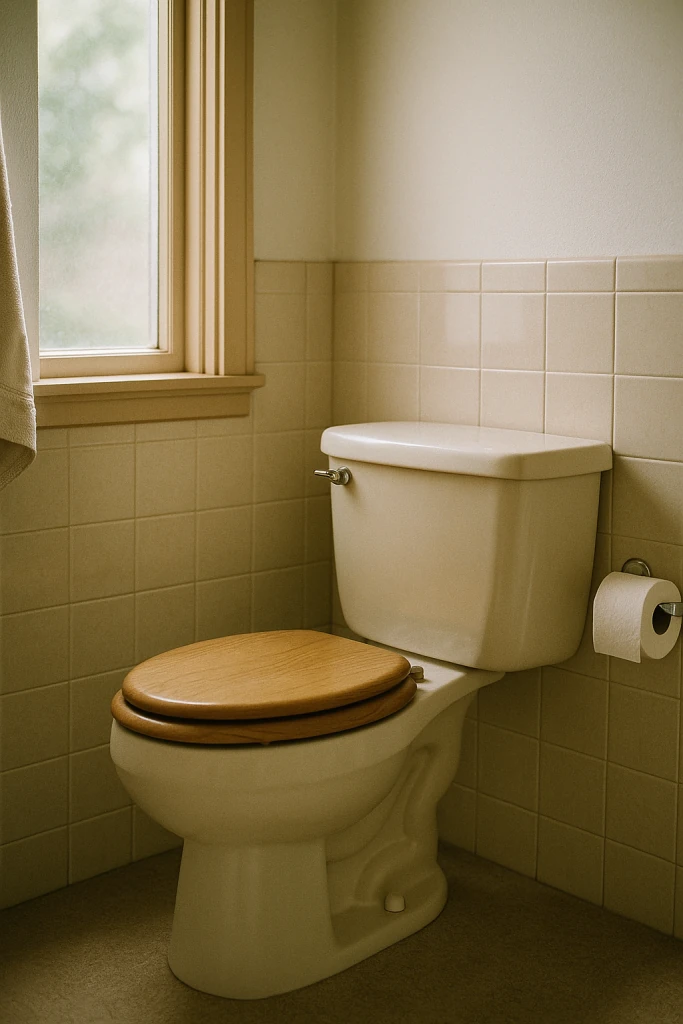
If your home still has pre-1994 toilets, every flush likely uses 3.5–7.0 gallons—water you’ll never see again. The 1994 federal shift brought most toilets to 1.6 gpf, and today’s high-efficiency models (HET) use 1.28 gpf or less. Ultra-high-efficiency options (UHET) go even lower, around 1.0–1.1 gpf, turning a routine flush into a built-in savings move without changing how you live.
Look for the WaterSense label: it signals independent testing for performance and efficiency, using at least 20% less water than the 1.6 gpf baseline while still clearing the bowl. Swap an older fixture for a modern HET/UHET and a typical family can save around 13,000 gallons a year. In Santa Cruz, that’s a permanent, code-friendly improvement that lowers bills in every season and reads well at resale. Newer designs—fully glazed trapways, smarter bowl rinse—mean fewer clogs and fewer “insurance” re-flushes. Anytime Plumbing can help you choose proven models, install them correctly, and haul the old ones away.
Pick the Right Model
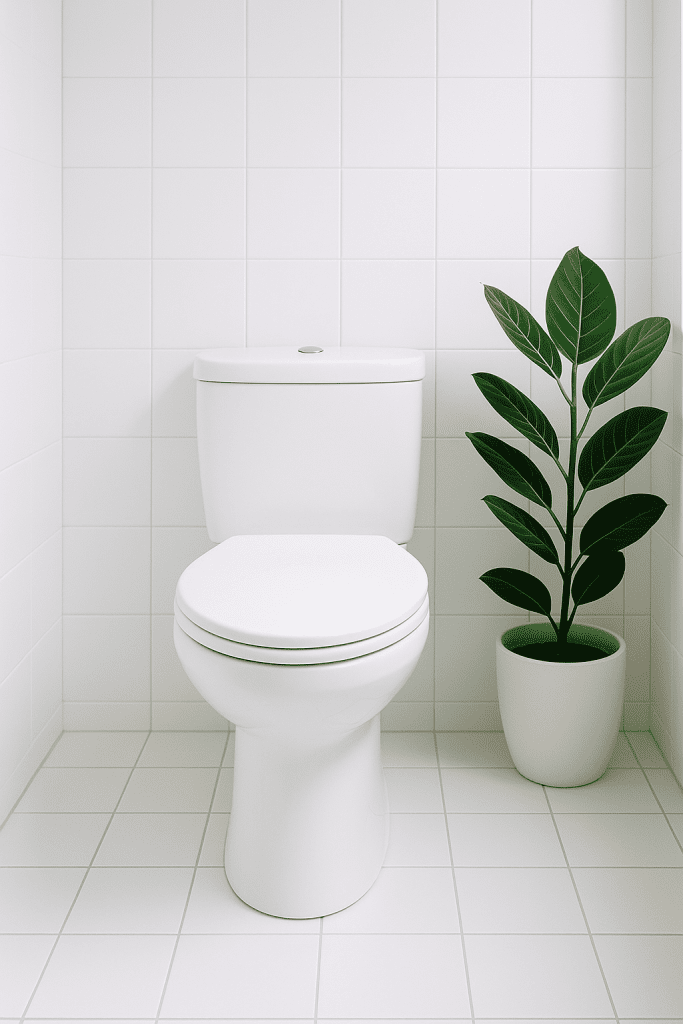
High-Efficiency Toilets (HET) use 1.28 gpf or less; Ultra-HETs (UHET) trim that to roughly 1.0–1.1 gpf. UHETs squeeze out a bit more savings, but only if the design clears the bowl reliably. Look for strong bowl-rinse geometry, a fully glazed, well-sized trapway, and high independent performance scores so you don’t end up double-flushing.
Single vs dual-flush comes down to behavior. Dual-flush pays off when everyone uses the light flush for liquids and the full flush for solids; if guests or kids always hit “full,” the advantage fades. For simplicity and consistency, many families choose a quality single-flush HET at 1.28 gpf.
Pressure-assist delivers a powerful, efficient flush but is louder and has more specialized parts; gravity is quieter, simple, and easy to service. Quick check before you buy: confirm the WaterSense label and that common parts (flappers, fill valves) are readily available to keep efficiency intact over time.
Stop Silent Leaks
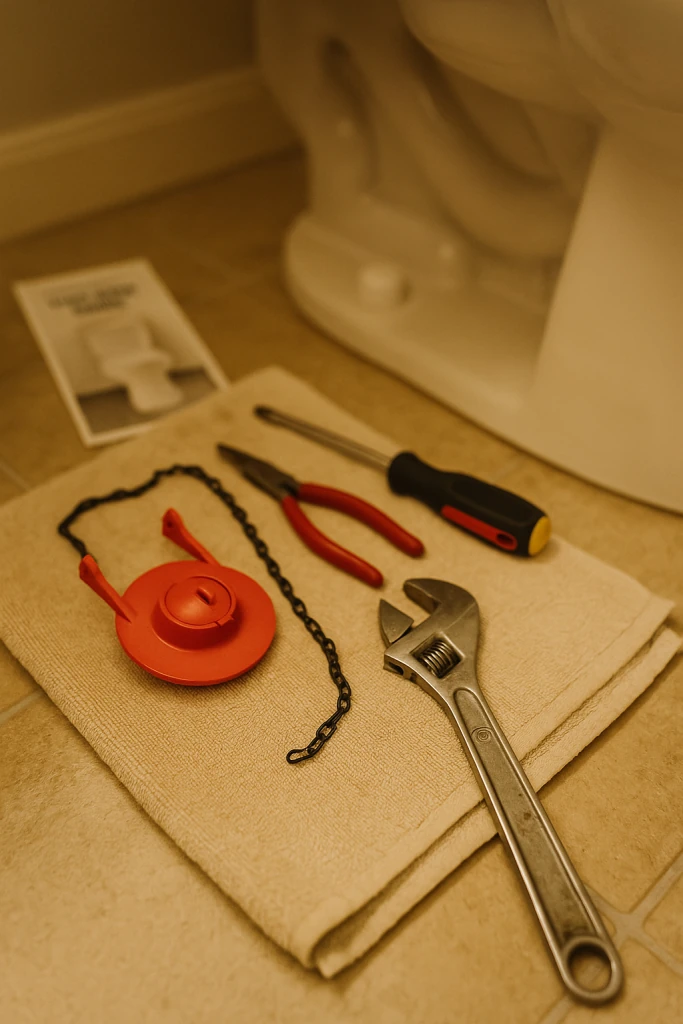
A running or leaking toilet can waste around 200 gallons a day—often without a sound. The usual culprit is a worn flapper that no longer seals the flush valve. Plan to replace it about every five years (or sooner if it looks warped, cracked, or tacky). Mis-set or aging fill valves also cause “phantom” refills, hissing after the tank stops, and mineral lines inside the tank or bowl.
Food-coloring test (2 minutes): lift the tank lid, add 5–10 drops of food coloring, and wait 15–30 minutes without flushing. If colored water appears in the bowl, your flapper is leaking. If the bowl stays clear but you hear periodic refills, adjust or replace the fill valve. The fix is simple and cheap: a $10–$20 flapper or a quick fill-valve tune restores a tight seal, stops the waste, and preserves your efficiency gains.
Smarter Everyday Habits
- Use the light/half flush for liquids and the full flush for solids on dual-flush models.
- Skip “courtesy” second flushes—most modern bowls are designed to clear in one.
- Keep the lid down before flushing (better hygiene and fewer “double-flushers”).
- Don’t use the toilet as a trash bin: tissues, wipes, paper towels, cotton swabs, and hair trigger extra flushes and clogs.
- Label buttons or add a tiny note: “If it’s liquid, light flush.” Teach kids which button is which.
- Press and release the handle as designed—no holding it down unless your model requires it.
- Do a quick monthly leak check; fix phantom refills right away.
Retrofit Options If You Can’t Replace Today
- Install a model-matched flapper; set the chain with ¼–½ inch slack for a clean seal.
- Adjust the fill valve and float to the tank’s waterline mark; replace a noisy or slow valve.
- Clean rim jets and the siphon jet to restore first-flush power; descale gently to avoid seal damage.
- Align and tighten tank-to-bowl hardware; replace a wobbly seat for proper sitting/aiming.
- Keep the bowl and trapway clean—better clearance means fewer re-flushes.
- Avoid drop-in tank tablets/bricks and aftermarket displacement gadgets; they can degrade parts and reduce performance.
- Use manufacturer-approved parts only, so efficiency stays intact and repairs remain simple.
Santa Cruz Specifics: Rebates, Codes & Disposal
In California, the effective flush volume for new toilets is capped at 1.28 gpf, which means efficient models are the default on store shelves. For Santa Cruz homeowners, that makes shopping simpler—and it aligns with local conservation goals. Before you buy, check current rebate availability and requirements (model eligibility, purchase window, proof of installation), then keep your receipt and the box label with the model number for your application. If you’re replacing multiple toilets, submit all units at once to streamline paperwork. When it’s time to remove the old fixture, follow local recycling/disposal guidelines; many centers require bowls to be free of wax and hardware. Anytime Plumbing can help you choose a compliant model, handle professional installation, manage haul-away, and point you to any active incentives.
What Will I Save? Quick Math & ROI
Sample math for a three-person home: assume five flushes per person per day (15 total). An older 3.5 gpf toilet uses about 52.5 gallons/day (3.5 × 15). A high-efficiency 1.28 gpf toilet uses about 19.2 gallons/day (1.28 × 15). That’s roughly 33 gallons saved per day—about 12,000 gallons per year—for one bathroom. Multiply by two or three fixtures and the impact grows fast. Your bill savings depend on your water/sewer rates; plug in your current per-unit charges to estimate payback. Important: a single undetected leak can waste far more than you save, so pair any upgrade with a quick dye test and fresh flapper. Replace, then maintain—that’s how the ROI sticks.
Installation Pro Tips (DIY vs Pro)
DIY the small stuff: swap a worn flapper, adjust/replace a fill valve, set the chain/float, and do a quick dye test. Call a licensed plumber for full replacements—wax ring, flange level, shutoff condition—multi-bath upgrades, aging supply valves, or a wobbling bowl. Remodeling or relocating a toilet? Check permit requirements, and confirm venting, trap arm, and clearances before you open walls.
Cut Toilet Water Use in Half—Starting This Week
Toilets are where savings add up fastest. Upgrading from 3.5–7.0 gpf to WaterSense HET/UHET locks in permanent reductions, while a $10–$20 flapper and a two-minute dye test stop the invisible waste. Pair the right model (single or dual-flush used correctly) with simple habits—light flush for liquids, lid down, no “courtesy” refills—and you’ll see measurable drops on your bill. In Santa Cruz, that’s smart for drought resilience and rates. If you’re ready, Anytime Plumbing can help you select, install, and haul away old fixtures, or tune the ones you have. Start with one bathroom this week; the savings will follow every flush.
Frequently Asked Questions
Modern high-efficiency toilets use as little as 1.28 gallons per flush compared to older models that use 3–5 gallons, reducing household water usage by thousands of gallons per year and helping meet Santa Cruz water conservation goals.
Installing a dual flush toilet or a high efficiency model can significantly lower water use. Adjusting the tank fill level and checking for hidden leaks also helps prevent unnecessary water waste over time.