

How Real-Time Water Monitoring Helps Prevent Winter Plumbing Disasters in Santa Cruz County
Santa Cruz County’s diverse landscape creates plumbing challenges that many homeowners don’t notice until a problem becomes serious. Coastal neighborhoods like Santa Cruz, Live Oak, and Capitola face constant moisture exposure, aging sewer lines, and shifting ground during the winter months. At the same time, redwood and mountain communities such as Ben Lomond experience higher rainfall, saturated soil, and long underground water lines that are more vulnerable to movement and hidden leaks.
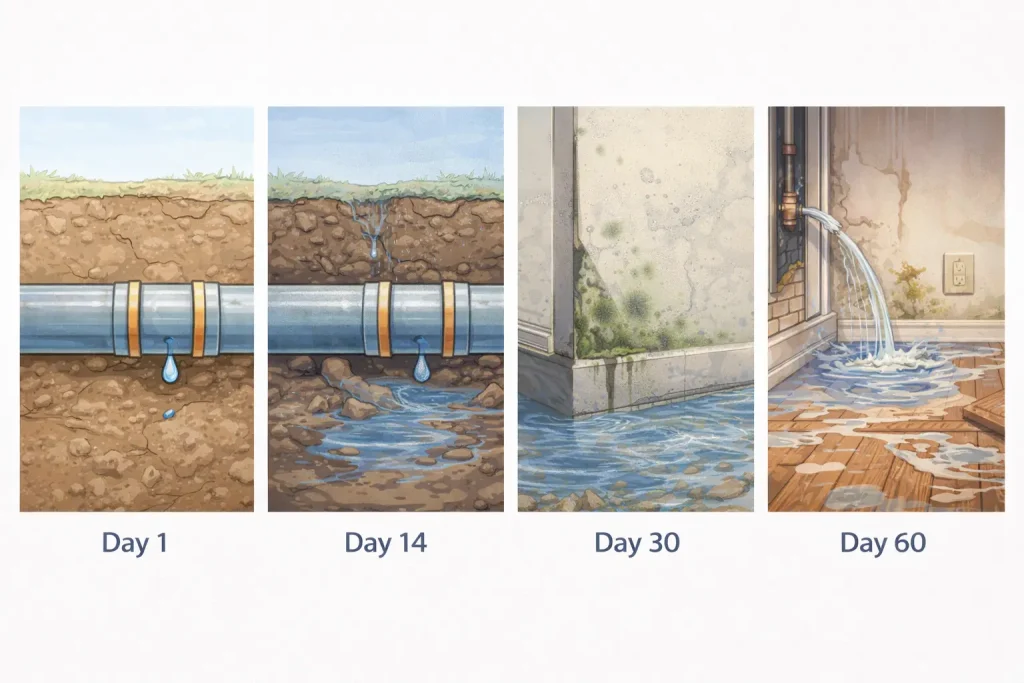
Winter storms and periods of heavy rain place additional stress on plumbing systems across the county. As soil becomes saturated, underground pipes can shift, joints can loosen, and small leaks may begin without any visible signs inside the home. Older houses with original plumbing infrastructure are especially susceptible, as minor weaknesses can quickly turn into costly water damage if left undetected.
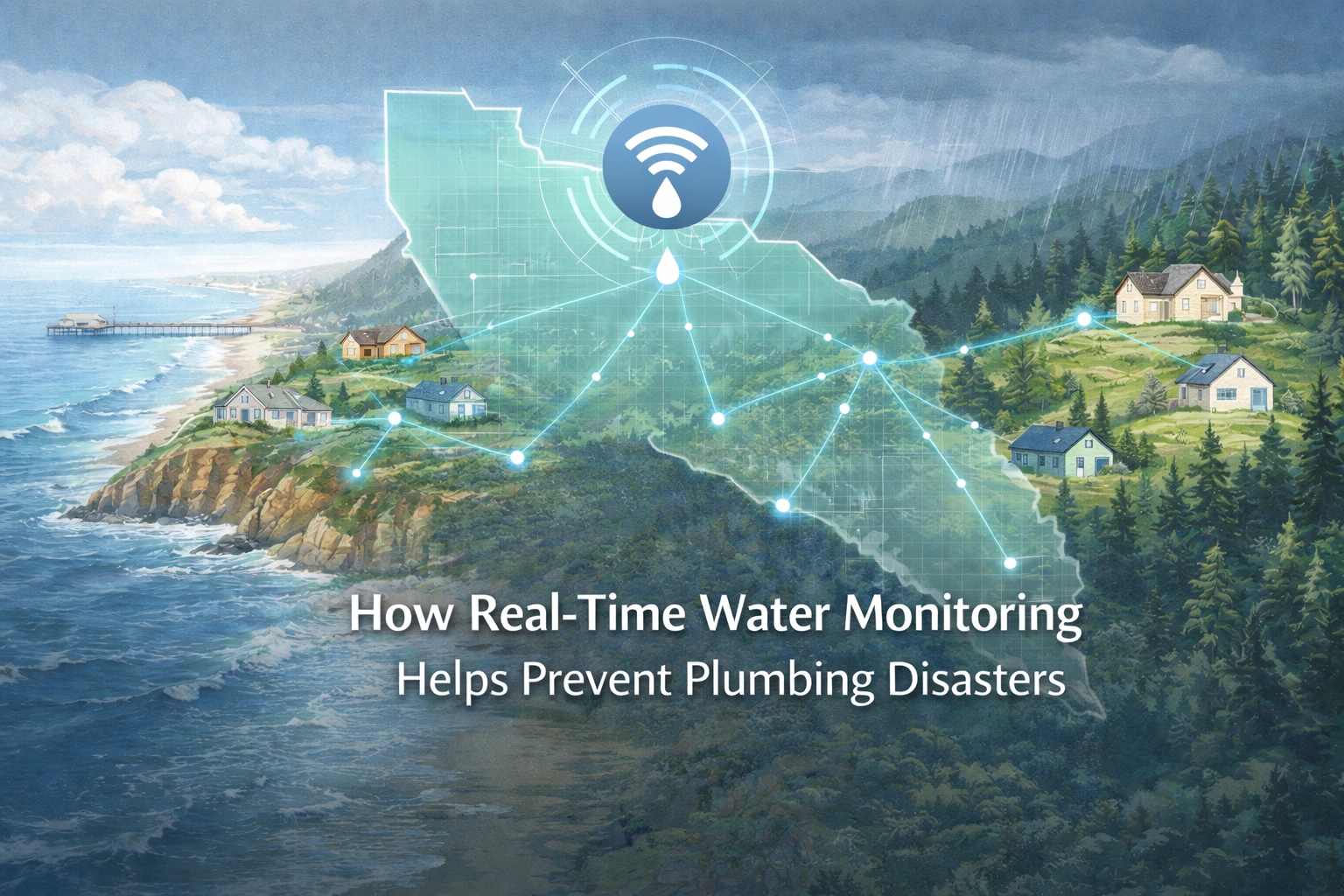
Real-time water monitoring helps address these risks by providing continuous insight into how water moves through a home’s plumbing system. Rather than waiting for an emergency or visible damage, monitoring allows homeowners to identify unusual water usage or pressure changes early—often before a plumbing issue escalates into a major repair or an emergency service call.
What Is Real-Time Water Monitoring?
Real-time water monitoring is a preventative approach to plumbing care that continuously tracks how water moves through a home’s plumbing system. Instead of relying on occasional inspections or waiting for visible signs of a leak, this technology provides ongoing insight into water flow, pressure, and usage patterns throughout the day and night.
Small sensors installed within the plumbing system monitor water activity in real time. When unusual behavior is detected—such as continuous water use when no fixtures are running, sudden pressure changes, or irregular flow patterns—the system can alert the homeowner to a potential issue. These early alerts help identify leaks that may otherwise go unnoticed inside walls, beneath slabs, or underground.
Real-time water monitoring typically tracks:
- Water flow patterns to identify abnormal or continuous usage
- Pressure changes that may signal leaks or stress on pipes
- Continuous water use when no appliances or fixtures are active
- Unexpected activity during overnight hours or when the home is unoccupied
Unlike traditional plumbing inspections, which provide only a snapshot of system conditions, real-time water monitoring works continuously. While an inspection can confirm that plumbing is functioning properly on a specific day, continuous monitoring watches for subtle changes over time—helping homeowners address small issues early and reduce the risk of unexpected plumbing damage.
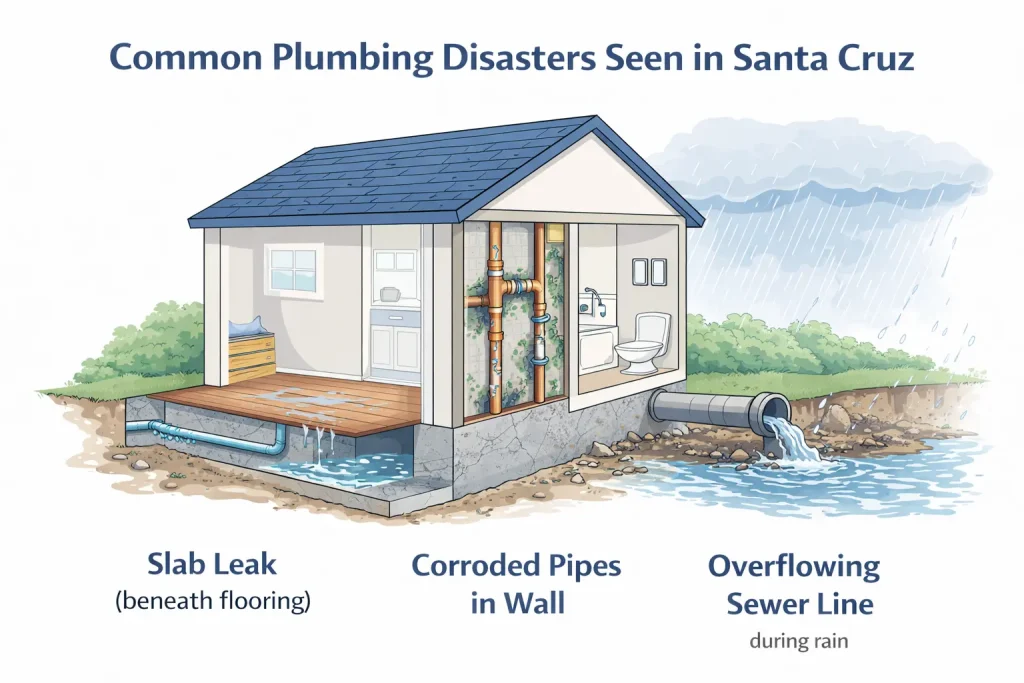
Common Plumbing Disasters Seen Across Santa Cruz County Homes
Plumbing problems in Santa Cruz County often start small and remain hidden until damage becomes noticeable. Local conditions play a major role in how and where these issues develop.
Hidden slab leaks in older homes
In neighborhoods throughout Santa Cruz and Soquel, many homes still rely on aging pipes beneath concrete slabs. Over time, these pipes can weaken and develop slow leaks below the surface. Because the water stays out of sight, damage can build gradually before homeowners realize there is a problem.
Moisture-related pipe corrosion in coastal areas
Coastal communities like Capitola and La Selva Beach face constant exposure to moisture and salt air. This environment accelerates pipe corrosion, especially in older plumbing systems. Small pinhole leaks or joint failures often form inside walls or crawl spaces, where they’re easy to miss.
Sewer backups after heavy rain
In lower-lying areas such as Watsonville, winter rain can overwhelm aging sewer laterals. Saturated soil and increased runoff place extra stress on underground lines, sometimes leading to backups that affect multiple fixtures at once.
Long supply line failures in mountain properties
Homes located in hillside or mountain areas frequently rely on long underground water lines. These lines are more vulnerable to soil movement, pressure changes, and undetected leaks—making early detection especially important.
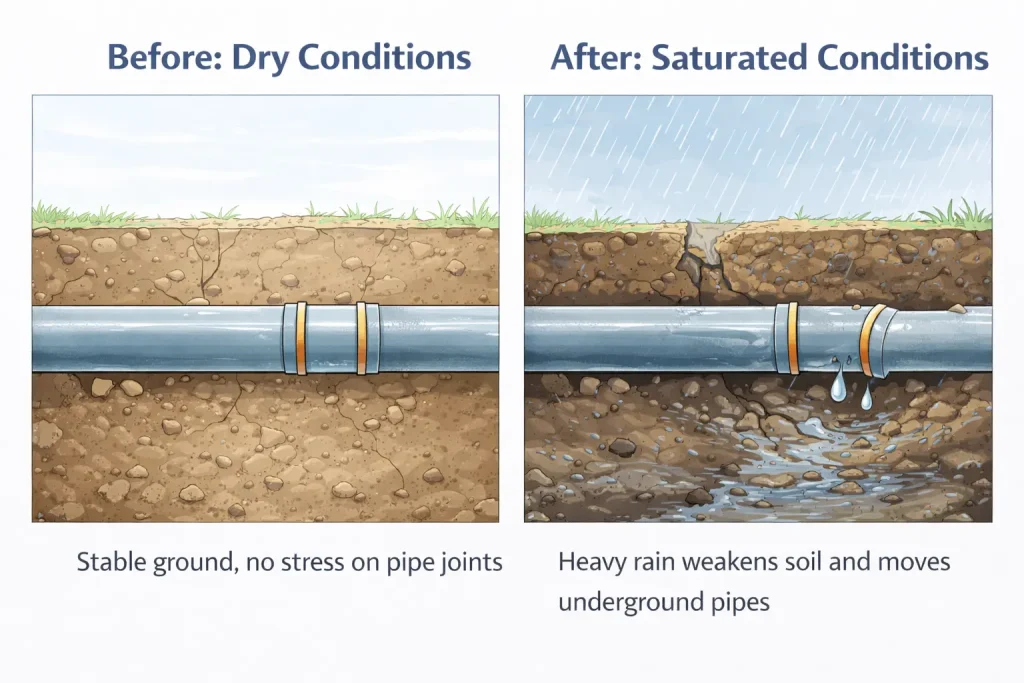
How Winter Storms & Heavy Rain Increase Plumbing Failure Risk
Winter storms are a regular part of life in Santa Cruz County, and repeated periods of heavy rain can quietly strain residential plumbing systems. When soil becomes saturated, it expands and shifts, placing added pressure on underground pipes, sewer laterals, and long water supply lines.
Saturated soil and underground pipe movement
As rainwater accumulates in the ground, soil movement can cause pipes to flex or settle unevenly. Even small shifts may loosen joints or create hairline cracks, especially in older plumbing systems. These issues often develop underground, where early signs are easy to miss.
Pressure changes during and after storms
Heavy rainfall can also affect water pressure. Sudden changes in pressure may stress weak points in pipes, increasing the risk of leaks forming during or shortly after storm systems pass.
Coastal flooding and drainage stress
In coastal areas such as West Cliff, storm runoff combined with high tides can temporarily overwhelm drainage and sewer systems. This added load increases the chance of sewer backups or slow drainage problems in nearby homes.
Why real-time monitoring matters during storm season
Real-time water monitoring helps identify abnormal water flow, continuous usage, or pressure changes during and after storms. By detecting these patterns early, homeowners can address developing issues before minor storm-related stress turns into significant plumbing damage.
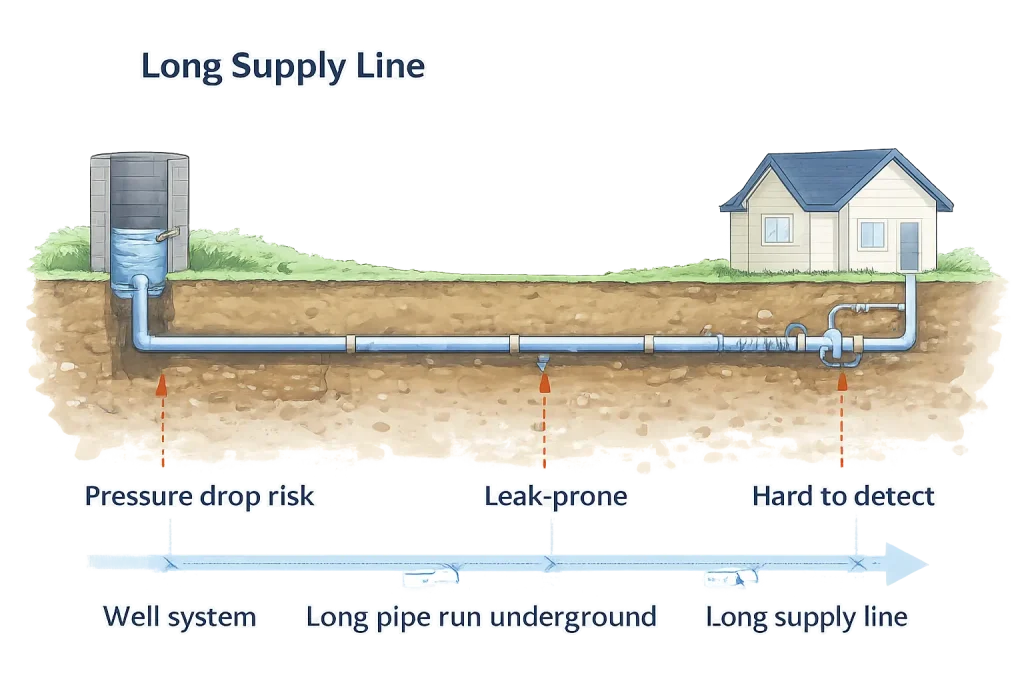
Plumbing Challenges in Redwood & Mountain Communities
Homes in Santa Cruz County’s redwood and mountain regions face plumbing conditions that are very different from those in coastal or urban neighborhoods. Areas such as Ben Lomond, Boulder Creek, Bonny Doon, Felton, and Scotts Valley typically receive higher rainfall, especially during winter storms, which increases stress on underground plumbing systems.
Higher rainfall and saturated ground
Mountain terrain absorbs more rainfall, leading to prolonged soil saturation. This added moisture can weaken pipe bedding and create subtle movement around underground lines, increasing the likelihood of small leaks forming over time.
Steep slopes and pipe movement
Many mountain homes sit on sloped terrain, where gravity and shifting soil place constant pressure on plumbing lines. Even minor ground movement can strain pipe joints, particularly on long runs connecting homes to water sources.
Long underground lines and well systems
Unlike urban homes, many mountain properties rely on extended underground supply lines or private well systems. These long runs make leaks harder to spot, as water may escape far from the home without immediate surface signs.
Delayed visibility of plumbing issues
Because plumbing is spread out and often buried deep, leaks in mountain areas may go unnoticed until water pressure drops or damage becomes more severe. Real-time water monitoring is especially valuable in these environments, as it helps detect abnormal flow and pressure changes early—before a hidden issue escalates into a costly repair.
Coastal Homes, High Tides & Sewer System Stress
Coastal neighborhoods in Santa Cruz County experience plumbing challenges that are closely tied to moisture, tides, and storm-driven runoff. Areas such as West Cliff, Santa Cruz, Capitola, and Live Oak often rely on aging sewer laterals that must handle both everyday wastewater and increased flow during periods of heavy rain.
Coastal moisture and sewer lateral stress
Constant exposure to moisture can weaken sewer lines over time. When the ground becomes saturated during storms, older sewer laterals may struggle to handle the added load, increasing the risk of slow drainage or backups.
Salt air and pipe corrosion
Salt carried in coastal air accelerates corrosion in metal pipes and fittings. This gradual breakdown can create weak points in sewer and drain systems, especially in older homes, where corrosion may remain hidden until performance issues appear.
Backflow and drainage overload during storms
Heavy rainfall combined with high tides can temporarily overwhelm drainage systems. This can slow wastewater flow and increase backflow risk, particularly in low-lying coastal areas.
Monitoring as an early warning system
Real-time water monitoring helps identify abnormal flow patterns that may signal drainage stress or sewer issues. Early detection allows homeowners to address developing problems before coastal conditions contribute to more serious plumbing damage.
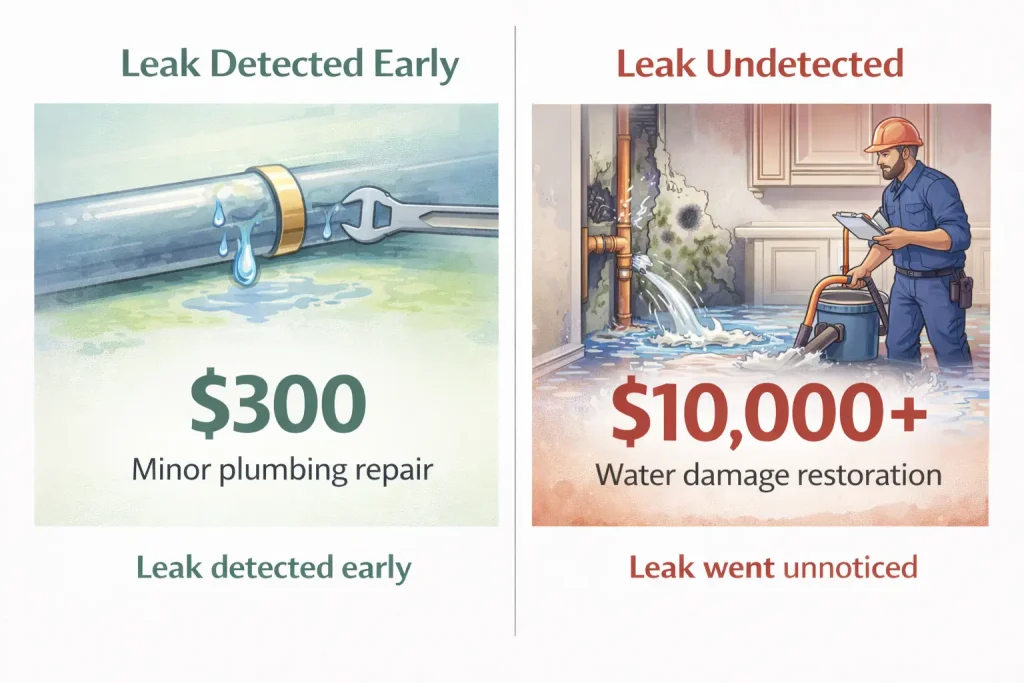
How Real-Time Water Monitoring Prevents Costly Plumbing Disasters
Plumbing disasters rarely happen without warning. In most cases, small changes in water behavior appear long before visible damage occurs. Real-time water monitoring helps bring those early signs to light, allowing homeowners to act before a minor issue escalates.
Key ways real-time water monitoring helps prevent damage include:
- Detecting continuous water flow
Monitoring systems can identify when water continues to run even though no fixtures are in use. This often signals hidden leaks inside walls, beneath slabs, or along underground lines. - Identifying sudden or gradual pressure drops
Changes in water pressure may indicate developing leaks or stress on plumbing components. Catching these shifts early helps prevent pipe failures that could otherwise worsen over time. - Alerting homeowners before damage spreads
Early notifications allow homeowners to investigate issues quickly, limiting how long water is able to escape and reducing the chance of structural or moisture-related damage. - Reducing the need for emergency repairs
Addressing leaks and pressure issues early often prevents situations that require urgent, after-hours plumbing service, helping avoid extensive damage and higher repair costs.
By focusing on awareness and early detection, real-time water monitoring supports a proactive approach to plumbing care—one that prioritizes prevention and long-term protection rather than reacting to emergencies after damage has already occurred.
Ideal Properties for Water Monitoring in Santa Cruz County
While any home can benefit from real-time water monitoring, certain property types in Santa Cruz County face higher risk due to age, usage patterns, or location. For these homes, early detection can make a significant difference in preventing costly plumbing issues.
Older single-family homes
Many homes in Santa Cruz, Live Oak, and Aptos were built decades ago and still rely on original or partially updated plumbing systems. Aging pipes, older fittings, and hidden connections increase the likelihood of slow leaks that may go unnoticed without continuous monitoring.
Rental properties and ADUs
Rental homes and accessory dwelling units often experience higher water usage and less day-to-day oversight. Monitoring helps identify unusual water activity quickly, reducing the risk of tenant-related leaks turning into extensive damage.
Vacation rentals
In coastal areas such as Capitola, vacation rentals may sit vacant between stays. Leaks that begin during unoccupied periods can go undetected for days. Real-time monitoring provides alerts even when no one is on-site.
Mountain homes and cabins
Properties in Felton and Bonny Doon frequently rely on long underground supply lines or private water systems. Because plumbing is spread out and harder to visually inspect, monitoring plays a critical role in identifying issues early and protecting remote or seasonal homes.
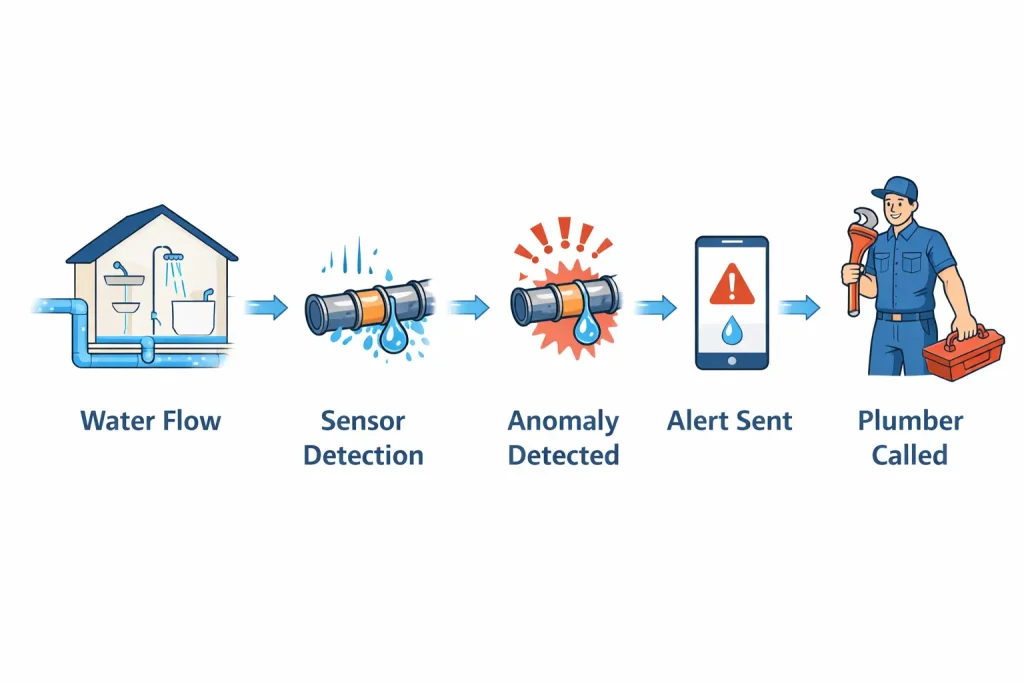
Real-Time Water Monitoring vs Traditional Leak Detection
Both real-time water monitoring and traditional leak detection play important roles in maintaining a healthy plumbing system. The key difference lies in how and when each approach identifies problems.
| Real-Time Water Monitoring | Traditional Leak Detection |
| Continuously tracks water flow and pressure | Evaluates plumbing at a single point in time |
| Detects slow or developing leaks early | Identifies existing or suspected leaks |
| Alerts homeowners to abnormal activity | Requires visible signs or reported symptoms |
| Operates in the background, day and night | Performed as a scheduled service |
| Helps prevent damage before it spreads | Confirms and locates specific issues |
How they work best together:
- Real-time monitoring acts as an early warning system, identifying unusual water activity as soon as it begins.
- When an alert occurs, professional leak detection or slab leak inspection can pinpoint the exact location and cause of the issue.
- Licensed plumbers use specialized tools and experience to repair the problem safely and effectively.
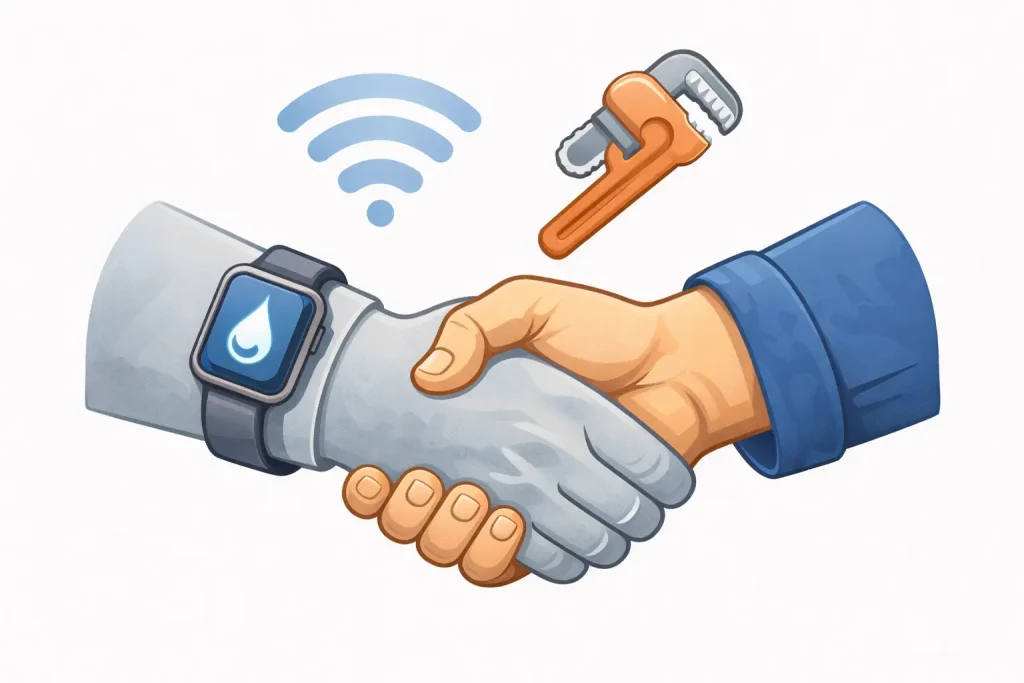
Real-time monitoring does not replace plumbers or professional inspections. Instead, it supports them by helping homeowners know when to take action. By combining continuous monitoring with expert leak detection services, homeowners gain both early awareness and accurate diagnosis—reducing the risk of unexpected plumbing damage.
Insurance, Property Protection & Long-Term Cost Control
Water damage is one of the most costly and disruptive issues homeowners face, often affecting more than just plumbing. Even a small, undetected leak can lead to damaged flooring, weakened structural materials, and long-term moisture problems if left unaddressed.
How early detection protects your property:
- Preventing large-scale water damage by identifying leaks before water spreads into walls, floors, or foundations
- Reducing insurance claim severity through quicker response and limited exposure
- Protecting property value by avoiding repairs that can impact resale or long-term structural integrity
- Lowering the risk of mold growth caused by prolonged moisture in hidden areas
Real-time water monitoring supports long-term cost control by shortening the amount of time water is able to escape from the plumbing system. Faster awareness allows homeowners to take corrective action early, often limiting repairs to the plumbing issue itself rather than extensive restoration work.
By helping prevent major damage events, monitoring contributes to a more stable and predictable approach to home maintenance—one that prioritizes protection, preservation, and long-term peace of mind rather than reactive, high-cost repairs.
Combining Real-Time Monitoring With Professional Plumbing Expertise
Real-time water monitoring provides valuable insight into how a plumbing system is performing, but technology alone cannot resolve underlying issues. Monitoring helps identify when something is wrong, while professional plumbers determine why it’s happening and how to fix it properly.
When a monitoring system detects unusual water flow or pressure changes, a licensed plumber can investigate the root cause. This may involve inspecting pipes, checking fittings, or performing targeted leak detection to confirm the source of the problem and prevent further damage.
Local plumbing expertise plays an important role in this process. Plumbing systems in coastal areas face different challenges than those in mountain communities, where soil movement, long supply lines, and higher rainfall are common. A plumber familiar with local conditions can interpret monitoring alerts more accurately and recommend appropriate solutions based on the home’s environment.
Ongoing inspections following alerts help ensure repairs are effective and that no additional issues are developing. By combining continuous monitoring with professional plumbing support, homeowners gain both early awareness and reliable resolution—creating a balanced approach to long-term plumbing protection without relying solely on emergency repairs.
Service Area Coverage Across Santa Cruz County
Anytime Plumbing proudly serves homeowners and property managers throughout Santa Cruz County, providing reliable plumbing support across both coastal and mountain communities. Our service coverage includes Santa Cruz, Live Oak, Capitola, Soquel, Aptos, La Selva Beach, and Watsonville, where older infrastructure, coastal moisture, and seasonal storms often place added stress on plumbing systems.
We also work extensively in redwood and mountain areas such as Ben Lomond, Boulder Creek, Bonny Doon, Felton, Scotts Valley, and Aromas, where long underground lines, higher rainfall, and difficult terrain make early leak detection especially important.
By serving the entire county, Anytime Plumbing brings local experience to every job—whether it involves coastal sewer concerns, mountain supply lines, or routine inspections. This broad coverage allows us to respond quickly and provide plumbing solutions that are informed by the specific conditions of each community we serve.
Preventing Plumbing Disasters Starts With Early Awareness
Most plumbing disasters don’t begin with sudden failures—they start as small, hidden issues that grow over time. A slow leak, a minor pressure change, or continuous water flow can quietly cause damage long before any visible signs appear. Without early awareness, these problems often surface only after repairs become more complex and costly.
Real-time water monitoring helps shift plumbing care from reactive to proactive. By providing early insight into how water is moving through a home, monitoring allows homeowners to address concerns before they escalate into emergencies. This approach is especially valuable during the winter months, when heavy rain, saturated soil, and colder temperatures place additional stress on plumbing systems across Santa Cruz County.
Thinking ahead and staying informed can make a meaningful difference in protecting a home. Whether preparing for storm season or managing an older plumbing system, early detection and professional support help reduce risk, protect property, and maintain long-term peace of mind.
Frequently Asked Questions
Yes. Prolonged rain can saturate soil and cause ground movement, which places added stress on underground pipes and sewer laterals. Small shifts can loosen joints or create cracks that lead to leaks over time.
Mountain properties often rely on long underground supply lines and are built on sloped terrain where soil movement is more common. Leaks may occur far from the home and remain unnoticed until pressure drops or damage becomes more severe.
Smart water monitoring devices track water flow and pressure throughout a home’s plumbing system. When unusual activity appears, the system sends alerts so homeowners can respond quickly. Early detection helps stop leaks or frozen pipe problems before major damage occurs.