831-431-6593
Get an estimate
Serving Santa Cruz County:

Most homeowners don’t think about their water heater until it stops working—but understanding its lifespan can help you avoid sudden breakdowns and costly water damage. Every system has a limited service life, and factors like water quality, usage, and maintenance can make a big difference in how long it lasts. In coastal regions such as Santa Cruz, Watsonville, Aptos, Scotts Valley, Capitola, and Soquel, environmental conditions like humidity and mineral content can also impact performance over time. Knowing when to inspect, maintain, or replace your unit can save energy, prevent leaks, and ensure a consistent supply of hot water. Let’s take a closer look at how long different types of water heaters last—and how to make yours last longer.
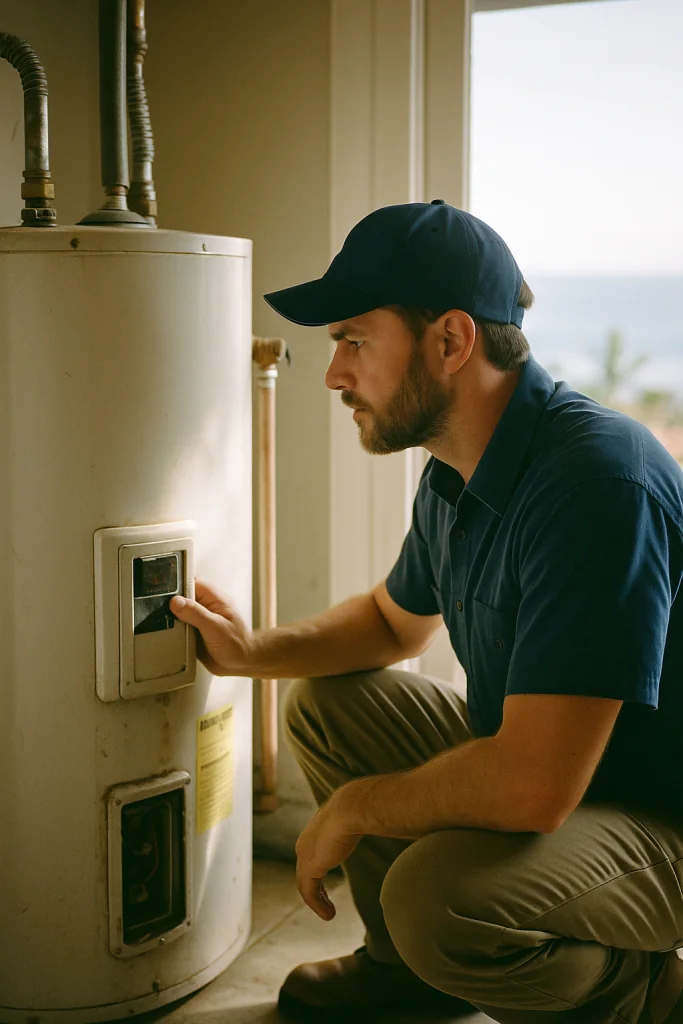
Every type of water heater has a different expected lifespan, depending on its design, fuel source, and maintenance routine. In general, most units last between 8 and 20 years—but the exact number can vary based on how well the system is cared for and the local environment. Below is a quick look at how long different water heaters typically last in Santa Cruz County homes:
| Type | Average Lifespan | Notes |
| Gas Water Heater | 8–12 years | Efficient but prone to corrosion and sediment buildup. |
| Electric Water Heater | 10–15 years | Fewer moving parts and less combustion wear. |
| Tankless (On-Demand) | 15–20 years | Longest lifespan when regularly descaled. |
| Hybrid / Heat Pump | 13–15 years | Energy-efficient but needs periodic coil cleaning. |
| Solar Water Heater | 15–20 years | Collectors last longer; storage tanks may need earlier replacement. |
In areas like Watsonville and Soquel, harder water can reduce these averages by a few years if heaters aren’t flushed or descaled annually. Regular maintenance and professional inspection help offset coastal humidity and mineral buildup, extending the useful life of your water heater in Santa Cruz County.
Several factors influence how long a water heater lasts, from installation quality to daily use and environmental conditions. In Santa Cruz County, where homes are often near the coast or use well water, these factors play an even greater role in determining the system’s longevity.
Water Quality:
Hard water is one of the biggest culprits behind early water heater failure. In coastal cities like Capitola and Aptos, mineral deposits from hard water collect at the bottom of tanks and heat exchangers, reducing efficiency and causing corrosion.
Installation Quality:
Proper venting, pipe fittings, and temperature regulation are key to preventing overheating and leaks. A poorly installed system may fail years sooner than one set up by a licensed professional.
Usage Volume:
Households with larger families or high hot water demand, such as in Watsonville or Scotts Valley, can wear out components faster due to constant cycling.
Maintenance Frequency:
Routine maintenance — including annual flushing, descaling, and anode rod replacement — keeps systems running efficiently and extends lifespan.
Climate & Humidity:
Coastal air in Santa Cruz accelerates corrosion, especially for gas and hybrid models.
Humidity near the coast and well water in rural areas like Bonny Doon can affect how long water heaters last.
Living close to the ocean brings unique challenges for homeowners in Santa Cruz County. Salt air and moisture can corrode tanks, fittings, and venting components, especially in homes near the coast. Over time, this exposure can shorten a water heater’s service life by several years.
To counteract these effects, homeowners should install their systems in protected or enclosed areas, use corrosion-resistant venting materials, and schedule annual inspections to check for early signs of rust. Our team helps coastal homeowners across Santa Cruz, Capitola, and Aptos safeguard their water heaters through preventive maintenance and corrosion control — ensuring long-term performance despite the challenging coastal climate.
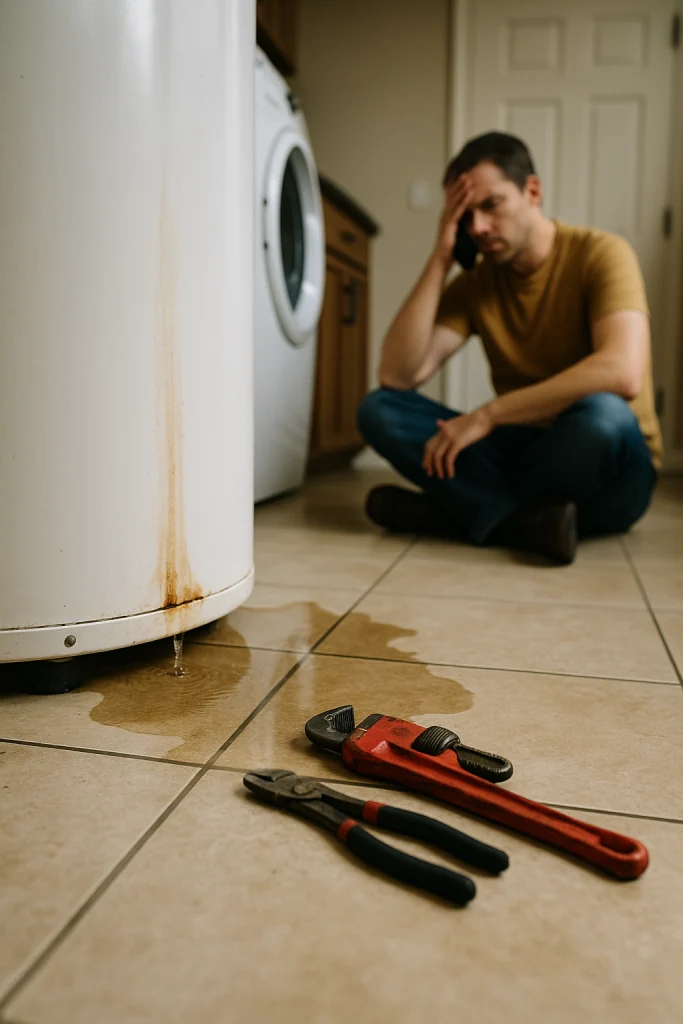
Even the best-maintained water heater won’t last forever. Recognizing the early warning signs of failure can help you plan a timely replacement and avoid sudden leaks, costly repairs, or loss of hot water when you need it most.
Homeowners in Scotts Valley and Watsonville often choose to replace their units before a complete failure to prevent water damage, especially in basements or garages where leaks can go unnoticed. Scheduling a professional inspection ensures your new system is energy-efficient, properly installed, and ready for years of reliable service across Santa Cruz County.
With regular care, you can significantly extend the lifespan of your water heater and keep it running efficiently for many years. Simple maintenance steps, when done consistently, prevent corrosion, improve performance, and reduce the risk of costly breakdowns.
Annual Flush:
Flushing your tank once a year removes built-up sediment that can cause overheating and reduce efficiency. This is especially important in areas with mineral-rich water like Watsonville and Soquel, where sediment accumulates faster.
Anode Rod Replacement:
The anode rod protects the tank from rust by attracting corrosive elements in the water. It should be inspected every 2–3 years and replaced when worn to prevent internal corrosion and leaks.
Water Softening:
Installing a water softener or anti-scale system can reduce mineral buildup in hard-water regions, such as Aptos and Capitola, improving both water quality and system longevity.
Thermostat Adjustment:
Set your water heater’s thermostat to about 120°F. This temperature prevents overheating, saves energy, and minimizes stress on heating elements.
Professional Check-Ups:
Scheduling an annual inspection ensures that pressure valves, vents, and electrical components remain in good condition. Our licensed plumbers can detect early signs of wear before they lead to major issues.
Anytime Plumbing offers annual water heater maintenance services across Santa Cruz, Aptos, and Capitola to help homeowners extend their system’s lifespan, improve efficiency, and avoid unexpected failures.
If your current water heater is nearing the end of its lifespan, upgrading to a newer, more efficient model can deliver better performance, lower energy costs, and a longer service life. Modern systems such as tankless, hybrid, and solar water heaters are designed to last up to two decades while using far less energy than older storage-tank models.
Tankless Water Heaters:
Tankless—or on-demand—units heat water only when needed, eliminating standby energy loss and offering up to 20 years of reliable service. They’re ideal for smaller homes or families looking to save space and energy.
Hybrid Water Heaters:
Hybrid or heat pump water heaters use surrounding air to heat water, making them incredibly efficient. With proper maintenance, many units last 13–15 years while cutting energy consumption by nearly half compared to standard electric tanks.
Solar Water Heaters:
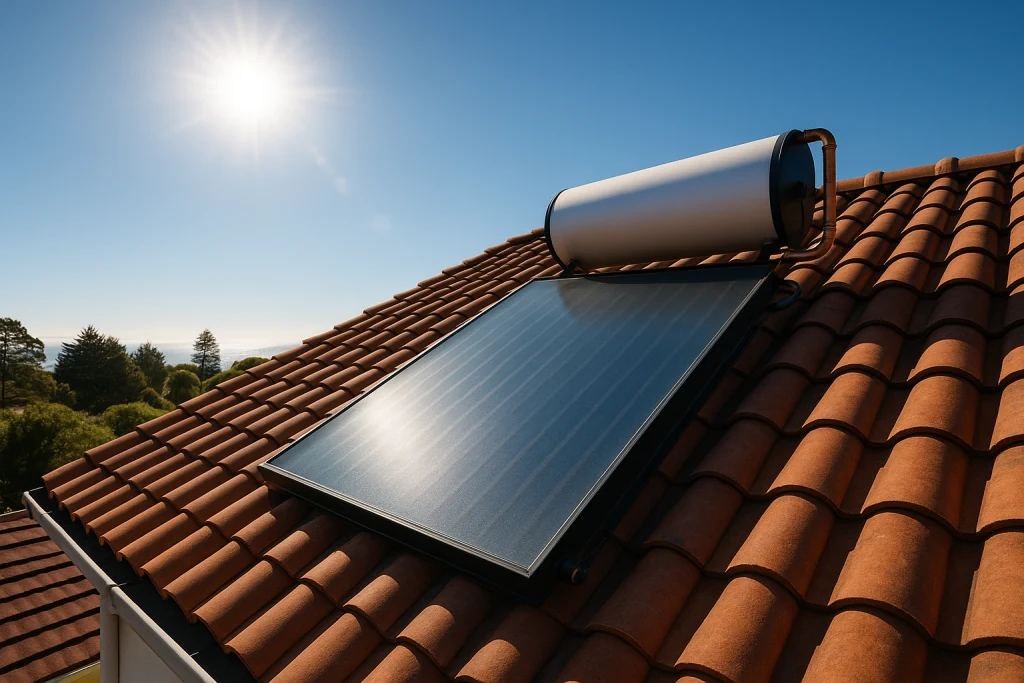
Solar systems are a great fit for Santa Cruz County’s sunny climate, providing free energy from the sun and lasting 15–20 years with minimal upkeep.
Although these systems require a higher upfront investment, the savings on energy bills and reduced maintenance costs make them well worth it. Santa Cruz County homeowners may also qualify for rebates and incentives through California’s energy efficiency programs, further offsetting installation costs.
Upgrading to a tankless model in energy-conscious areas like Aptos and Capitola can cut monthly energy bills by up to 30%, making it both an eco-friendly and financially smart choice for long-term comfort and reliability.
Aging or inefficient water heaters don’t just waste energy — they can fail unexpectedly, leading to costly leaks or property damage. That’s why homeowners across Santa Cruz County trust Anytime Plumbing for complete water heater inspection and replacement services.
Our licensed and insured plumbers handle every aspect of your system’s care — from installation and routine inspections to repairs and full replacements. We work with all types of water heaters, including gas, electric, tankless, hybrid, and solar models.
Transparency and reliability are at the heart of our service. You’ll receive upfront pricing, detailed system evaluations, and clear recommendations before any work begins. Our team is available for same-day service and emergency repairs, ensuring you never go long without hot water.
We proudly serve Santa Cruz, Watsonville, Aptos, Scotts Valley, Capitola, and Soquel, as well as nearby communities such as Aromas, Felton, Bonny Doon, Boulder Creek, and Ben Lomond.
Call (831) 431-6593 or request a quote online for a professional water heater inspection or replacement anywhere in Santa Cruz County.
You may notice less hot water, inconsistent temperatures, strange noises like popping or banging, rusty water, or leaks around the tank. These are signs your water heater may need repair or replacement soon. Regular maintenance can help catch problems early.
Most water heaters last 8–15 years, depending on the type, water quality, and regular maintenance.
A tankless water heater can last up to 20 years with proper descaling and care.
Electric water heaters often last longer because they have fewer parts and no combustion.
Flush the tank yearly, check the anode rod, and maintain proper water pressure.
Replace it after 10 years or sooner if you notice leaks, rust, or inconsistent hot water.
A water heater’s warranty can give a good idea of its expected lifespan since manufacturers usually base coverage on average durability. A longer warranty often indicates higher-quality components, while shorter warranties may reflect more frequent maintenance needs or earlier replacement expectations.
Most water heaters start showing signs of aging around 8–12 years. Common indicators include inconsistent water temperature, unusual noises like rumbling or popping, leaks around the tank, or rusty water from your faucets. Catching these early can prevent sudden breakdowns.
Constantly changing the temperature setting can place extra strain on the heating components. Sudden adjustments force the system to heat water more aggressively, which increases wear. Keeping the temperature set at a consistent level helps the heater operate more smoothly and last longer.

Get a no obligation, consultation by giving us a call today. Or fill out our form and we'll get back to you in email.
© 2020 ANYTIME PLUMBING, INC. - ALL RIGHTS RESERVED.