831-431-6593
Get an estimate
Serving Santa Cruz County:

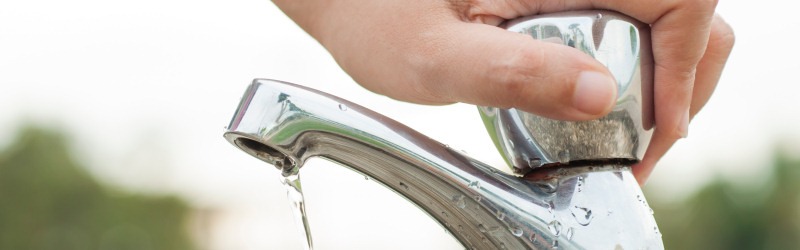
Low water pressure is perhaps one of our biggest pet peeves, especially when we experience it at our homes. Whether you’re washing dishes, taking a shower, or trying to hose something off outside, when pressure is an issue, it can be completely frustrating. The lack of exertion being released will make anything you’re trying to do take much longer than it should.
If your home is situated in a neighborhood, you may experience low flow due to the increased usage of the main supply at that time. If all homes nearby try to draw water at the same time, the exertion of your supply decreases momentarily.
Older pipes may be made out of galvanized steel which will eventually lead to corrosion. This corrosion will build up over time, causing for a blockage.
If your pipes are made of lead or plastic, you may have lower flow due to deformities in the system. These deformities happen when the soft material used to make the pipes is squished or damaged in some way, causing water to slowly get through.
Your shut off valve to the main supply may be damaged. This valve is also referred to as the stopcock. If this piece experiences harm, it could cut off your supply or cause it to have less exertion. In less extreme cases, you may get lucky and find that the valve was never fully opened.
Over winter months, it isn’t uncommon for your pipes to freeze. Freezing can lead to serious damage and plumbing concerns. For example, if a pipe freezes over, it will likely corrode and form a leak. Any leaks in your plumbing will hinder your flow.
If your home’s plumbing isn’t designed and laid out according to standard, it could cause for low exertion. The more entangled or vertical your drains are the less exertion you’ll receive.
If you notice that your water pressure has been consistently lower than normal, contact a local plumber to schedule an inspection. They’ll pinpoint the area or areas of concern and provide you with the information you seek as well as the plumbing services they recommend as a solution to the issue.
Water pressure can fluctuate depending on demand in your area. During peak usage hours like mornings or evenings more households are using water, which can temporarily lower pressure in your home. Other factors may include shared municipal water lines, partially closed valves, or issues with your pressure regulator. A plumber can check your system to ensure everything is functioning correctly and suggest solutions to maintain consistent pressure.
A malfunctioning pressure regulator can limit water flow throughout your home. Regulators wear out over time or get clogged, causing uneven pressure. Inspecting, adjusting, or replacing the regulator usually restores proper water flow and prevents future pressure fluctuations.
Mineral buildup inside faucet aerators or showerheads can restrict water flow and make pressure feel weak. Cleaning or replacing these fixtures often restores normal pressure. Regular maintenance prevents buildup from becoming severe and helps keep water flowing smoothly throughout your home.
Low water pressure often results from clogged or corroded pipes, hidden leaks, or a malfunctioning pressure regulator. Mineral buildup, partially closed valves, or problems with the municipal water supply can also restrict water flow to fixtures.

Get a no obligation, consultation by giving us a call today. Or fill out our form and we'll get back to you in email.
© 2020 ANYTIME PLUMBING, INC. - ALL RIGHTS RESERVED.