831-431-6593
Get an estimate
Serving Santa Cruz County:


Water is one of our most valuable resources, yet many of us take it for granted until there’s a problem. Whether it’s leaky faucets or soaking up the sun in Santa Cruz, every drop counts in conserving this precious resource. Luckily, saving water doesn’t have to mean sacrificing your home’s plumbing. By making small adjustments around the house and adopting mindful habits, you can protect both the environment and your plumbing system. In this article, we’ll explore practical tips to help you save water efficiently, ensuring that your plumbing stays healthy while also contributing to a sustainable future.
To save water without damaging your plumbing in Santa Cruz, consider installing low-flow fixtures, regularly checking for leaks, and incorporating graywater systems for irrigation. Additionally, routine maintenance, such as drain cleaning, can help prevent clogs and ensure your plumbing operates efficiently while conserving water.
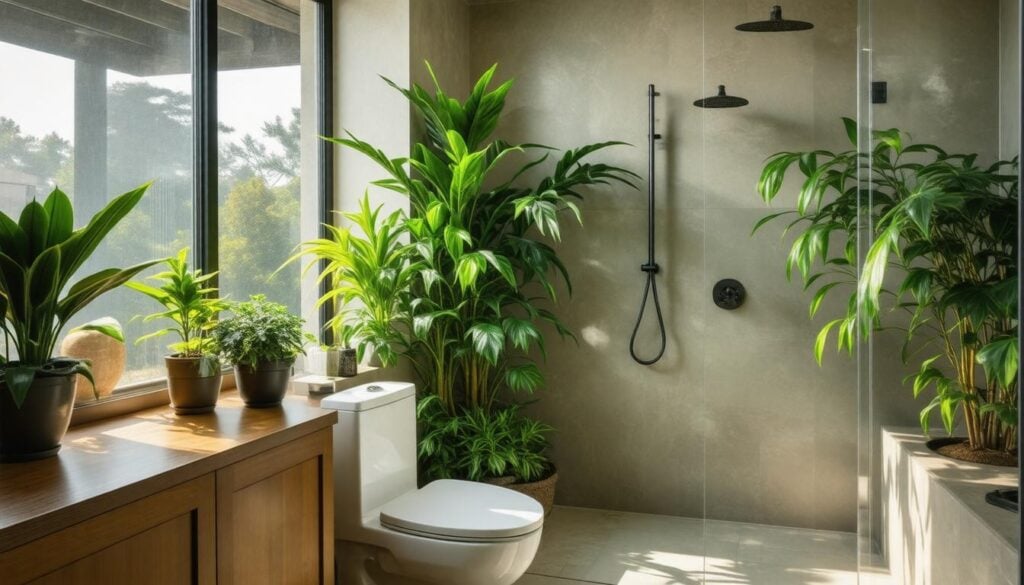
In a region like Santa Cruz, where water scarcity is a pressing concern, implementing water-saving strategies can make a significant difference. A simple habit many can adopt is to limit the duration of showers. By reducing your shower time, you save roughly 2.5 gallons of water per minute. Imagine cutting down a typical 10-minute shower to just five minutes; that’s potential savings of 25 gallons every single day! This small change has a double benefit: conserving water and also saving on energy costs associated with heating water.
To complement this practice, consider installing a low-flow showerhead, which usually consumes about 2 gallons per minute. These fixtures are designed to maximize pressure while minimizing water use, making your showers not only more environmentally friendly but also pleasant experiences.
Another effective way to conserve water without damaging your plumbing is through greywater recycling. Collecting greywater from sinks and showers to reuse in gardens effectively recycles precious resources. Just position a bucket in your shower to catch excess water while you’re waiting for it to warm up or reroute sink drainage to irrigate your plants. It’s an efficient method that lessens outdoor water demands and nurtures your garden at the same time.
Beyond personal habits, engaging in preventative measures toward plumbing maintenance can yield significant results. Regular inspections help detect potential leaks before they become larger issues, consuming more water than necessary. Additionally, encourage the installation of drought-resistant landscaping and low-water-use plants around your home; not only does this decrease dependence on local water supplies, but it can also minimize the need for frequent watering.
Each of these eco-friendly tips leverages both personal responsibility and practical action steps aimed at broader sustainability efforts.
Keep in mind that even when striving for conservation, the health of your plumbing should never be compromised. Using vinegar and baking soda as natural drain cleaners can be an excellent alternative to harsh chemicals that might corrode plumbing over time. Not only do these ingredients work wonders for unclogging drains, but they are also safe for both your pipes and the environment.
Lastly, being mindful of how you dispose of waste is essential; products like wet wipes or other non-biodegradable items can wreak havoc on your plumbing system. Opting for compostable options reduces both waste and risks to plumbing integrity.
As we explore these sustainable practices further, understanding how to address leaks will be crucial for maintaining both efficiency and plumbing health moving forward.
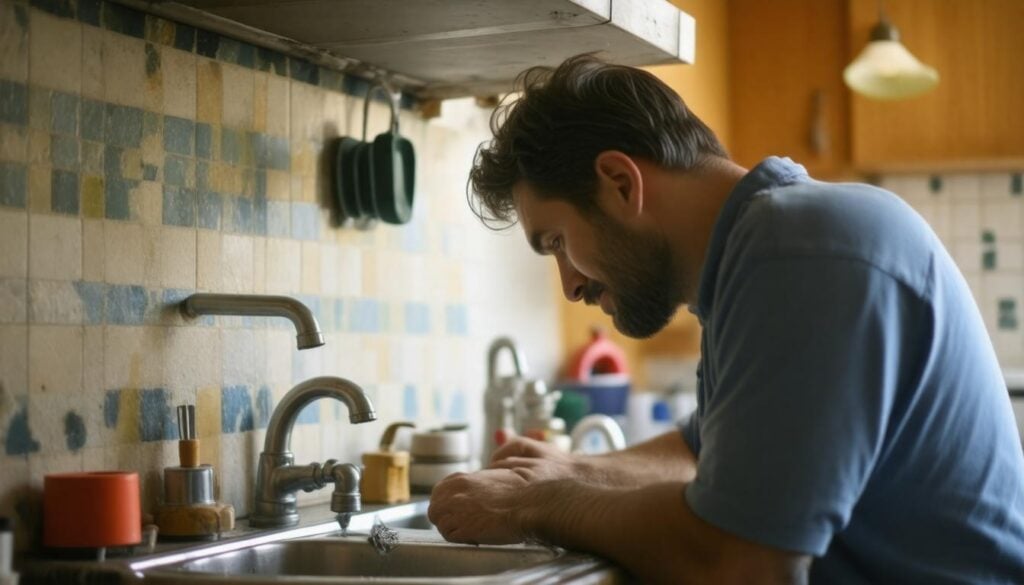
One of the most common yet annoying issues that homeowners face is leaks. Not only do they waste precious water, but they can also escalate into major repairs if left unchecked. Whether it’s a dripping faucet or a running toilet, addressing these problems early saves you both money and effort down the road. Think of it this way: just like we perform routine checkups for our health, your home deserves similar attention regarding plumbing.
The Environmental Protection Agency (EPA) estimates that household leaks waste nearly 1 trillion gallons of water annually in the U.S. That’s equivalent to the annual water use of over 11 million homes! This staggering number underscores why it’s critical to stay vigilant about potential leaks.
The first step in successful leak repair is knowing where to look. Common leak areas include faucets, showerheads, and toilets—these are often culprits behind annoying drips that may distract you or lead to higher water bills. Something as simple as a dripping faucet can waste over 3,000 gallons a year! Imagine what could happen if a larger pipe were leaking unnoticed.
When you suspect an issue, indicate it with your water meter! Check your meter before and after a two-hour window of not using any water; if it has moved during that time, then you’ve got a leak somewhere.
Once you identify the problem area, it’s time to grab some tools and tackle the leak yourself. For faucet and showerhead leaks, consider using plumber’s tape to create a tighter seal at the joints. However, for more persistent leaks or areas outside your comfort zone, calling in a professional plumber is often the best course of action.
Here’s a handy reference that details different common problems you might encounter:
| Problem | Solution | Tools Needed |
|---|---|---|
| Dripping Faucet | Replace washer or O-ring | Wrench, Plumber’s Tape |
| Running Toilet | Replace flapper | Flapper kit |
| Leaky Pipe | Apply epoxy putty | Epoxy putty, Pipe clamp |
With a little precaution, most minor leaks can be fixed without major effort or expense. As we explore further, it’s vital to consider another aspect of water savings.
One of the simplest yet most effective methods to conserve outdoor water usage is through irrigation systems designed specifically for efficiency. Drip irrigation, for instance, stands out by delivering water directly to the root zones of plants, minimizing evaporation and runoff.
Picture this: instead of watering your entire garden indiscriminately, a drip system channels moisture right where it’s needed most, like a precise surgeon ensuring every droplet counts. This technology not only reduces water waste but can also lead to healthier plants because they receive consistent hydration.
Instead of relying on traditional sprinkler systems—which often spray water where it isn’t needed—consider adopting timed irrigation systems. These automated solutions allow homeowners to program watering times based on weather conditions, ensuring that gardens receive appropriate care without overdosing on moisture.
This method essentially gives peace of mind; you can set it and forget it, knowing that you’re actively conserving water without sacrificing the health of your plants.
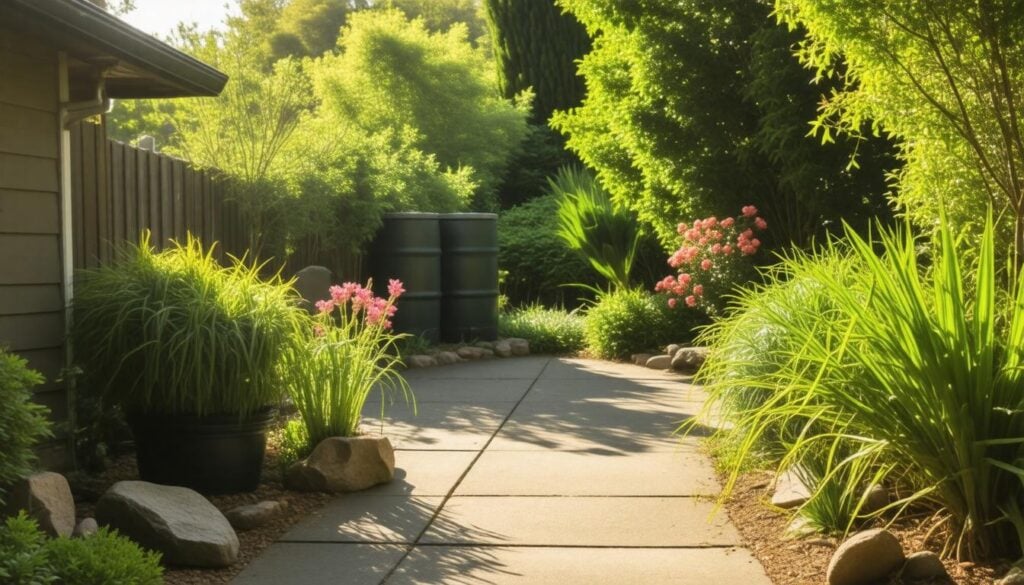
Many residents in Santa Cruz have made the transition to drought-resistant native plants, which naturally thrive with less water and complement local ecosystems beautifully. I’ve observed this shift firsthand in neighborhoods filled with vibrant landscapes that require minimal upkeep.
These plants, designed by nature herself to handle Santa Cruz’s unique climate, not only save water but provide habitats for local wildlife as well.
Additionally, installing rain barrels can capture and store rainwater for garden use. This practice is a win-win: it reduces stormwater runoff while providing free water for any dry spells that might come your way. Imagine looking out at your flourishing garden, knowing that you’re effectively utilizing nature’s resources.
Another strategy worth considering is proper mulching around your plants. A thick layer of mulch not only helps retain soil moisture but also minimizes the need for frequent watering. By slowing down evaporation and regulating soil temperature, mulch acts like a cozy blanket for plants during hot days, thus reducing overall water requirements.
As we reflect on these efficient practices, the focus shifts towards enhancements that can further elevate our conservation efforts through innovative fixtures and appliances designed for optimal water savings.
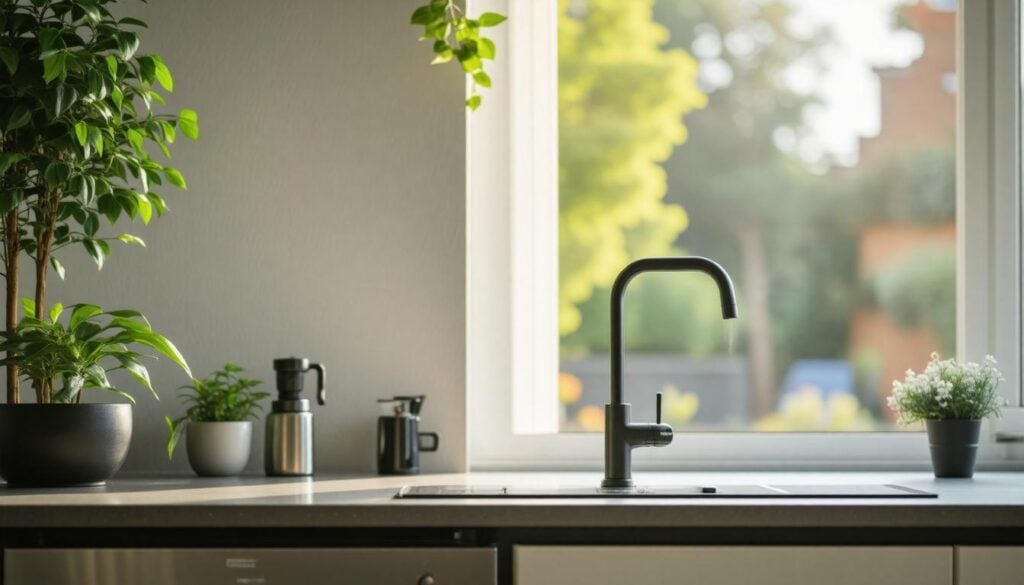
Swapping out old fixtures and appliances for water-efficient alternatives is one of the easiest and most effective ways to conserve water while ensuring your plumbing system remains intact. The Environmental Protection Agency (EPA) highlights that faucets labeled with WaterSense can reduce a sink’s water flow by up to 30%. Imagine reducing your daily water usage without sacrificing performance; this is precisely what these modern fixtures offer.
Take low-flow toilets, for example: They typically use only 1.28 gallons per flush compared to older models that can waste up to 6 gallons. This efficiency not only saves water but also minimizes wear and tear on your plumbing, meaning fewer repairs down the line.
One of the best places to start is by replacing your showerheads. Low-flow showerheads are designed to cut water consumption significantly—from 2.5 gallons per minute down to an impressive 2 gallons—while maintaining a strong, invigorating spray. What does this mean for you? It translates to dozens of dollars saved each year just from showering! Plus, these fixtures are easy to install, making it a no-brainer for both renters and homeowners alike.
Another critical upgrade lies within your laundry machine. High-efficiency washing machines are game-changers, using around 15 gallons per load instead of the 23 gallons required by traditional washers. Not only do they save water, but they also often clean clothes more effectively while using less energy, leading to lower electricity bills. These eco-friendly machines come with additional features such as sensors that adjust cycle settings based on load size, further maximizing their efficiency.
By investing in these efficient models, you’re setting yourself up for long-term savings while proactively protecting your plumbing infrastructure against the harmful effects of excessive waste and pressure build-up.
Before making any upgrades, assess your household’s specific needs and consult with a licensed plumber if you’re unsure which models would best suit your plumbing system. A local expert can provide tailored recommendations considering factors such as water quality, pressure issues, and compatibility with existing systems.
Incorporating eco-friendly practices into your daily routines alongside these upgrades is equally important. Simple actions like turning off the tap while brushing teeth or collecting excess water from rinsing vegetables for use in plants can create cumulative benefits that further protect our precious resources.
With a commitment to upgrading fixtures and integrating smart water-saving habits into everyday life, you’ll not only save money but also contribute positively toward our environment. This proactive approach paves the way for exploring community-driven efforts aimed at sustainable resource management.
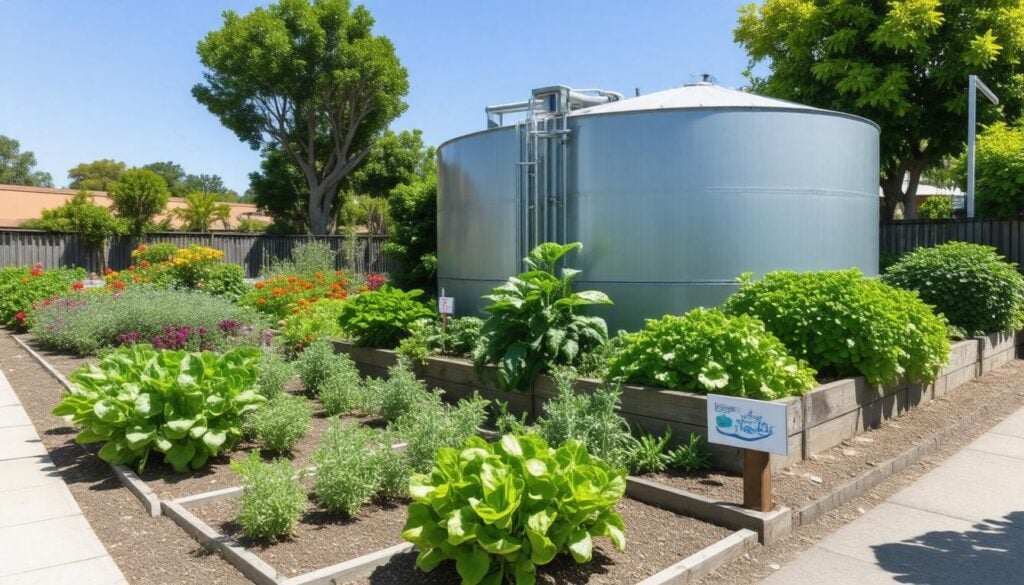
The City of Santa Cruz provides a variety of programs focused on water conservation, making it easier for households to save water and reduce expenses. These initiatives are not just beneficial for the environment; they also help you keep more money in your pocket. One popular program is the rebate system for installing water-efficient appliances. Homeowners can receive financial incentives for choosing low-flow toilets, washing machines, and irrigation systems that use less water while still performing effectively.
As one resident shared, participating in this rebate program resulted in significant savings on their annual water bill, particularly after upgrading to a high-efficiency toilet.
Beyond rebates, the city offers free water-saving kits that include devices designed to minimize water consumption, such as faucet aerators and showerhead retrofits. These kits serve as a simple way for residents to implement changes without incurring additional costs. Not only do these adjustments conserve water, but they often go unnoticed—meaning households can save without sacrificing comfort or convenience.
To make the most of these opportunities, it’s wise to routinely check the City of Santa Cruz Water Department’s website. There, current programs and eligibility requirements are clearly outlined, ensuring that you remain informed about any new options that may become available.
Additionally, local plumbing companies like Anytime Plumbing Inc. can provide guidance on installing eco-friendly plumbing solutions and inform you about additional resources that support water conservation efforts within your community. We regularly help homeowners in coastal areas like Rio Del Mar and Seascape choose upgrades that reduce water use without creating pressure issues or stressing older plumbing systems. We are well-versed in the latest advancements in plumbing technology aimed at promoting sustainability.
Participating in these initiatives can significantly enhance your home’s efficiency while contributing to broader environmental goals. This seamless blend of conservation and plumbing strategy helps maintain both effectiveness and eco-friendliness. Let’s examine how we ensure that conservation efforts do not compromise plumbing integrity.
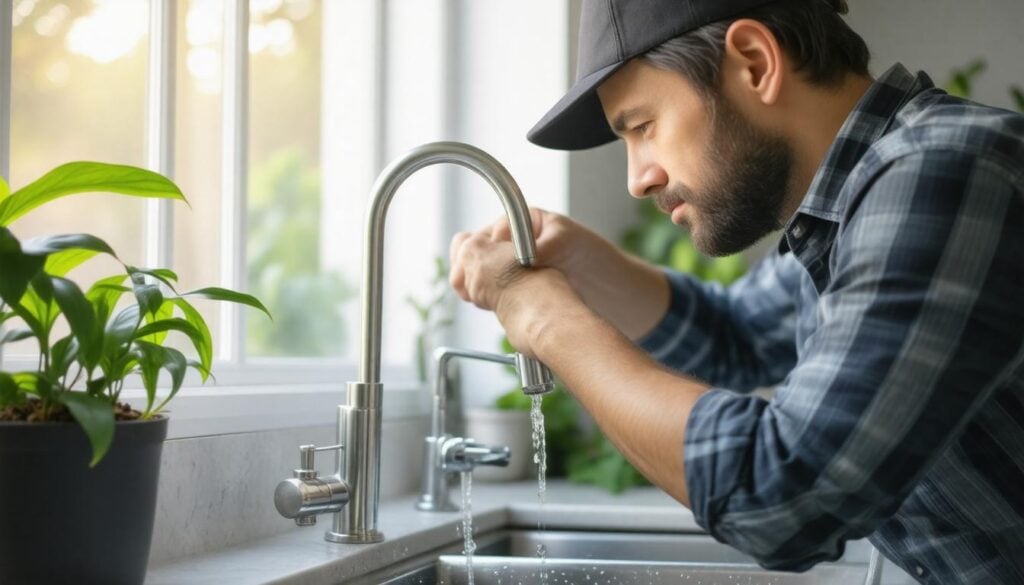
Conserving water has become a high priority, especially as we navigate periods of drought and embrace eco-friendly practices. However, the challenge lies in ensuring that these efforts do not inadvertently harm your plumbing systems. It’s crucial to employ strategies that maintain the functionality of your plumbing while being mindful of every drop.
One effective method for balancing this is to invest in high-efficiency appliances. These devices are engineered to minimize water usage while providing robust performance. For instance, modern dishwashers and washing machines use less water per cycle compared to older models, yet they deliver enough scouring action to help prevent build-up in pipes that can lead to clogs—an issue often exacerbated by low-flow rates if not properly monitored.
Regular maintenance checks become essential for maintaining this balance. An authorized professional plumber can assess whether your low-flow fixtures are functioning optimally and recommend any necessary adjustments or repairs. At Anytime Plumbing, we prioritize preventative maintenance. Scheduling routine inspections can save homeowners from future headaches caused by unexpected clogs or plumbing emergencies.
“A stitch in time saves nine.” Taking proactive steps today means you won’t be burdened with expensive repairs tomorrow.
Speaking of plumbing issues, remember how “slow drains” can feel like they’re mocking you after you’ve made the effort to conserve? That’s what we want to avoid!
By consistently monitoring and maintaining your plumbing systems, you ensure both efficient operation and the longevity of your fixtures. You don’t just keep your home environmentally responsible; you also uphold a reliable plumbing system that works for you day in and day out.
For those who may need assistance, Anytime Plumbing is here for you. With comprehensive plumbing inspections tailored to address both efficiency and performance needs, you can rest easy knowing your plumbing is in expert hands.
At Anytime Plumbing, we’re committed to making sure your conservation efforts don’t compromise your plumbing integrity. For immediate assistance or to schedule a routine check-up, call 831-431-6593 today!
Hidden leaks can waste a surprising amount of water over time and increase your utility bills. One of the simplest ways to spot leaks is to check your water meter. Turn off all water sources in your home and monitor the meter for any movement. If the meter continues to run, there may be a hidden leak. Another method is to look for signs of water damage, such as damp spots, mold growth, or a musty smell in walls, ceilings, or under sinks. Toilets and faucets are common culprits, so listen for constant running water or dripping. Using a leak detection dye in toilet tanks or contacting a professional plumber for an inspection can help identify leaks that are not immediately visible. Detecting and fixing leaks promptly can conserve water and significantly lower your bills.
You can reduce water waste from old faucets and showerheads by installing low-flow aerators and showerheads, repairing leaks promptly, and regularly cleaning mineral buildup that affects water flow. Simple upgrades and maintenance can significantly cut water usage while maintaining good pressure and efficiency.
Absolutely. Adjusting your landscaping can make a big difference in how much water your home uses. Choosing native plants and drought-tolerant species helps them thrive with minimal watering. Replacing traditional lawns with ground covers, mulch, or decorative rocks also lowers water needs. Installing drip irrigation or soaker hoses ensures water reaches the roots directly, reducing waste from evaporation or runoff. By planning your garden around plants that naturally require less water, you can save a significant amount each month while keeping your outdoor spaces healthy and attractive.
Installing low flow showerheads, efficient toilets, and faucet aerators can significantly lower water use without affecting daily comfort. Regularly checking for leaks and updating older fixtures also helps households conserve water and lower monthly utility costs.

Get a no obligation, consultation by giving us a call today. Or fill out our form and we'll get back to you in email.
© 2020 ANYTIME PLUMBING, INC. - ALL RIGHTS RESERVED.